Trade unions are demanding a greater role in parliamentary workplace oversight visits, saying their involvement is crucial as parliamentarians uncover widespread labour law violations across the country.
Mineworkers Union of Namibia general secretary George Ampweya on Wednesday said unions have welcomed parliament’s efforts to engage workers directly, but questioned their exclusion from the process.
“They are making unions look useless because what is the point of having unions if parliamentarians are now duplicating our work? We are supposed to be present at those consultations as well,” he said.
Ampweya said many of the concerns raised during the visits were issues unions had repeatedly raised with legislators.
He said parliament should focus on legislation and policy, while unions represent workers and address workplace disputes.
“Parliament’s role is not to assume or absorb the functions of organised labour,” he said.
Ampweya called on parliamentary standing committees to involve recognised unions during oversight visits in sectors where they operate. He also wants reports from the visits made available to unions to help them address labour issues.
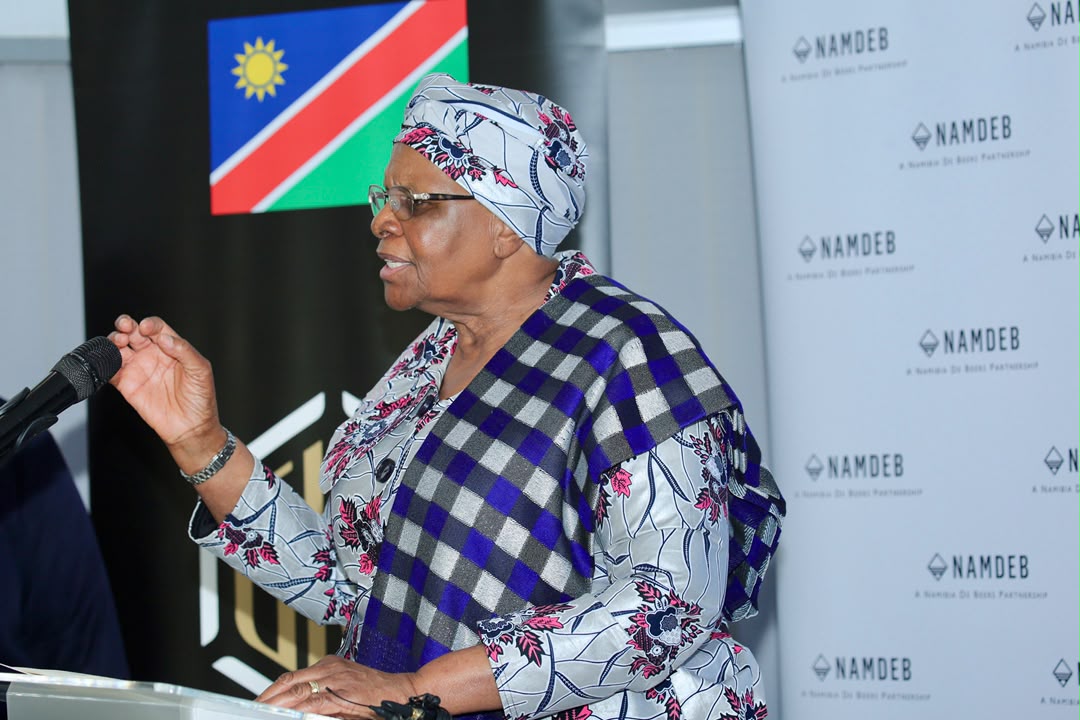
His comments follow assessments of employment conditions in the retail and wholesale sectors at Katima Mulilo by the parliamentary standing committee on poverty eradication, labour and industrial relations, chaired by Justina Jonas.
Jonas said regional leadership needed to play a bigger role in addressing labour challenges.
“One critical aspect I think we need to urgently look at is for regional leadership, together with the employers, employees and the government, to engage and talk about labour challenges facing workers,” she said.
She said the committee had found concerns around non-compliance, which she attributed partly to ignorance of labour laws and workers’ fear of losing their jobs if they questioned their wages.
Jonas also raised concern about the shortage of labour inspectors in the region.
Zambezi labour inspector Richard Mushaukwa says about 80% of employers assessed in the region were not complying with the national minimum wage of N$18 per hour.
He says some employers also failed to pay overtime or applied incorrect rates for work performed after normal working hours and on public holidays.
Mushaukwa says limited knowledge of labour laws among employers and employees was also contributing to unfair dismissals.
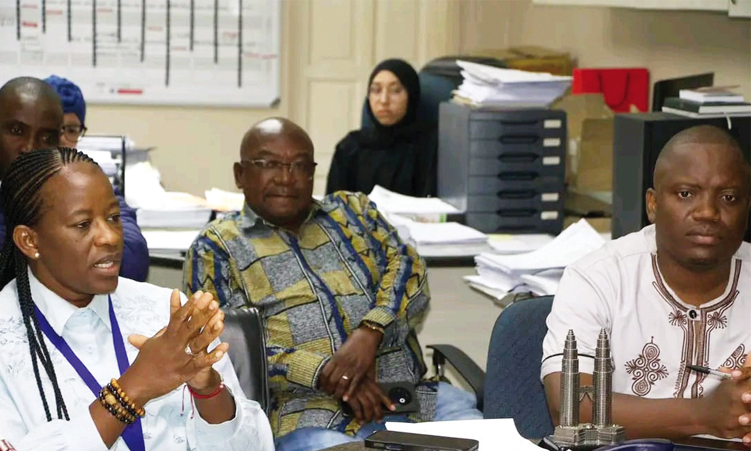
Committee member Eneas Emvula says most Chinese-owned retailers assessed in the region were not complying with labour laws.
He says the shortage of labour inspectors was worrying, with only one senior inspector operating in the region despite two vacant posts.
“This is one thing that concerns us because he is at the level of chief labour inspector and it seems he is not getting help,” Emvula says.
However, Namibia Wholesale and Retail Workers Union secretary general Victor Hamunyela rejects the suggestion that parliament was duplicating union duties.
“They are the legislature and their oversight is to investigate if the enacted laws are being carried out. Us as unions, we facilitate,” he says.
Hamunyela says his union had been invited to the consultations but could not attend because of other commitments.
He says the union had proposed meetings with political party chief whips to raise labour concerns, adding that many of the issues emerging from the parliamentary visits could have been addressed had the proposal been accepted.