




As the Namibian HIV Clinicians Society, we would like to comment on the envisaged withdrawal of the United States’ President’s Emergency Plan for AIDS Relief (Pepfar) by the end of 2027. This impacts the goal of ending the HIV epidemic, as well as one of our main tools, known as Pre-Exposure Prophylaxis (PrEP).
The announcement in 2024 that an injectable form of PrEP, Lenacapavir, had a 100% efficacy in preventing women from acquiring HIV brought hope that we could finally halt the epidemic in our southern African context. It was US government funding, through Pepfar, that sought to expand access to this drug across low and middle income countries over the course of the last two years. Namibia has not yet seen a wide roll out of this intervention, although the Medicines Regulatory Council approved it in January of this year.
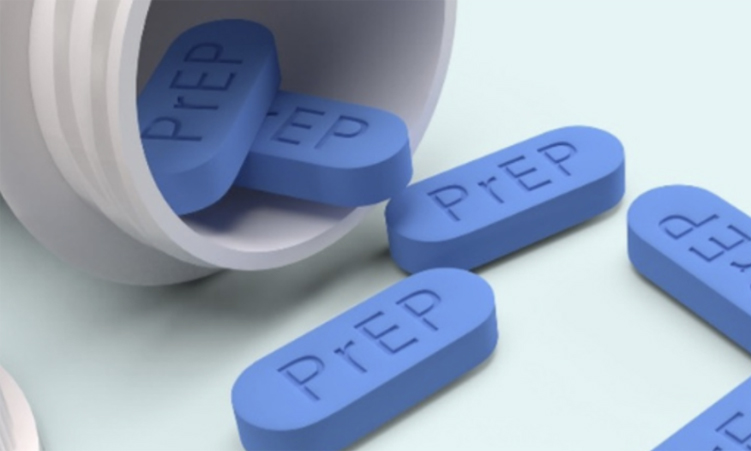
Yet we already have oral PrEP in Namibia, in a tablet from. Referred to as Truvada or oral PrEP, this drug consists of a blue tablet containing two of the three antiretroviral (ARV) medications, TDF and 3TC, that persons living with HIV take daily. Taking this blue tablet in a prescribed manner prevents persons from acquiring HIV with up to an 99% efficacy, far exceeding that of condoms, estimated at around 70-80%.
The US government funding provided a booking system to access PrEP tablets at specific appointments within the ARV clinics where people living with HIV would receive their treatment. This appointment system targeted individuals whose sexual behaviour put them at relatively higher risk of HIV acquisition, namely individuals engaging in anal sex and those who did sex work. When this service disappears, due to the end of Pepfar funding, the Namibian government needs to create a new health access strategy for PrEP.
Interest in the injectable form of PrEP, however, among women in Namibia has reached fever pitch. However, one of the challenges is the cost of the injectable drug. Lenacapavir currently costs approximately N$840 000 per year per client, at the market price.
Namibia is not party to the Access Strategy for Lenacapavir in low and middle income countries, according to the manufacturer Gilead. The US government Pepfar programme and the Global Fund for AIDS, Tuberculosis and Malaria funded this access strategy. The Global Fund, in particular, has assisted South Africa to roll out Lenacapavir, with a reduced cost of about N$1 000 per year per client.
For us to attain Lenacapavir, we would have to purchase it with domestic resources, as the government currently does with all ARVs. This would create a considerable shortfall for the Ministry of Health and Social Services, should they consider procuring it for citizens who access it through the state health facilities. For the private sector too, the cost is prohibitive for any of our medical aids to provide to approximately 17% of Namibians who had medical aid as of 2013.
Further discussions between pharmaceutical companies, the Global Fund, and our government are required to pave the way for widespread access.
Doctors and nurses, working in both state and private sectors, highlight the barriers to PrEP access, which includes informing all communities of its benefits. Also, patients who are otherwise healthy need to queue up with those who are unwell to reach a health provider who will refer them for the required tests such as an HIV test before oral PrEP is prescribed. Waiting at hospitals and health centres is a pain for a healthy individual, with widespread reports of long queues countrywide.
The private sector, in contrast, has shorter queues, but it has particular challenges regarding oral PrEP. For a general practitioner in a consulting room, prescribing oral PrEP may be time consuming as the patient needs testing and monitoring, in addition to counselling. This discourages people from accessing oral PrEP privately, as medical aid members lament ‘benefits being depleted’ by this time of the year.
The head of the now defunct USAID said to one of our members, in 2012, that the aim was to “graduate” Namibia from Pepfar. That was before PrEP joined our HIV prevention toolkit. As we prepare for graduation, let us call to mind that prevention is not just better than cure, it is also cheaper. – Rakhel Mulongeni