



Thousands of Windhoek residents rushed to butcheries across the city yesterday to buy meat after the government announced an outbreak of foot-and-mouth disease in the ||Kharas region.
The outbreak has prompted the authorities to suspend the movement, slaughter and export of cloven-hoofed animals and their products.
This has left residents of Windhoek, Stampriet, Walvis Bay and other parts of the country scrambling to buy meat.
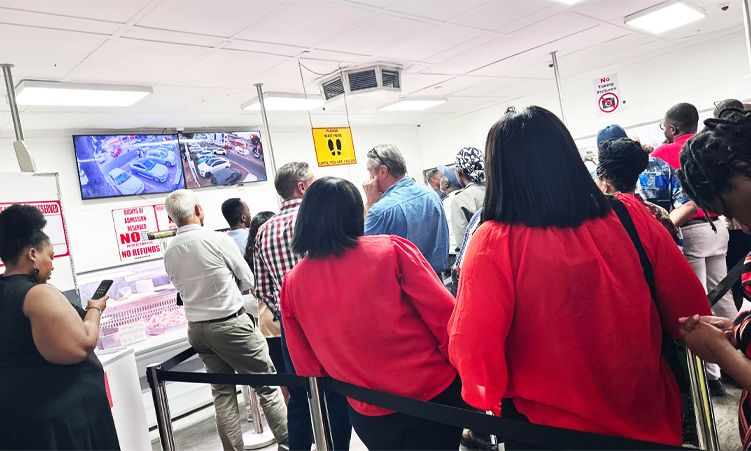
At some butcheries around the city, shelves were emptied of meat within hours, as customers started ‘panic buying’, a phenomenon closely associated with the start of the Covid-19 pandemic in 2020.
“This whole crisis feels like the Covid-19 pandemic again. The only difference is we’re scrambling for meat and we’re not prepared for the situation,” a customer waiting in line at Rand Street Butchery in Windhoek West told The Namibian yesterday.
Full carcasses were the first to run out, then mince and lamb. A security guard keeping the line in order told customers the meat is “almost done”.
The Namibian visited seven different butcheries yesterday, all showing signs of stress.
One customer who declined to be named said the suddenness of the announcement made Namibians panic.
“We don’t know how long the meat supply will be available, and we Namibians love our meat. So this is really frustrating and sends an alarming message that prices may go up.
“Suppliers might take advantage of this whole situation and raise their prices,” he said.
Another customer, who walked out of Rand Butchery with three plastic bags of meat cuts, said he had waited almost two hours to buy his meat.
By lunchtime, the line stretched out of the building and into the street.
Maria Ndevahoma, another customer at Rand street Butchery, said the situation cannot be controlled.
“If meat is not available, we will buy chicken and fish. What else can I do? I just have to stand and wait for my turn. But the government was already supported to put measures in place to make sure the situation does not escalate to this,” she said.
A Rand Street manager reached via phone declined to speak to The Namibian as he had his hands full at his shop.
OUTBREAK
Acting minister of agriculture, fisheries, water and land reform Charles Mubita announced the outbreak to the public on Wednesday.
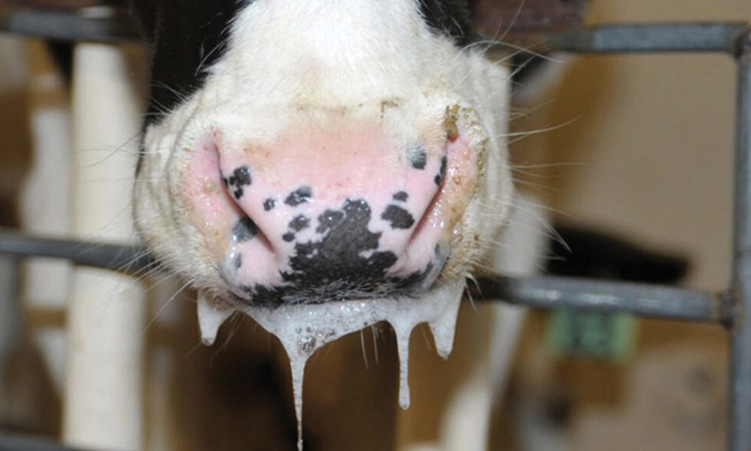
Foot-and-mouth disease (FMD) is highly infectious and affects cattle, goats, sheep, pigs and other wild animals.
Mubita said veterinary officers doing routine inspections had found 63 animals exhibiting symptoms of the disease in Namibia’s southernmost region.
The Namibian reported last month that agriculture minister Inge Zaamwani had rejected a quotation from August 26 Construction of N$179 million to build a veterinary cordon fence.
The fence would stretch 400km along the Namibia-South Africa border and prevent animals moving across borders and spreading FMD.
The project was sent to the Central Procurement Board of Namibia (CPBN) earlier this month, which invited bids for 185km of veterinary cordon fencing in the ||Kharas region.
Some 23 companies submitted bids, with China Jiangxi JV Homefin emerging as the successful bidder at about N$126 million.
The CPBN later, however, cancelled the tender, citing procurement provisions, and awarded an emergency contract worth about N$122 million to Punchu JV China State Construction, which had ranked second.
The cancellation and emergency award have now been challenged in the High Court.
The CPBN at the time said the FMD situation had deteriorated rapidly, with affected areas in South Africa moving closer to Namibia, and that further delays posed a serious risk to the country’s livestock industry and export markets.
‘GO VEGETARIAN’
Butchery customer Shishiweni Shalimba yesterday said although he does not follow news, he was told by friends about the outbreak.
“We were calling a lot of butcheries to find out if they have meat, and then I rushed out of the office to come and buy meat. The situation on the ground is really hectic,” he said.
Shalimba said Namibians would have to look for alternatives.
“Maybe we have to become vegetarians for this period or go for fish, but time will tell,” he said.
Dorado Park resident Fredrik Ganaseb said the outbreak was creating concern among the public about what could happen to businesses and livelihoods.
“So it’s a very difficult situation. We don’t know. We are panicking,” he said.
BUSINESS IMPACT
Across the city, butcheries were flooded with orders they were unable to meet.
Klein Windhoek Schlachterei at 09h00 yesterday announced on social media that the FMD restrictions would affect their deliveries.
“Our countrywide deliveries are currently delayed. We are in contact with the state veterinary authorities and will resume deliveries as soon as we receive clearance to do so.
“We apologise for the inconvenience and thank you for your patience and understanding,” the butchery said.
Eros Meat Market told The Namibian it was struggling to meet the sudden demand for meat.
The family business supplies between 80% and 85% of the meat used by lodges across Namibia, as well as hotels, guest houses and restaurants.
Nicolene Jansen van Rensburg, whose brother owns the market, yesterday said the business had been overwhelmed by orders following the announcement of the restrictions.
“We’ve been busy from early in the morning, and we just didn’t have enough meat. We didn’t have enough stock to help everyone here, outside, in the guest houses, hotels and restaurants that buy meat in bulk,” she said.
Jansen van Rensburg said the restrictions on transporting meat were also creating uncertainty for businesses supplying clients across the country.
Almors Butchery owner Allen Brampton told The Namibian his business would close with immediate effect as restrictions on the movement of livestock affect its ability to operate.
“We cannot get the permit to transport and slaughter, so what are we supposed to do?” he asked.
Brampton said customers started panic-buying meat following news of the outbreak, with people queuing at the butchery to purchase meat.
He fears the situation could have serious consequences for businesses that depend on the livestock sector.
“Some businesses are not going to survive this. This is a crisis for us,” he said.