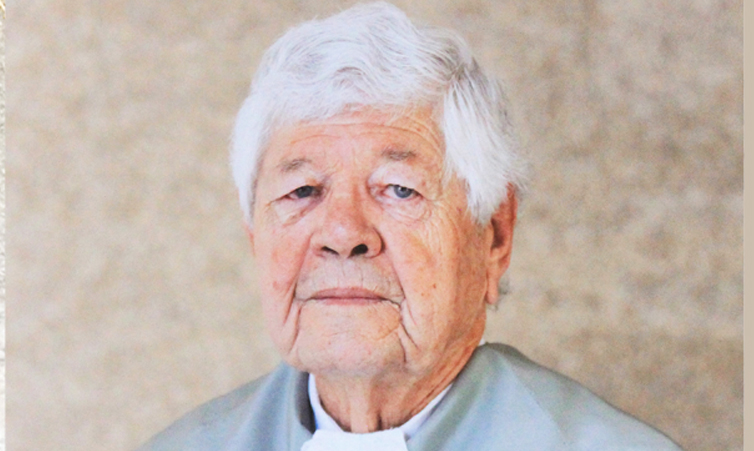
Retired chief justice Johan Strydom, who died at the age of 88 at the end of last week, provided “indispensible leadership” that helped shape and transform Namibia’s judiciary after the country’s independence in 1990.
This was said by chief justice Peter Shivute during a valedictory motion court session in honour of Strydom at the Supreme Court in Windhoek yesterday.
Strydom helped lead Namibia’s judiciary “through the most delicate years any young democracy will ever face”, when a legal system that had been built to repress had to be remade into one built to protect, Shivute said.
“There was no manual for that undertaking. There was no established precedent to lean on, no settled body of constitutional doctrine already in place,” Shivute recounted.
“There was only the Constitution, still new, still untested, and a bench of judges who had to decide, case by case, what judicial independence would actually mean in practice, for a country still learning what it meant to be free.”
That work fell substantially to Strydom, who was the first judge president of the High Court after Namibia’s independence and in 1999 was appointed as the country’s third chief justice, and a number of other judges who made notable contributions to the newly independent Namibia’s jurisprudence, Shivute remarked.
“He played a vital and, I would say, indispensable leadership role in shaping and transforming our judiciary from an instrument of a rights-repressing order into a rule-of-law-based system grounded in the independence of the judiciary,” Shivute stated.
Strydom conducted court proceedings over which he presided “with great dignity and with proper judicial decorum”, was scrupulous about the fairness of proceedings, and set an example that other members of the judiciary could absorb and carry forward, Shivute also recounted.
Speaking at the same event, attorney general Festus Mbandeka described Strydom as one of the architects of Namibia’s post-independence judiciary and as a jurist of note who was committed to the aspirations and values of Namibia’s Constitution.
“Independence brought new and unknown challenges, and justice Strydom was ready to face them all and ensure that the judiciary and the jurisprudence of this young nation would grow while keeping the integrity and values of the Namibian Constitution,” Mbandeka said.
He described Strydom as a man of calm personality, a keen listener and unassuming.
The vice chairperson of the council of the Law Society of Namibia, Janike McLeod-Janser, also described Strydom as “humble, patient, considerate and approachable”.
Strydom’s “legacy is written not only in the history of our judiciary, but also in the body of law that continues to guide our courts and our profession”, she said.
McLeod-Janser added: “For us as members of the legal profession, one of the most enduring lessons from his life of service is that the law is more than a profession; it is a calling to serve justice and society.”