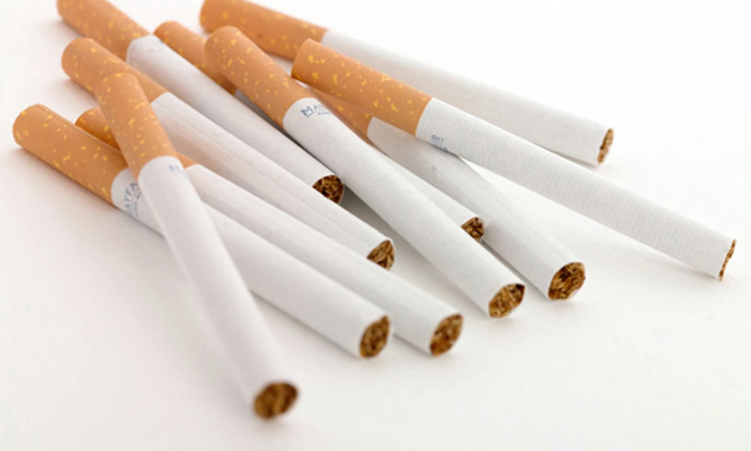
The government is pushing for the creation of a tobacco tax fund that would channel money collected from cigarette and tobacco sales directly into Namibia’s healthcare system.
The proposal includes increasing tobacco taxes/levies.
The money in the fund will be used for healthcare spending, anti-smoking campaigns and enforcement programmes.
Ministry of Health and Social Services acting director Helen Mouton says tobacco control has become a major public health issue rather than simply a policy debate.
“The tobacco industry continues to target vulnerable groups, especially young people,” she says.
Mouton says the government plans to amend the Tobacco Products Control Act and support higher tobacco taxes to reduce access to tobacco products.
Over the past few months several media houses have recorded some of the struggles being faced by the ministry of health.
This includes N$4.6 billion needed to fill 11 700 approved but vacant positions across the country, a shortage of medicine, dilapidated state facilities and N$16 billion needed to overhaul public facilities to match private-sector standards.
Speaking at the launch of the proposed fund, Tax Justice Network Africa policy officer John Thomi said stronger tobacco taxation could help Namibia raise domestic revenue while reducing smoking-related illnesses.
“Stronger tobacco taxation offers a double benefit by increasing domestic revenue while at the same time reducing tobacco consumption and the burden of non-communicable diseases,” said Thomi.
Ministry of Finance representative Anita Beukes says international experience shows that tobacco taxes can improve public health outcomes while strengthening economies.
She says the money in the fund will be allocated in the appropriation budget.
“Effective tobacco control policies contribute to healthier populations, increased productivity and more resilient economies,” she says.
Namibia Revenue Agency representative Kephas Shatona says there is leakage in the system when it comes to collecting taxes from tobacco products.
“Namibia continues to face challenges related to cigarette smuggling, informal cross-border trade, misclassification of tobacco products and weak monitoring systems at border points,” says Shatona.
During the tabling of the national budget, the government increased tax on tobacco by 3.39%.
World Health Organisation country office representative Celia Kaunatjike says Namibia has already made progress in tobacco control through restrictions on tobacco advertising and enforcement of smoke-free public spaces.
However, she says stronger enforcement and cooperation are still needed.
“Through stronger collaboration we can address existing gaps in tobacco control, strengthen enforcement and response systems and ensure that Namibia’s tobacco control framework aligns with global standards,” says Kaunatjike.
The Tobacco Tax Advocacy in Africa project is being implemented by Tax Justice Network Africa in partnership with the Namibia Development Foundation.