





Dear Namibian men, masculinity does not mean you should suffer alone, or that you should neglect your feelings and emotions.
Being a man does not mean you shouldn’t seek help or talk about your problems. Masculinity means showing up and taking care of yourself mentally, emotionally, and physically. Whereas being a man is stepping up for yourself and others, while carrying out duties and responsibilities in an appropriate and respectful manner.
Traditionally, men have been expected to step up as protectors and providers. Society has constructed a mirage of masculinity that discourages vulnerability and emotional expression. Men are taught from an early age to be tough, hide their fears and insecurities, face the adversities of life, and remain with a bulk of problems buried inside.
‘Man-up,’ ‘real men don’t cry,’ and ‘as a man you should…’ are some of the few stereotypes men face as society has a ‘universal’ expectation of what to do and what not to do as a man.
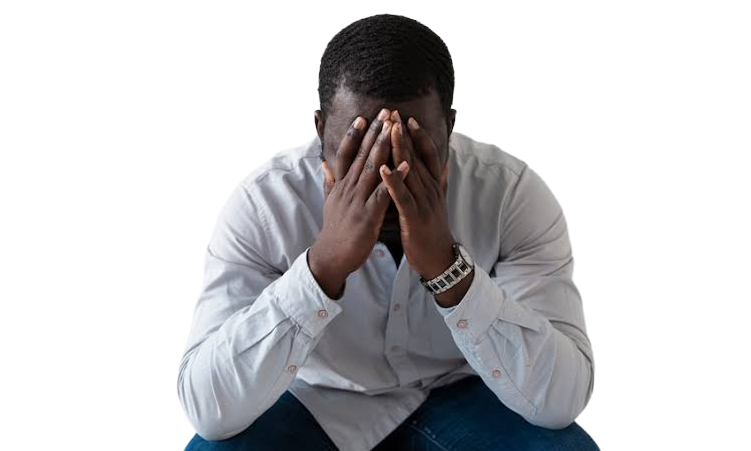
This societal pressure can lead to men suppressing their emotions, refusing mental and emotional wellness support, and feeling demoralised which can ultimately lead to suicide.
According to the Namibian Police, the country averages an estimated 15 suicides per 100 000 people, having recorded 475 suicide cases in the 2024/2025 financial year, with over 80% of them being male. One of the primary barriers to men seeking help for their mental health is the stigma attached to it. Many men fear that acknowledging their struggles will be regarded as a sign of weakness or failure.
A healthy mind doesn’t only benefit the individual, but society collectively. Depression, rejection and unemployment are the leading causes of suicide. Many men fail to handle rejection, while not being able to support themselves and loved ones financially poses a heavy burden.
Men are simply encouraged to work harder, leading some to engage in criminal acts. With high income inequality, poverty and unemployment rates, many citizens are forced to seek alternative ways to survive.
To protect society, the government must urgently prioritise mental health programmes to support and educate children in their developing stages.
Building a support system is vital for mental health. Family, friends and partners play a crucial role as encouraging open and non-judgmental conversations helps men feel more comfortable sharing their thoughts and feelings. Furthermore, professional help is essential for those experiencing severe mental health issues. Men’s empowerment clubs should be established. Engaging in hobbies, exercise, meditation, or mindfulness techniques also contribute to reducing stress and depression.
Men’s mental health is a critical issue that deserves everyone’s attention and understanding. Breaking the silence surrounding men’s hidden struggles is essential for creating a healthy society.
By challenging societal norms, reducing stigma, and encouraging open conversations, we pave the way for a healthier future. Let’s work together to ensure that men’s mental health is acknowledged, respected, and supported.
– Remind Ekandjo