I Wish to express my deep concern regarding the pressure university students face during examination periods in Namibia.
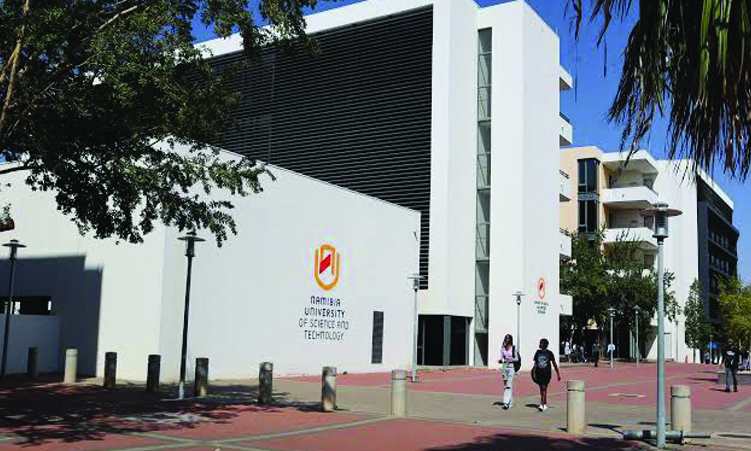
My concern is not to accuse any particular institution of deliberately disadvantaging its students, nor am I suggesting that the Namibia University of Science and Technology, the University of Namibia, International University of Management or Triumphant College do not provide students with adequate preparation time.
I mention these institutions because they are among the country’s prominent institutions of higher learning and are part of a broader national conversation about university education.
My central question is simple: Why does it take several months to teach a module, yet students are sometimes expected to prepare for examinations covering an entire semester within a few days?
Students spend months attending lectures, completing assignments and preparing for continuous assessments.
However, during examination periods, closely scheduled examinations can leave students struggling to revise several demanding modules within a limited timeframe.
Higher education should be about understanding, critical thinking and applying knowledge, not merely memorising information under extreme pressure.
This concern becomes even more serious when we consider student mental health.
Namibia cannot afford to ignore reports of student suicides and the emotional struggles experienced by young people in tertiary institutions.
While suicide is complex and cannot be attributed to examinations alone, universities must recognise the importance of accessible counselling, early intervention and supportive academic environments.
We must also consider the financial consequences of academic failure.
University modules are expensive, and for students from disadvantaged backgrounds, failing even one module may mean paying additional fees, delaying graduation or losing financial assistance.
Some students eventually abandon their studies, not because they lack ambition, but because they can no longer afford to continue.
The consequences extend beyond the individual.
Namibia needs qualified graduates to drive economic growth, tourism, innovation and national development.
Every student who drops out represents a loss of potential, family investment and valuable human capital.
I therefore encourage all institutions of higher learning to continuously review examination scheduling, student support services and the affordability of repeating failed modules.
Adequate preparation time and reasonable academic support should be considered essential components of quality education.
The issue is not about lowering academic standards; it is about creating fair conditions under which students can meet those standards.
Our universities must produce graduates who are knowledgeable, capable and prepared to contribute to society, rather than leaving students overwhelmed by academic, financial and emotional pressures.
– Listo Shonena