





Windhoek Central Hospital, 9 September 2026.
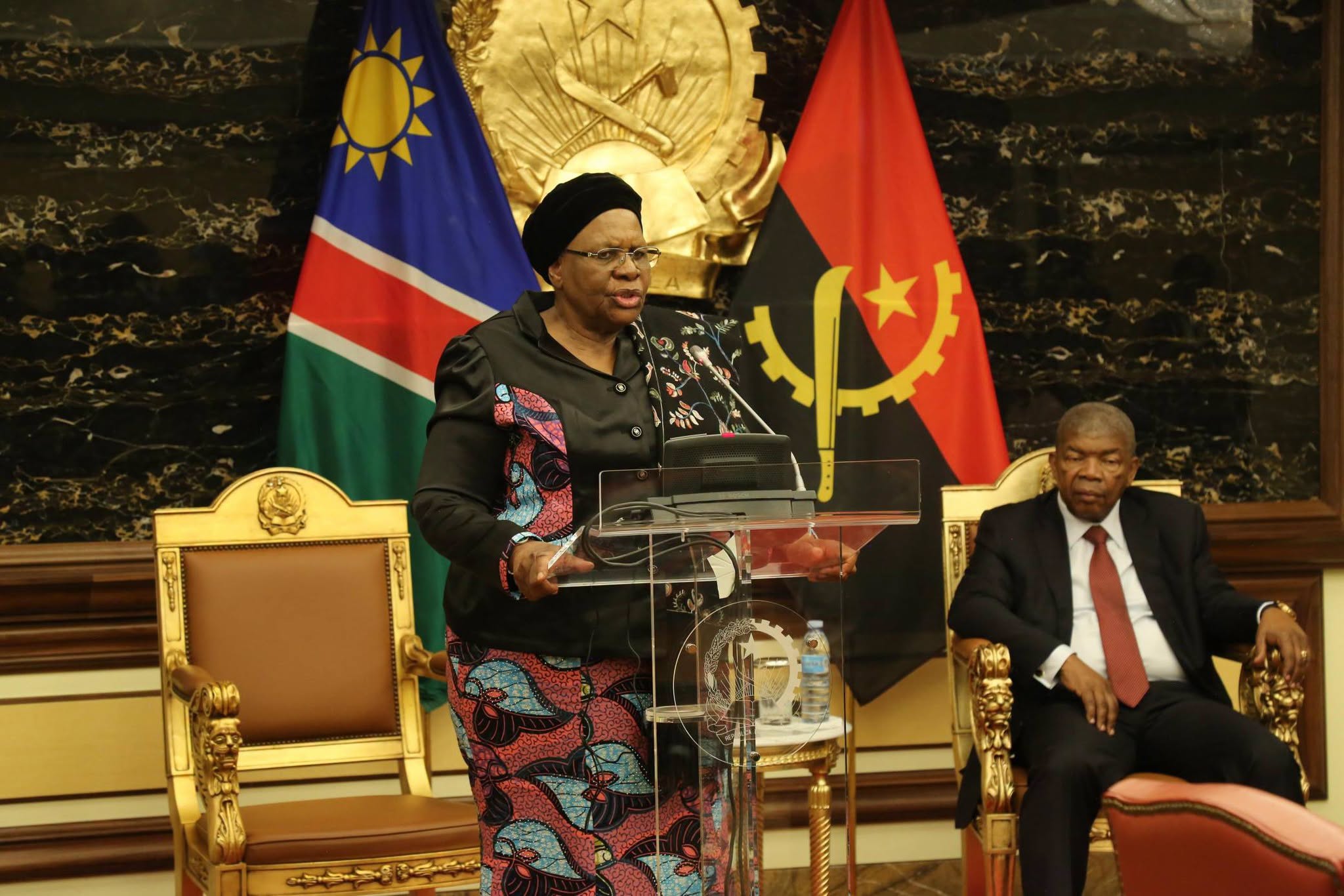
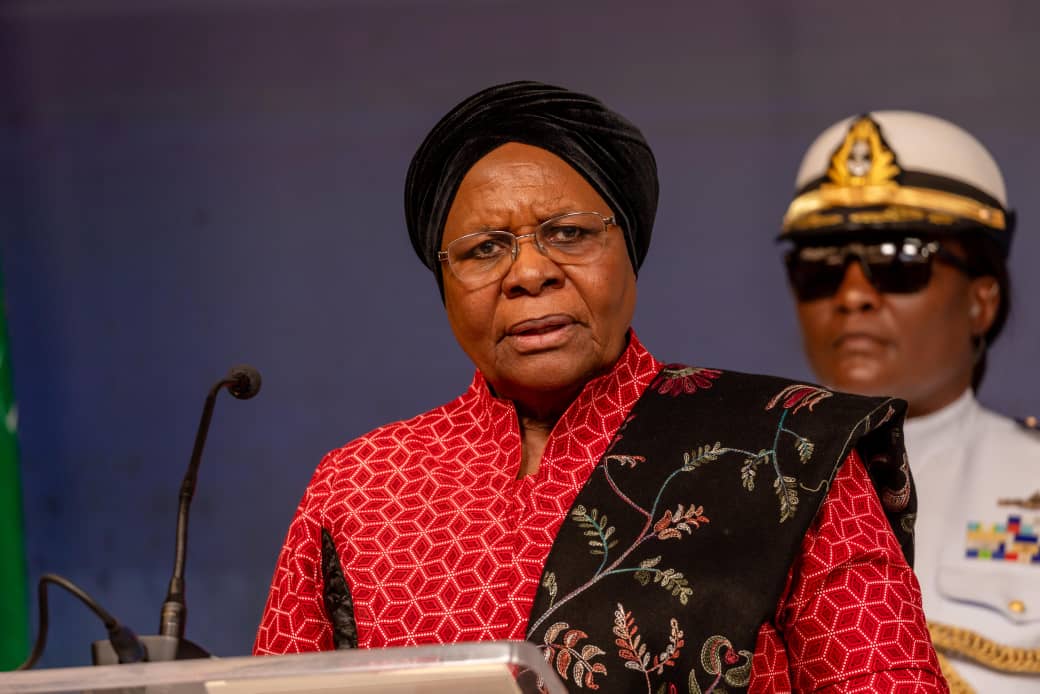
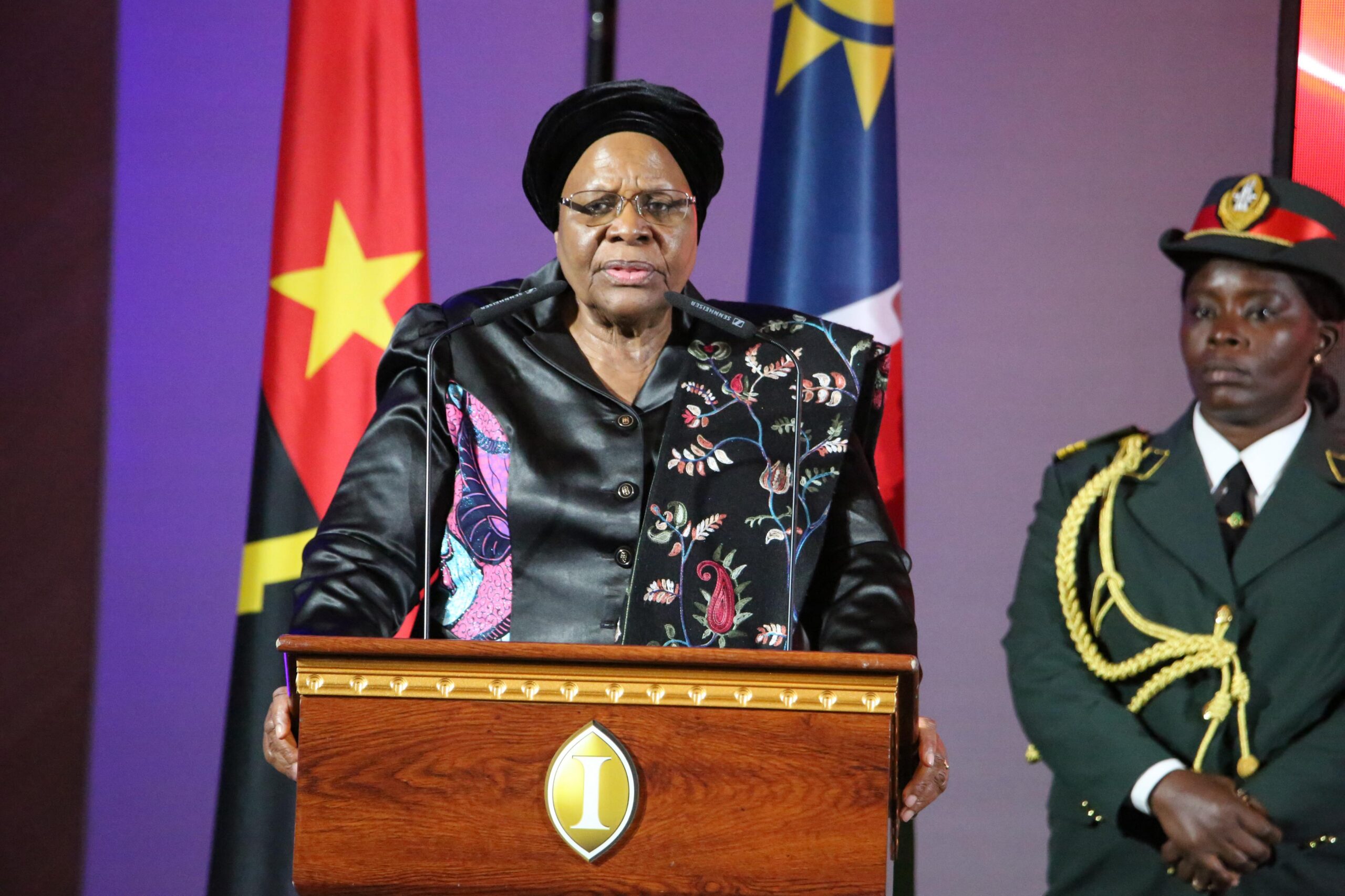
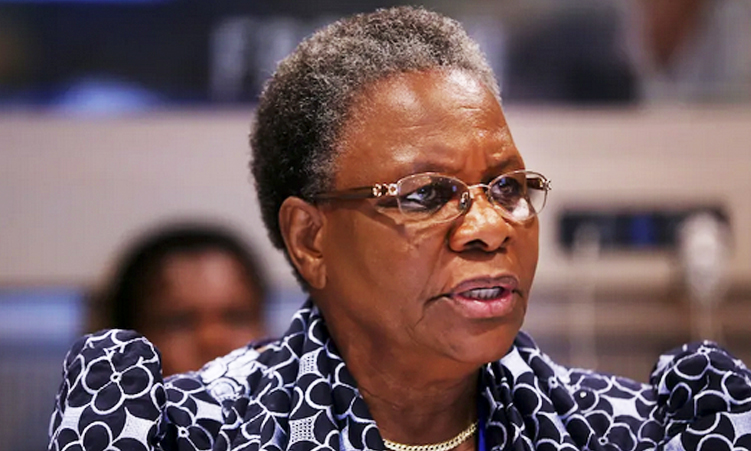
Keynote address by Her Excellency Dr. Netumbo Nandi-Ndaitwah, President of the Republic of Namibia.
Director of Ceremonies, Mr Penda Ithindi, Executive Director, Ministry of Health and Social Services;
Hon. Dr. Esperance Luvindao, Minister of Health and Social Services;
Hon. Ministers and Members of Cabinet;
Hon. Suzan Hambelela Ndjaleka, Deputy Minister of Health and Social Services;
Hon. Members of Parliament;
Executive Directors and Senior Government Officials;
Dr. Shitaleni Herman, Medical Superintendent, Windhoek Central Hospital;
Dr. Alfons Amoomo, Deputy Executive Director;
Distinguished Guests;
Members of the Media;
Ladies and Gentlemen;
- Today, as we gather to inaugurate Namibia’s first state-owned Magnetic Resonance Imaging (MRI) machine, we are reminded that 36 years have passed since our country attained Independence. Over these years, we have carried the responsibility of building a nation where essential services are accessible to all, regardless of socio-economic background. Healthcare remains central to this responsibility. We have expanded primary healthcare services and hospitals, trained healthcare professionals, and introduced specialised services, including cardiac, neurosurgical, paediatric and other complex medical services.
- While we have made significant progress, much remains to be done. Development is a continuous process that requires investment, commitment and decisiveness. This is why my Administration has deliberately prioritised the allocation of resources to the health sector, which receives the second-largest share of the national budget after education.
- Today’s inauguration marks a historic milestone. For the first time since Independence, the Government of Namibia has established a government-owned and government-operated MRI service. This is an important achievement for our country and for the 8th Presidential Administration, which has committed itself to improving the lives of the approximately 2.7 million Namibians who depend on public healthcare services.
- The public sector serves approximately 85 percent of our population. Therefore, strengthening public healthcare is not simply an investment in infrastructure or equipment; it is an investment in the dignity, wellbeing and productivity of our people. A healthy population is essential to national development, and this is why health is one of the eight priority areas of the 8th Presidential Administration.
- For more than 20 years, MRI services have been available in Namibia’s private sector. Patients who depend on the public health system, however, have had to be referred to private facilities when an MRI was required. This has resulted in additional costs, inconvenience and delays for patients and the Government.
- Over the past five years alone, more than 4,000 patients were referred to private facilities for MRI services, at a total cost exceeding N$80 million. This represents an average expenditure of more than N$16 million per year. In response, the Government has invested N$49,795,904 in establishing this MRI facility at Windhoek Central Hospital, including the machine, accessories and supporting infrastructure.
- This machine is expected to serve our people for approximately 20 years, provided that it is properly maintained. If we compare this with the cost of referring patients to private facilities over the same period, which could amount to approximately N$320 million, the Government’s investment represents a substantial potential saving. The initial investment could broadly be recovered within approximately three years. This does not mean that the private sector is not important. On the contrary, the private sector remains an essential partner in complementing public healthcare services.
- However, the most important return on this investment cannot be measured in monetary terms. It is measured in earlier diagnoses, better treatment decisions, reduced turnaround times and improved health outcomes. It means that families can receive answers sooner, doctors can make decisions based on better information, and patients can avoid unnecessary financial and emotional burdens.
- The introduction of MRI services in the public sector is therefore a matter of equity. Advanced medical technology should not be reserved for those who can afford private healthcare. A pensioner dependent on public healthcare and a patient with private medical aid deserve the same dignity and access to appropriate medical technology. Those who cannot afford private services must also receive timely and appropriate diagnostic imaging.
- MRI technology will strengthen our ability to diagnose and manage neurological, spinal, abdominal, pelvic and other complex medical conditions. It will support better clinical decision-making and improve patient outcomes. Most importantly, it brings modern diagnostic technology closer to the people and helps narrow the gap in access to specialised healthcare.
- However, this MRI machine is only the beginning. During this financial year, the Government will commence the procurement and installation of a second MRI machine at Oshakati Intermediate Hospital. This will expand access to MRI services in the northern, more populous regions of our country and reduce the need for patients to travel long distances or be referred to private facilities.
- The Government has also procured a range of new medical technologies directly from manufacturers, including CT scanners, X-ray machines, ultrasound machines, ECG machines, CTG machines, anaesthetic machines and multiple patient monitors. These have been distributed to health facilities across the country.
- Our objective is clear: access to quality healthcare must not be determined by geography. We are therefore also advancing plans for the establishment and development of Windhoek District Hospital, Ondangwa District Hospital, Nkurenkuru District Hospital and Otjiwarongo Referral Hospital.
- We have expanded primary healthcare services and will continue to build and upgrade clinics into health centres where necessary. Namibia currently has 297 clinics and 43 health centres. Primary healthcare is the foundation of Universal Health Coverage, and we must ensure that specialised services are also brought closer to our people. Our clinics and health centres must therefore be complemented by district, intermediate and referral hospitals.
- Namibia is making progress towards Universal Health Coverage. According to the World Health Organisation’s Universal Health Coverage Index, Namibia is ranked between 65 and 70 percent, placing us among the stronger performers in Africa.
- Our progress is also reflected in the level of out-of-pocket expenditure on healthcare. While the average for the WHO African Region is approximately 35.8 percent, with the WHO benchmark being below 20 percent, Namibia’s out-of-pocket expenditure is approximately 8 percent. This reflects the Government’s significant role in financing and providing healthcare services and our commitment to inclusive access.
- Approximately 87 percent of Namibia’s population lives within 10 kilometres of a health facility. These achievements are important, but our work is not complete. We must continue improving both primary and specialised healthcare services, including diagnostic imaging. Access is not only about distance. It is also about affordability, availability, quality, dignity and continuity of care.
- The acquisition of an MRI machine alone does not constitute development. We must have the capacity to operate, maintain and continuously improve the service. Namibian medical staff have been sent to South Africa for specialised MRI training. I commend our healthcare professionals and the radiology team for their commitment. We must continue investing in the training of radiographers, radiologists, medical physicists, biomedical engineers, specialist nurses and other healthcare professionals required to operate and support this technology.
- We are fully aware of the challenges facing our health sector. These include infrastructure limitations, shortages of specialised staff, waiting times and the need to ensure stable supplies of pharmaceuticals and other medical commodities.
- The Government, through the Ministry of Health and Social Services, is working to address these challenges, including strengthening procurement and supply-chain systems. I appeal to the public for continued support, patience and cooperation as we work to improve public healthcare. Improving the health system is a shared responsibility.
- I therefore call upon the management and staff of Windhoek Central Hospital to safeguard, maintain and use this MRI machine responsibly. This machine belongs to the people of Namibia. It must remain functional, properly maintained, accessible to those who need it and used according to sound clinical guidelines. We must uphold the dignity and value of every patient who enters this facility. There must be no medical negligence. A machine that works only on the day of its inauguration is not development. Maintenance, accountability, efficiency and responsible stewardship of public assets are essential.
- Ladies and Gentlemen, today’s inauguration is about much more than a machine. It is about a patient receiving a timely diagnosis, a doctor making an informed decision, a family receiving an answer sooner, a reduction in delays and, ultimately, lives being saved.
This MRI machine is a symbol of our progress and our determination to build a stronger, more equitable and modern public health system.
I thank you.