





Namibia to submit FMD-free zone bid by year end
Namibia could take up to two years to eliminate foot-and-mouth disease (FMD) from a proposed containment zone, where authorities would work to prevent the disease from spreading to other parts of the country.
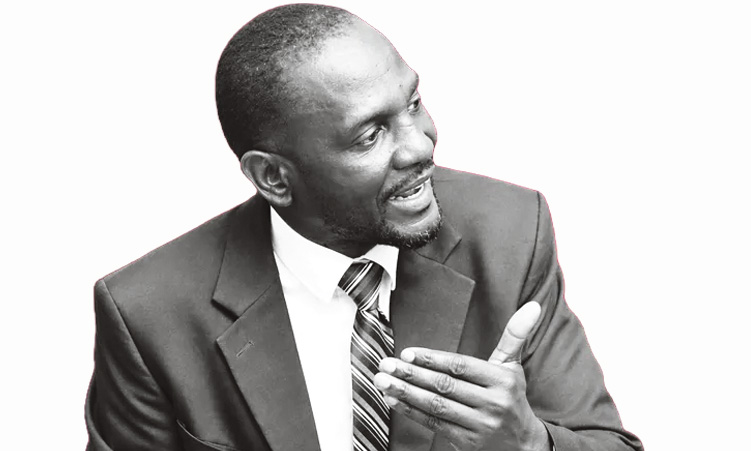
This is according to the Livestock and Livestock Products Board of Namibia executive for quality assurance Anja Boshoff.
Boshoff says the proposed zone would allow areas outside the affected area to regain their FMD-free status while veterinary authorities continue fighting the disease within the zone.
“We have two years from the time this containment zone is declared and approved by the World Organisation for Animal Health to clean it up,” she said during a panel discussion with industry experts on Namibia’s FMD outbreak on Tuesday night.
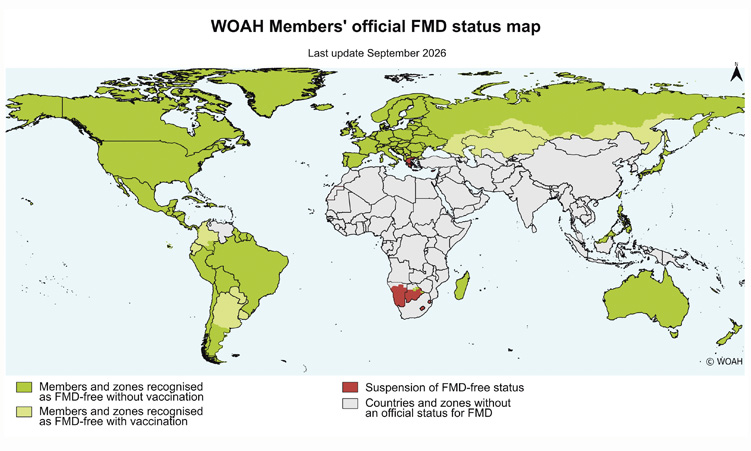
The World Organisation for Animal Health (WOAH) suspended Namibia’s FMD-free status on 22 September following the detection of the disease in the country’s previously FMD-free zone.
Namibia confirmed the outbreak in the ||Kharas region on 23 September.
According to the WOAH, a containment zone allows a country to restrict an outbreak to a specific area while working to restore the disease-free status of unaffected areas.
Boshoff said Namibia must provide evidence that the disease has been contained before areas outside the proposed zone can regain their previous status.
She said the infected area is where veterinary officials have confirmed positive cases and where vaccination will take place, while a buffer zone would separate the vaccination area from a proposed new veterinary cordon fence.
Animals in the infected area will receive vaccines to help protect them against the virus and those in the buffer zone will not be vaccinated.
RACE TO VACCINATE
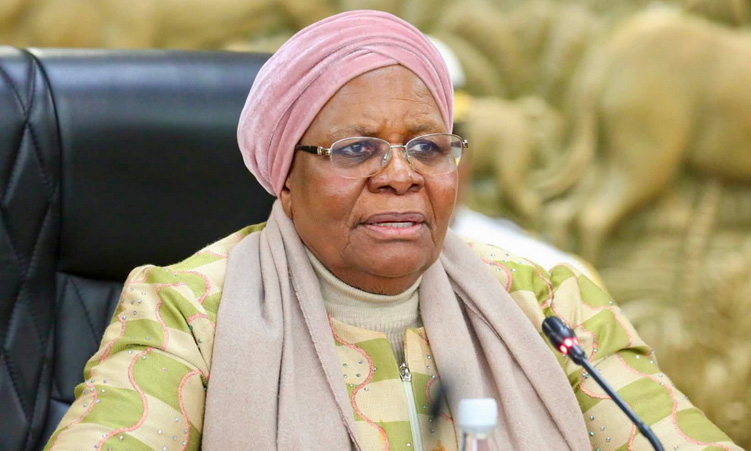
Earlier this month, agriculture, fisheries, water and land reform minister minister Inge Zaamwani said Namibia has started building a veterinary cordon fence along the Orange River in the ||Kharas region to help stop FMD from spreading.
“The buffer is there so that we can still pick up a case outside the vaccination area without affecting the free zone,” Boshoff said.
She said Namibia must continue testing animals to determine whether the disease is spreading.
“We need an enormous amount of data to prove that we are free or that the disease is under control,” she said.
Boshoff said Namibia could have enough information to submit its proposed containment zone for international recognition towards the end of this year or early next year.
Agriculture ministry spokesperson Romeo Muyunda yesterday said a total of 43 582 head of cattle have been vaccinated against FMD in Namibia.
He said 42 286 head of cattle have been vaccinated in the Zambezi region, while 1 296 have received vaccines in the ||Kharas region.
The agriculture ministry aims to vaccinate about 13 000 head in ||Kharas, with the remaining vaccinations expected to be completed within two weeks.
Livestock Producers Organisation chairperson Jako van Wyk says regaining the country’s animal-health status will not automatically reopen international markets.
“That simply means we can move domestically and that we have free status. It does not mean we can trade everywhere,” he says.
Van Wyk says Namibia will still have to negotiate with individual trading partners before livestock and meat exports can resume.
He says the European Union market could take longer to reopen because of its animal-health requirements.
“Our whole industry was built around trading with Europe. There must now be a drastic shift in the way export abattoirs think,” he says.
QUICK ACT
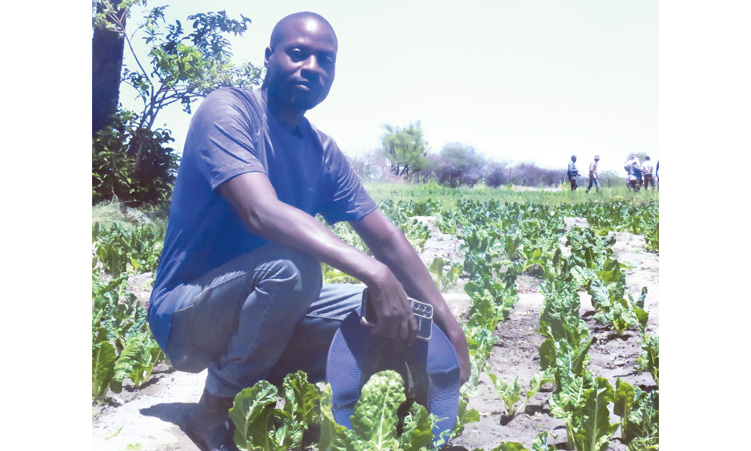
FMD Support Fund chairperson Med Handura says Namibia acted quickly after the outbreak, with the government and private sector working together to obtain testing equipment and other supplies.
“I think we have acted very, very swiftly, whether it’s the test kits or whatever that we needed to do, we were really on the ball on that,” he says.
Handura says discussions between the government and private sector before the outbreak helped stakeholders respond when the disease was confirmed.
“When you look at four weeks and we’re already looking at vaccination, I mean, for me, it’s really, really, really an astonishing performance or collaboration as an industry,” he says.
He urges farmers to remain patient as authorities consider easing restrictions on livestock movement and trading.
“We cannot afford to take a shortcut in the process,” he says.
Meanwhile, Economic Association of Namibia chief executive Cons Karamata warns that the outbreak could threaten jobs, reduce farmers’ incomes and delay the recovery of the livestock industry.
Before the outbreak, the Bank of Namibia had projected livestock farming to grow by 2.2% in 2026 and 4.6% in 2027.
Karamata says these projections are now at risk.
According to the Namibia Statistics Agency, agriculture, forestry and fishing employed 88 277 people in 2023, accounting for 16.1% of national jobs and 34% of rural employment.