





Angolan president João Lourenço has invited Namibia to become a shareholder in the Lobito oil refinery, which is currently under construction at the coastal city.
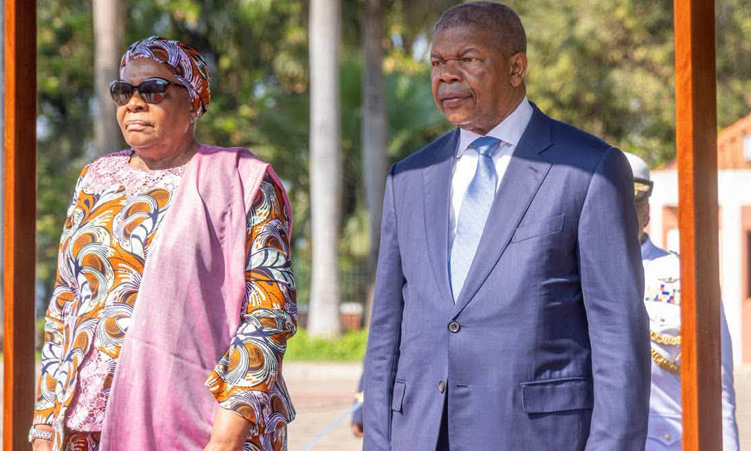
He made this call at the conclusion of president Netumbo Nandi-Ndaitwah’s visit to Angola on Monday.
Lourenço said Namibia could take an equity stake in the refinery, according to news outlet 360 Angola.
The refinery is intended to process 200 000 barrels of crude oil per day, which Lourenço said could meet domestic and international demand, 360 Angola reported.
Presidential spokesperson Jonas Mbambo yesterday told The Namibian the bi-national commission only ended on Monday, making speculation on investment arrangements premature.
“An invitation to consider a proposal doesn’t necessarily mean a formal proposal has been received, let alone a decision has been made.
We understand similar invitations were extended to Botswana and Zambia,” he said.
Although energy security is a priority for Namibia, Mbambo said large investments require careful consideration.
“We would first need to understand the details, assess the feasibility and determine whether participation would be in Namibia’s best interests,” he said.
Independent Patriots for Change shadow minister for international relations and trade Rodney Cloete says Namibia should consider other methods of achieving fuel security first.
“A share in someone else’s refinery is not fuel security. If supply runs short, Angola will fill Angolan tanks first. That is natural,” he says.
To achieve greater control over fuel, Cloete says the country should instead invest in fuel storage at Walvis Bay to protect against price shocks and supply cuts.
“Then we can buy refined fuel from whoever sells it cheapest, Lobito included. If Angola builds a good refinery we can be a good customer,” he says.
Cloete says refineries are a very difficult business, adding many in Africa run on thin margins and are over budget.
The construction of the Lobito oil refinery is led by Angola’s state-owned oil and gas company Sonangol.
Sonangol has so far committed US$1.6 billion to the building cost, according to Energy New Network.
LOOKING FOR PARTNERS
The company has been looking for finance partners since the project was restarted in 2023.
In 2025, Reuters reported that the company was in talks with Chinese and European banks to finance the remaining US$4.8billioncost(N$79 billion).
Energy analyst Gawie Kanjemba says becoming a shareholder in Lobito’s oil refinery could make strategic sense.
“I don’t see why we must build our own refinery just because we’ve discovered oil. Refining is expensive, our market is small, and we’d still need to sell to the region anyway,” he says.
However, he says the proposal has to make financial sense for Namibia.
“I would want to see the valuation, the financing arrangements, expected returns and outstanding construction costs.
A 10% shareholder can still end up with a very expensive problem if the contracts are negotiated badly,” Kanjemba says.
He says a 10% shareholder might be able to negotiate priority access to fuel, but the price and access to fuel would need to be negotiated well.
“I would want to know whether the fuel will actually be cheaper by the time it reaches Namibia.
There’s no point celebrating priority allocation if we can buy the same product cheaper elsewhere.”