




When former agriculture minister Calle Schlettwein visited Namib Mills some years ago, he uncovered a truth that should have startled the nation: Namibia does not produce a single grain of sugar. Our beloved Marathon Sugar brand is packaged locally, but the sweet crystals inside are imported entirely from abroad.
In a country that speaks often of food sovereignty and self-sufficiency, this revelation raises an uncomfortable question: Why can’t Namibia grow its own sugar?
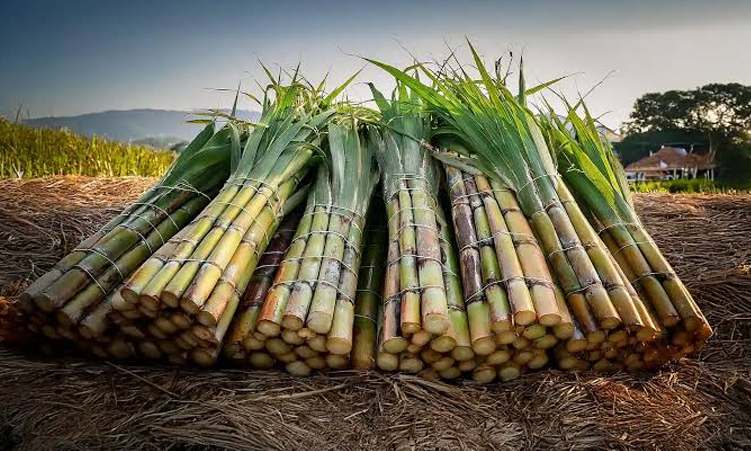
The answer most farmers give is simple: “We don’t have enough water.” While true, this explanation barely scratches the surface. Sugarcane is one of the most water-intensive crops in the world, requiring between 1 500 and 2 500 millimetres of rainfall annually. Namibia, the driest country in sub-Saharan Africa, falls far short of this threshold. Even in the Kavango and Zambezi regions, where rainfall is higher, large-scale cultivation would demand massive irrigation projects, dams, and pumping systems. The economics of such infrastructure are daunting.
Beyond water, Namibia’s soils and climate pose further challenges. Sugarcane thrives in tropical, humid regions with rich soils and consistently warm temperatures. Much of Namibia is semi-arid or desert, with poor water retention and cool winters that slow growth. Even if cane could be grown, sugar mills essential for processing cane quickly after harvest are prohibitively expensive to build and operate. With South Africa, Eswatini, and Zambia already producing sugar at scale under ideal conditions, Namibia’s imports through the Southern African Customs Union (Sacu) remain cheaper than domestic production.
But here is where the conversation must pivot. If sugarcane is unviable, does that mean Namibia should forever resign itself to imports? I argue no. We must explore alternatives that fit our climate and economic realities.
One promising candidate is sweet sorghum, known locally in Zambezi as inswe. Unlike sugarcane, sorghum requires far less water roughly one third to half and matures in just three to five months. Its stalks yield sweet juice rich in sucrose, glucose, and fructose, which can be boiled into syrup, refined into sugar, or fermented into bio-ethanol. Sorghum is already widely cultivated across northern Namibia, making this a natural transition. Imagine farmers in Kavango producing sorghum syrup for local markets, reducing our reliance on imports while creating jobs.
Another option is sugar beet, a crop that generates nearly 20% of global sugar production. Unlike tropical cane, sugar beets thrive in temperate, drier climates and tolerate saline soils and brackish water conditions common in Namibia. They could be planted during cooler winter months in regions like Hardap under drip irrigation. The sucrose they yield is chemically identical to cane sugar, meaning Namibia could produce a familiar product without the climatic constraints of cane.
And then there is stevia, a plant that produces natural, zero-calorie sweeteners up to 300 times stronger than sugar. Stevia is extremely efficient under modern drip irrigation, offering massive sweetening capacity per litre of water applied. In a world increasingly conscious of health and diet, stevia could position Namibia not only as a producer of sweeteners but as a player in the growing global market for healthier alternatives.
These crops are not pipe dreams. They are practical, tested alternatives that could anchor a domestic sugar industry. What is required is vision and investment. Pilot projects in Kavango and Zambezi could test viability. Government incentives could encourage private investors to take risks. Universities and agricultural colleges could lead research into refining techniques and market development.
The truth is stark: importing sugar may be cheaper today, but it keeps Namibia locked in dependency. Every bag of imported sugar represents money flowing out of the country and opportunities lost for local farmers. If we are serious about food self sufficiency, we must invest in crops that match our environment instead of surrendering to the narrative that “sugarcane won’t grow here.”
Namibia’s sweet future will not be built on cane. It will be built on innovation, adaptation, and the courage to plant differently. Sweet sorghum, sugar beet, and stevia offer us a chance to rewrite the story to move from dependency to resilience, from import reliance to local production. The question is not whether Namibia can grow sugarcane. The question is whether Namibia has the will to grow something better. – Mitchell Simataa