European businesses will source beef from other suppliers to meet demand following the temporary suspension of some Namibian meat imports due to the foot-and-mouth disease (FMD) outbreak.
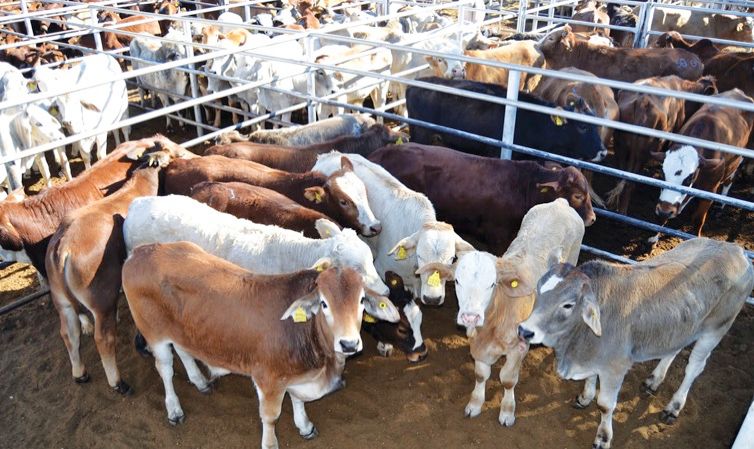
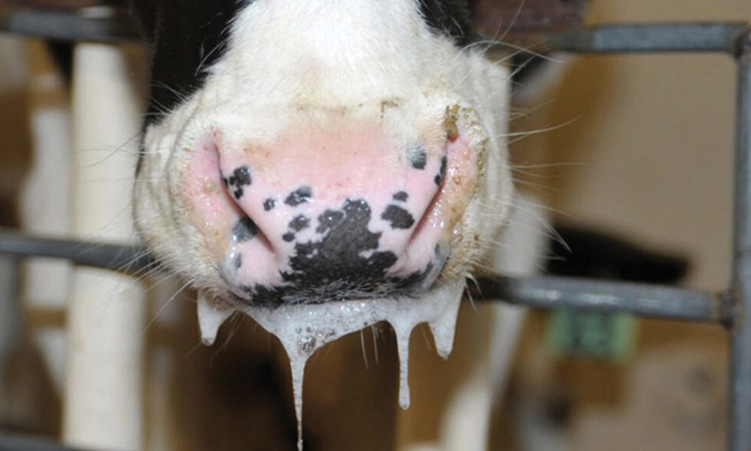
Namibia confirmed the FMD outbreak last month in the ||Kharas region and the disease has now spread to 11 farms.
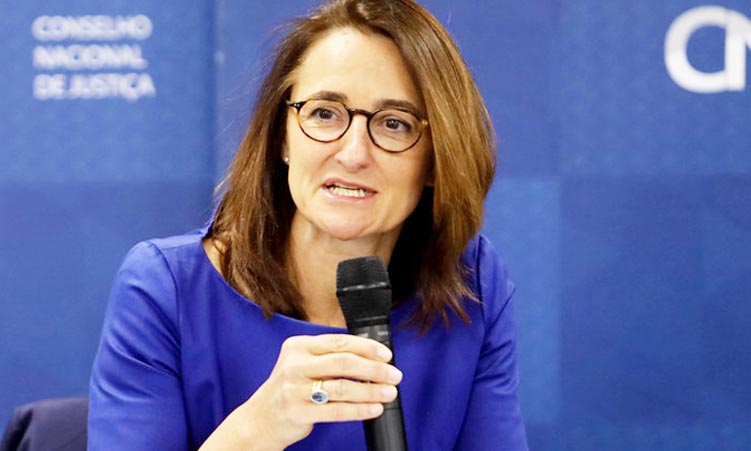
European Union (EU) ambassador to Namibia Ana-Beatriz Martins says Namibia accounts for a relatively small share of the EU’s beef market, which serves about 450 million consumers.
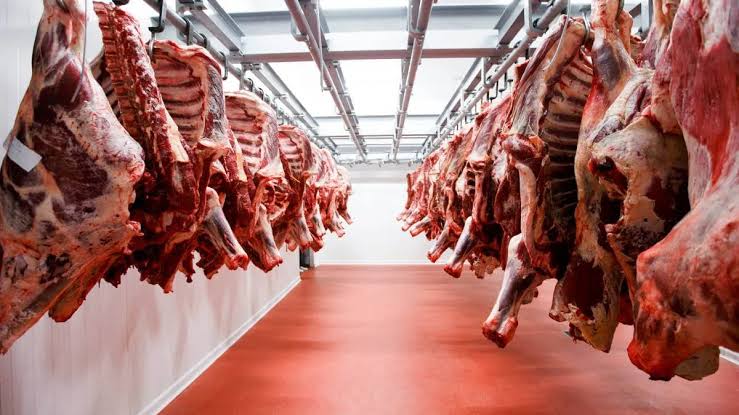
The EU yesterday temporarily suspended imports of fresh beef, sheep and goat meat, some processed meat products and certain farmed and wild-hoofed animals from Namibia due to FMD concerns.
Biltong and jerky are also affected, while meat treated to meet EU FMD requirements can still be imported.
“The impact on the EU market is expected to be relatively limited, given the size and diversity of the EU beef market. Businesses will be able to look to other existing sources to meet demand and adjust their supply chains accordingly,” Martins told The Namibian yesterday.
She said the temporary suspension, therefore, does not pose a significant risk to the availability of beef in the EU market.
“The EU will continue to source from its existing trading partners and, where necessary, rebalance its sources to meet market demand,” she said.
“These trade preferences remain fully in place and are not altered by the current FMD situation,” Martins said.
She said the current restrictions should not be viewed as a change in the long-term trade relationship between Namibia and the EU.
Last month, a Simonis Storm report predicted that Namibia could lose its N$3.3-billion European market for beef due to FMD.
“It is a disaster,” BeefCor director Jaco Swanepoel says about the suspension by the EU.
BeefCor also supplies to the EU market.
The Meat Corporation of Namibia (Meatco) says the EU’s decision to allow some beef consignments shipped before the FMD outbreak to enter the EU market will reduce the immediate financial impact on the livestock industry.
“The clarification by the EU provides important relief to Meatco and the wider livestock industry. It means that an eligible product certified before the outbreak can continue its journey to the European market, subject to the applicable veterinary and border-control requirements,”Meatco interim chief executive officer Albertus Aochamub says.
LOSING GROUND
However, economists say the same flexibility on ‘low risks’ is not available to Namibia, which relies heavily on premium export markets for its beef.
“Every month our premium markets stay closed puts close to N$300 million of export sales at risk,” economist Jason Kasuto says.
He says three months of disruption could put about N$900 million in export sales at risk and N$1.7 billion over six months.
However, Kasuto says these figures represent export value at risk and not necessarily actual losses, as some meat could be redirected to domestic or regional markets, although potentially at lower prices.
Kasuto warns that Namibia could lose its market position if the disruption persists.
“The larger risk is not the revenue lost this quarter but the market position we could lose over the next several years,” he says.
Economist Abraham Eita shares the same sentiments on Namibia’s EU beef market position.

“If trade is disrupted for too long, competing countries may take Namibia’s place in the same process, deterring long lasting trading relationships built with other countries,” he said.
Eita says this could also reduce foreign-currency earnings from beef exports and weaken economic activity across the livestock value chain.
He says farmers and workers would earn less, rural spending would fall and processors could reduce activity, while the government could face higher costs for disease control and financial support.
“In this way, an export ban can become a much wider economic problem. The greatest risk is losing access to the global markets, at the same time damaging the country’s reputation as a reliable supplier of disease-free beef,” Eita says.
Meanwhile, Economic Association of Namibia deputy chair Jesaya Hano-Oshike says the impact could extend beyond exporters and farmers to businesses in livestock-producing areas.
Hano-Oshike says farmers could be forced to keep cattle for longer while waiting for markets to reopen.
“A farmer who planned to sell this month now carries those animals into the hot, dry months at his/her own cost, while auctions are cancelled and buyers hold back,” he says.
He says export abattoirs could also reduce slaughtering while still carrying fixed costs, affecting workers, transporters, auctioneers, feed suppliers and businesses in towns such as Gobabis, Otjiwarongo and Karasburg.
“What concerns me is the timing [of the FMD outbreak] as agriculture has been leading the recovery. In the second quarter, agriculture and forestry grew by 17.8% and accounted for about a sixth of the economy’s 4.8% growth, this gain is now at risk,” he says.
90-DAY WINDOW ON SHIPPED MEAT
Since the outbreak, the World Organisation for Animal Health (WOAH) suspended Namibia’s FMD-free status for the affected zone with effect from 22 September.
Martins says consignments of fresh meat certified by Namibian authorities before 23 September may still be allowed into the EU for up to 90 days from that date, subject to decisions by border control authorities in individual EU member states.
Meanwhile, the Namibia Agricultural Union (NAU) has called for urgent efforts to restore Namibia’s access to the EU meat market. NAU says restoring export markets should receive the same attention as efforts to contain the FMD outbreak.
“The NAU takes note of the EU’s decision. It is a standard measure after an FMD outbreak in a recognised free zone, and the NAU respects the right of Namibia’s trading partners to protect their own animal health. However, the union stresses that the suspension must remain temporary and that the work to restore market access must start now,” the union said yesterday.
NAU said the EU’s response should give Namibia’s trading partners confidence to work with local authorities on restoring market access, warning that the longer export markets remain closed, the greater the impact will be on farmers, farmworkers and rural communities.
Ministry of Agriculture, Fisheries, Water and Land Reform spokesperson Romeo Muyunda says the FMD contingency plan also focuses on restoring Namibia’s international meat markets as soon as possible.
“We recognise that any disruption to market access has implications for farmers, meat processors, exporters, businesses and the broader economy,” he says.