





Namibia has confirmed receiving communication from the United States over its position on the International Criminal Court, putting the country’s membership of the court under renewed scrutiny.
The Ministry of International Relations and Trade on Thursday said Namibia remains guided by its status as a state party to the Rome Statute and its commitment to international law, multilateralism and the independence of international judicial institutions.
The ministry’s response comes amid reports that the United States is seeking to persuade African countries, including Namibia, to withdraw from the International Criminal Court (ICC).
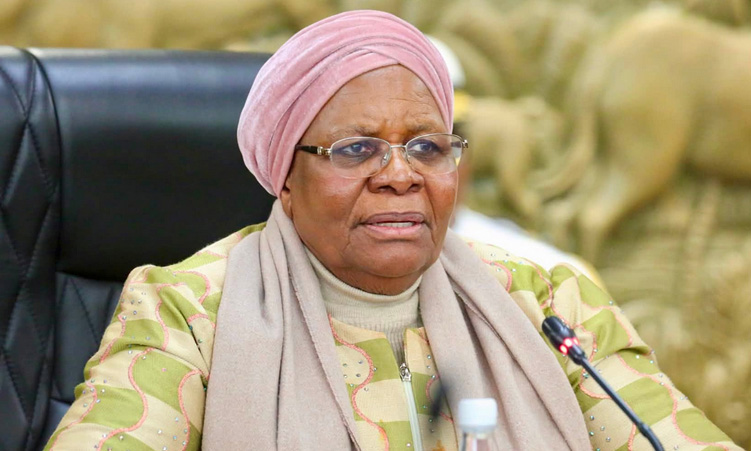
“Yes, the ministry has received communication from the United States,” acting executive director Ndiitah Nghipondoka-Robiati said yesterday.
The ministry did, however, not disclose the contents of the communication or say whether the US had directly asked Namibia to withdraw from the ICC.
It instead reaffirmed Namibia’s position, saying the country recognises that the US is not a state party to the Rome Statute and has longstanding concerns about the court, including its jurisdiction over the nationals of non-state parties.
“However, Namibia believes differences relating to the jurisdiction, functioning or conduct of the ICC are best addressed through established legal, diplomatic and multilateral channels,” Nghipondoka-Robiati said.
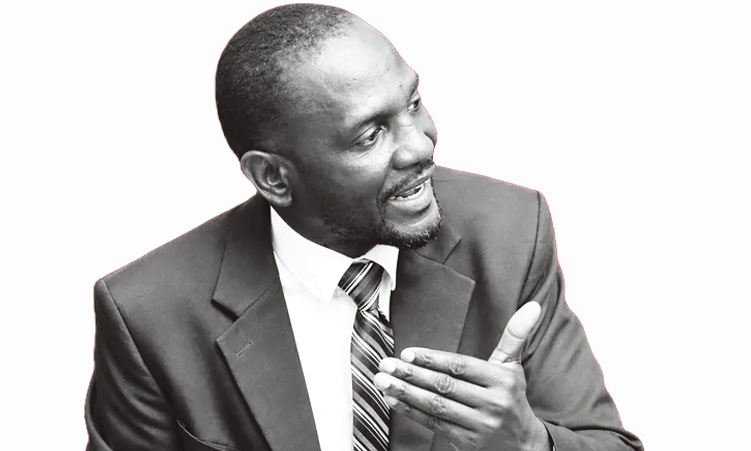
The latest development comes as Affirmative Repositioning leader Job Amupanda continues to push for Namibia to withdraw from the ICC.
Amupanda last year tabled a motion in the National Assembly calling for Namibia to withdraw from the court, arguing that the ICC has become a tool of Western and imperialist interests against African countries.
He says his motion is not influenced by the US, adding it is rooted in a pan-African and Global South position.
“We don’t take instructions from the US, and our motion to withdraw from the ICC is not at all linked to American adventurism,” Amupanda says.
He says the motion could be dealt with by October if Swapo stops delaying parliamentary business.
The reported US push has also drawn calls for Namibia to make its own decision on the matter.
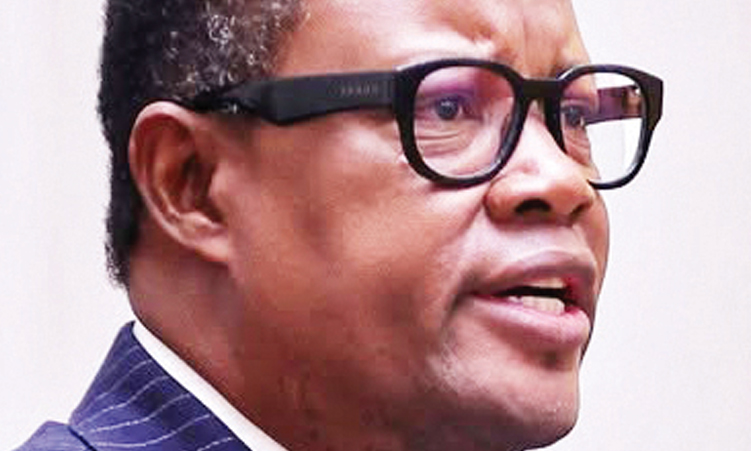
Popular Democratic Movement president McHenry Venaani says Namibia should not be dictated to by either Washington or any other foreign power.
“Every nation must always take decisions on its own moral conscience and never be coerced by any other power,” he says.
President Netumbo Nandi-Ndaitwah has previously supported an African collective position on the ICC.
In February 2017, while serving as foreign affairs minister, she said Namibia remained a party to the Rome Statute but supported the principled position of African leaders calling for collective withdrawal.
Former president Hage Geingob, however, said in 2016 that Namibia would remain a member of the ICC if the US joined the court.
The ICC has jurisdiction over individuals accused of genocide, crimes against humanity and war crimes.
Responding to the ministry’s confirmation, former ambassador Pius Dunaiski yesterday said Namibia should proceed cautiously in responding to growing pressure against the ICC, describing the developments as “signs of the times we live in today”.
Dunaiski says president Donald Trump’s administration appears to have launched a global campaign against the ICC, reportedly led by United States secretary of state Marco Rubio, with US embassies engaging governments to encourage withdrawal from the court.
He says the developments could represent another attempt by Washington to project its power and influence beyond its borders, potentially using financial assistance and diplomatic leverage.
Dunaiski says Africa finds itself in a difficult position, noting that the African Union has previously accused the ICC of selective justice and racism, particularly over its historical focus on African leaders.
However, he says the ICC’s arrest warrant against Israel prime minister Benjamin Netanyahu had arguably changed perceptions, with some African governments now viewing the institution more favourably.
“Namibia should therefore proceed cautiously and consult Southern Africa Development Community partners and establish whether there is a formal African Union position,” Dunaiski says.
He stresses that Namibia’s constitutional tradition of non-alignment should remain paramount.
According to Dunaiski, Article 96 of the Namibian Constitution, which commits Namibia to international law and peaceful cooperation, provides a strong constitutional basis for resisting external pressure and allowing the country to make an independent sovereign decision.
Public policy and governance analyst Marius Kudumo says sovereign equality of states, including the right to make free decisions without interference or duress and in their own best interests, is a fundamental principle of the United Nations Charter.
He says no state should dictate the decisions or positions of another country in bilateral or multilateral affairs.
It would be unacceptable for the United States, which presents itself as a democratic state, to pressure other countries into taking positions advancing Washington’s own interests, he says.
“Sovereign equality of states includes the right to make free decisions without interference and under duress, and decisions that, in their views, are in their best interests,” Kudumo says.
He says countries should be allowed to determine their foreign policy positions independently and engage in international affairs based on their national interests and obligations.
Kudumo’s remarks come amid growing concerns over perceived pressure of powerful states on smaller countries to align with their foreign policy positions, particularly on contentious international issues.
He says this undermines the principle of sovereign equality and risks creating an international system where powerful countries dictate terms to weaker states.
According to Kudumo, respect for sovereignty should remain central to relations between states, regardless of their political or economic influence.