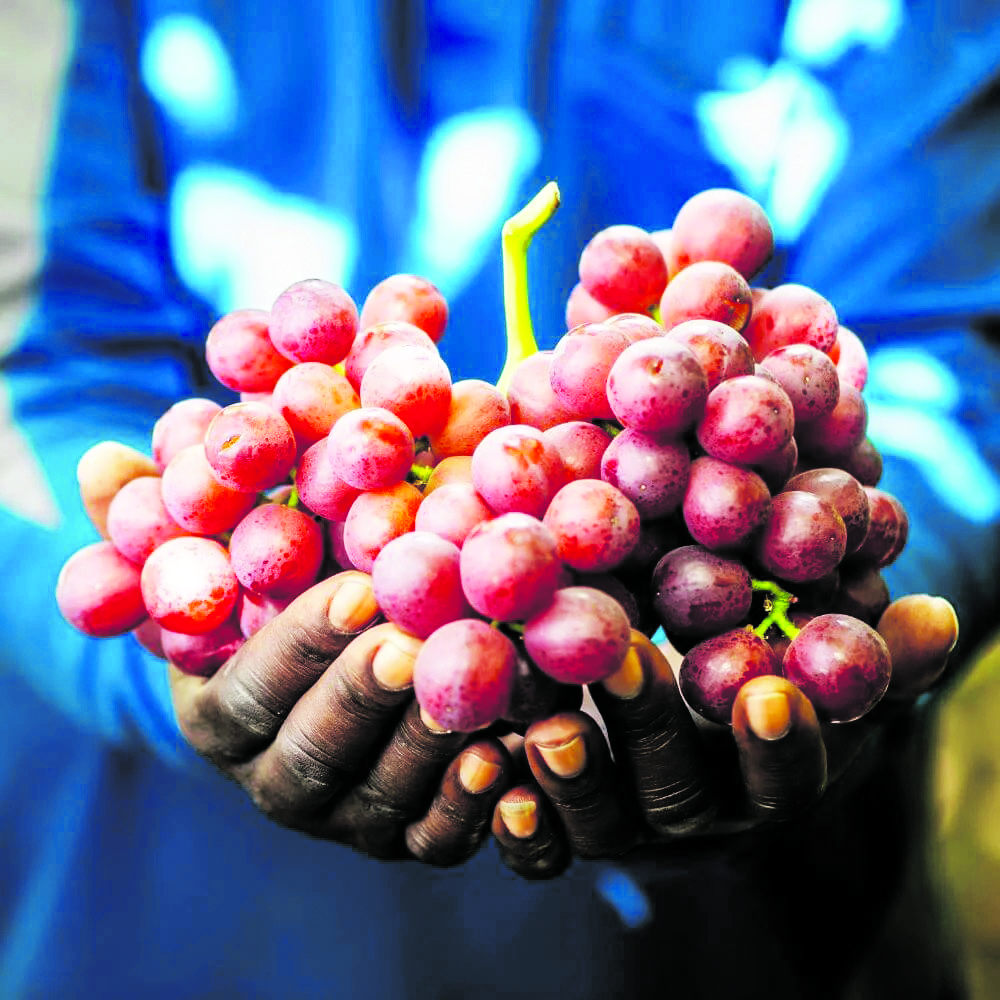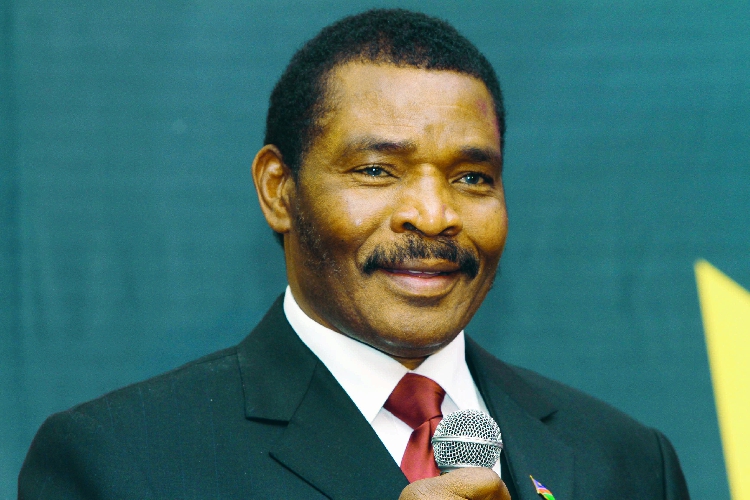





The Nakalega Youth Irrigation Project at Onampira village in the Okatana constituency of the Oshana region is struggling to find buyers for its agricultural produce.
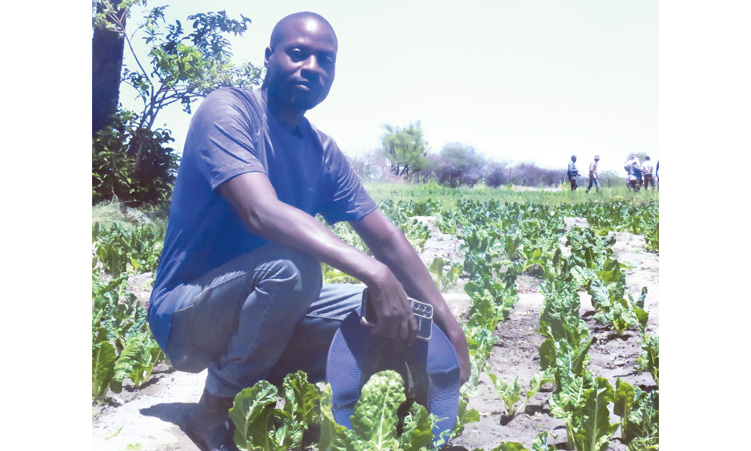
Project manager Elikana Namboga told The Namibian recently that the project produces large quantities of fruits and vegetables but struggles to sell them.
“We are selling our produce to both formal and informal markets but, the main challenge is lack of market,” Namboga said.
He said the project also faces high fertiliser prices and rising costs of chemicals used to control pests that attack fruits and vegetables.
Established in 2015, the project aims to create jobs and provide income for unemployed youth in the area, particularly those who did not complete their formal education.
“So, we are trying to create jobs for the unemployed youth in the area so that they can get some income. The youth come to work on the project,” he said.
Namboga said the project currently employs seven young people on a permanent basis.
The project covers 12 hectares of land and produces sweet potatoes, carrots, spinach, cabbage and watermelons. It also grows fruit trees.
Namboga, who founded the project, said they use a drip irrigation system to water their crops.
The project gets its water from the Namibia Water Corporation (NamWater) pipeline running from Ruacana to Oshakati.
He said NamWater allows the project to draw water from the pipeline free of charge because it focuses on youth empowerment.
Two weeks ago, about 45 agricultural extension and forestry officers visited the project as part of a six-day training programme held at Oshakati.
The training focused on the farmer field schools concept under the Drylands Sustainable Landscapes Impact Project.
The officers came from three areas covered by the project: the Kunene-Cuvelai Landscape, Kavango Landscape and Etosha Landscape of the Mopane-Miombo Belt in northern Namibia.
The project plans to establish 220 field schools across the three landscapes, targeting 7 200 people.
Each school will accommodate about 30 farmers.
Through the schools, communities will learn how to address environmental challenges such as land degradation, water shortages, climate change and biodiversity loss.
The training will also help farmers improve agricultural production.
The Ministry of Agriculture, Fisheries, Water and Land Reform and the Ministry of Environment, Forestry and Tourism are jointly implementing the project.
Other activities include establishing community seed banks, rehabilitating earth dams, creating firebreaks to control veld fires and providing drought-resistant crops.
The project operates in 11 countries across Africa and Asia.
Namibia launched the project in March 2023, and it is expected to run until April 2028.