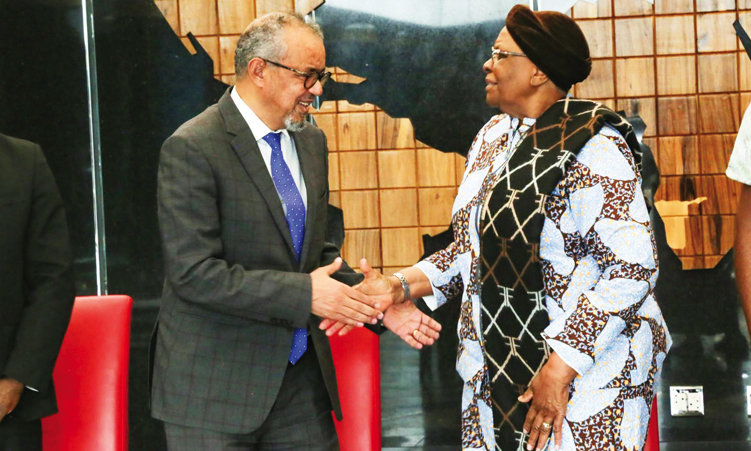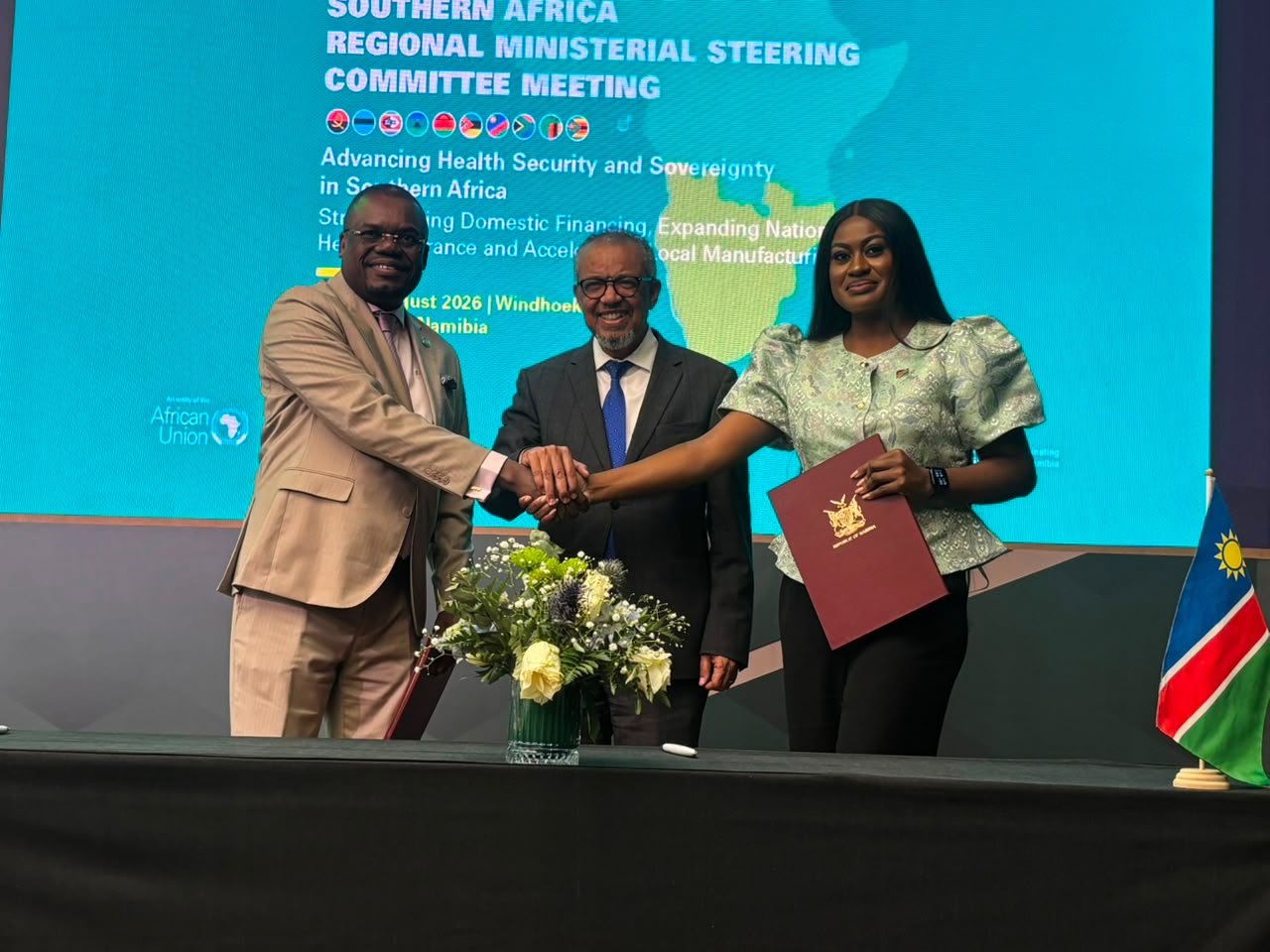
Health and social services minister Esperance Luvindao says Namibia needs to find innovative ways to generate revenue for the public healthcare system to improve the quality of care provided to citizens.
Luvindao made the remarks during a high-level panel discussion at the fifth Southern Africa Regional Ministerial Steering Committee Meeting in Windhoek on Thursday.
She said healthcare should be viewed not only as a social service but also as a multi-billion-dollar industry that can generate resources for the sector.
“Healthcare is a multi-billion-dollar industry and yes, we are called to serve the public sector. It is a social sector, but at the same time, if we are able to find ways to generate money for that very same social sector, we can immediately improve the quality of care offered to everyday citizens in the public sector,” Luvindao said.
She argued that senior government officials’ use of public health facilities could help redirect resources towards improving the state healthcare system.
President Netumbo Nandi-Ndaitwah, in a statement delivered on her behalf by National Planning Commission director general Kaira Mbuende, says southern Africa’s health security should be viewed as a matter of sovereignty, resilience and dignity.
The president says the region must strengthen domestic health financing, expand universal health coverage and accelerate local production of medicines, vaccines, diagnostics and medical devices.
“These are not separate ambitions. Together, they form the foundation of a resilient, self-reliant and prosperous region,” she says.
Nandi-Ndaitwah says the region must move from commitments to implementation, with clear responsibilities and timelines.
She says the Covid-19 pandemic had exposed the dangers of relying heavily on external suppliers for vaccines, medicines and medical equipment.
“If we do not invest in our own researchers, laboratories, clinical-trial capacity, data systems and institutions of learning, we will remain dependent on knowledge, technologies and solutions developed elsewhere,” she says.