





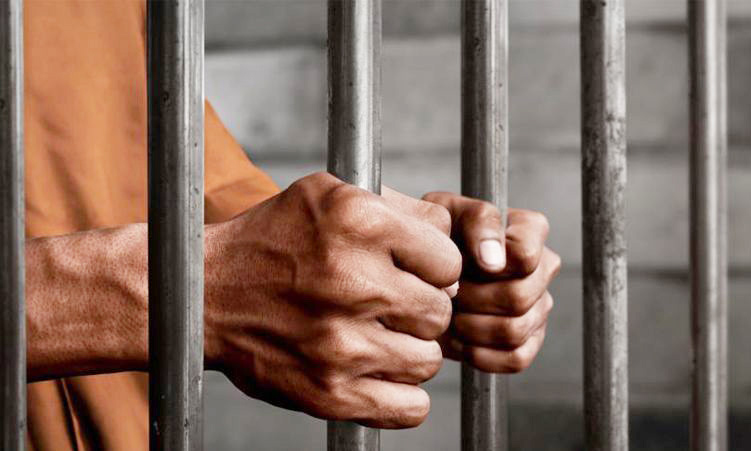
Trial-awaiting inmates are going hungry at some police holding cells, with the ombudsman finding cases of malnutrition during recent inspections.
Ombudsman Basilius Dyakugha says his findings highlight the poor conditions faced by people awaiting trial, amid persistent overcrowding and delays in the criminal justice system.
“The ombudsman highlighted that some trial-awaiting inmates were found to be suffering from malnutrition, which was later confirmed by the Ministry of Health and Social Services’ Oshana regional office,” Dyakugha says.
The ombudsman’s findings come amid police holding cells struggling with overcrowding, partly because criminal cases take too long to finalise.
The Namibian previously reported that some police holding cells were operating well above their intended capacity, with Omuthiya and Oshakati among the facilities identified as severely overcrowded.
At Omuthiya, inmates were reportedly sleeping on top of each other because of a lack of space.
Overcrowding has also put pressure on resources, including food.
The Namibian reported in November last year that police officials warned that when holding cells exceed their capacity, the police have to feed more inmates using the same budgets allocated for fewer people.
Delays mean people who would otherwise have been released on bail, acquitted, sentenced or transferred to correctional facilities remain in police custody.
SIX YEARS WITHOUT TRIAL
It is against this backdrop that the case of Ashikoto Itembu stands out.
Itembu has spent about six years in custody awaiting trial after being arrested in 2020 on charges of robbery and the theft of a motor vehicle.
He says the investigating officer later charged him in connection with 18 cases involving the theft of motor vehicles.
Itembu’s first trial date was set for June 2023, but the matter did not proceed because the presiding magistrate was attending to official duties at another court.
Since then, Itembu says, numerous trial dates have been scheduled but repeatedly failed because either the magistrate, prosecutor or his legal representative was unavailable.
“The state has taken six years of my liberty and has not brought the trial to commence,” he says.
He believes prolonged detention infringes on his constitutional rights, including his right to liberty, human dignity and a fair trial.
Itembu’s latest attempt to have the matter proceed came last week.
He says the prosecutor told the court they had taken over the matter only two days earlier and had received the disclosures on the day of the court appearance.
The prosecutor said there had not been enough time to subpoena witnesses.
Itembu’s lawyer objected and applied for his provisional release, release on warning or bail because of the continued delay.
The application was denied.
Itembu says he has been transferred between police stations and correctional facilities in different parts of the country during the six years he has been in custody.
He says some of the transfers have contributed to him not being brought to court on certain dates.
He also says communication with his lawyer is difficult because access to telephones is limited in custody.
“It’s not my fault that the lawyer doesn’t show up at court, or the prosecutors who don’t come to one,” he says.
FOOD AT COURT
Itembu says trial-awaiting inmates are given porridge, sugar and powdered milk in the morning before going to court.
Those with conditions such as diabetes and high blood pressure, as well as inmates on special diets, receive additional food, including rice, hard porridge and fruit, he says.
Itembu says other inmates do not receive the same additional rations.
He disputes reports that trial-awaiting inmates receive lunch while attending court.
According to Itembu, inmates who spend the entire day at court may only eat again after returning to custody.
The allegations could not be verified independently.
Dyakugha’s comments, however, confirm that the Office of the Ombudsman’s inspections have identified malnutrition among some trial-awaiting inmates.
Dyakugha says the ombudsman wants to see the general conditions in police holding cells improve.
“Therefore, any small effort will be welcomed by the ombudsman,” he says.
The ombudsman has recommended that the management of police holding cells be transferred to the Namibia Correctional Service, arguing that the service is trained to handle inmates, whether sentenced or awaiting trial.
Dyakugha says his office is engaging stakeholders to find a permanent solution to the challenges facing police holding cells.