



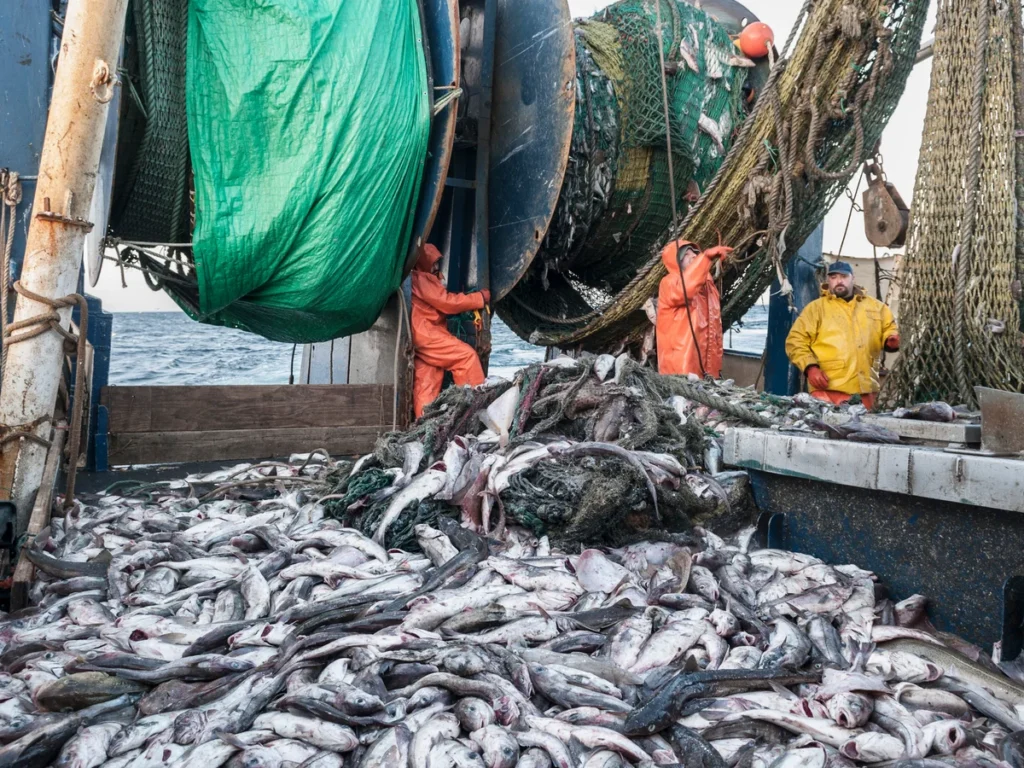
More than 1 200 tonnes of marine resources were recorded as by-catch from two horse mackerel freezer trawlers over a 30-day period, according to stock records from Scombrus Fishing.
The records, generated on 17 July, show a combined 1 233 821kg recorded for the vessels Joka 2 and Omeya Blu.
Joka 2 recorded 575 430kg, while Omeya Blu recorded 658 391kg during the period.
The stock records contain several marine species, including hake, mackerel, sardines, gurnards, jacopever, ribbonfish, snoek and other marine resources.
The figures come at a time when the Ministry of Agriculture, Fisheries, Water and Land Reform is pushing for tighter controls on by-catch, which refers to marine resources caught while fishing for another target species.
However, the ministry says it could not authenticate the Scombrus records.
“No, we don’t have anyone who can authenticate that report yet. I am not finding anything in regard to this, no one is aware of,” ministry spokesperson Romeo Muyunda says.
The records also contain stock figures for a third vessel, Ongula, although the combined figure of 1 233 821kg relates to Joka 2 and Omeya Blu.
The records do not provide an independent assessment of whether every species listed should be classified as by-catch, particularly because horse mackerel is a target species in the fishery.
The ministry’s latest figures show that by-catch remains significant across the fishing industry.
A total of 52 052 tonnes of by-catch was recorded in 2025, compared with 57 110 tonnes in 2024.
Hake made up the largest portion of the 2025 figure at 17 688 tonnes, followed by mackerel at 17 044 tonnes.
Sardinellas, listed as pilchard in the ministry’s figures, accounted for 11 016 tonnes.
Other species recorded in 2025 included dentex at 1 429 tonnes, angel at 652 tonnes, gurnard at 189 tonnes and jacopever at 86 tonnes.
A further 3 948 tonnes were recorded under other species, including ribbonfish, anchovy, alfonsino, squid and snoek.
The ministry has been working on changing the way by-catch is controlled and charged.
In a June letter, fisheries minister Inge Zaamwani proposed increasing the levy on by-catch from the current 15% of landed value to 50%.
The proposal followed concerns over increasing by-catch levels and the impact on marine resources.
The ministry has also proposed species-specific by-catch thresholds and the forfeiture of catches above the permitted limits.
The Confederation of Namibian Fishing Associations has raised concerns about the proposed measures.
Its chairperson, Matti Amukwa, says the industry supports enforcement and sustainable fishing but warned that a 50% levy, together with stricter limits, could place heavy financial pressure on operators.
“Such a drastic escalation will impose severe financial strain on operators and threatens the long-term viability of the sector,” Amukwa says.
The industry has called for further consultation with the ministry and for by-catch limits to be based on scientific assessments.
The Scombrus records, therefore, raise questions about the volume of non-target catches being recorded by individual vessels, but the 1 233-tonne figure remains based on company stock records and has not been independently authenticated by the ministry.