Restaurants in Windhoek have reported disruptions and uncertainty in meat supplies following restrictions linked to the foot-and-mouth disease (FMD) outbreak, although some establishments say they have largely maintained normal operations.
Goodfellas owner Alexa Rack says the restaurant initially could not receive meat from its regular suppliers because of the restrictions, forcing it to source available products from local butchers.
“As a result, we had to be proactive and source whatever meat was available from local butchers in order to maintain our normal operations,” Rack says.
Although regular suppliers later received clearance to resume deliveries, Goodfellas has had to rely on several suppliers rather than obtaining all its requirements from one source.
“We have also experienced delays in deliveries. Our priority throughout this period has been to secure sufficient stock wherever possible so that we can continue offering our customers the products they know and enjoy,” she says.
Rack says the restaurant has not yet increased menu prices or removed meat-based dishes, despite having to source products from suppliers charging different prices.
“At this stage, it is difficult to determine the overall impact on our meat costs, as we are currently sourcing from a number of different suppliers and prices can vary between suppliers,” she says.
She says the restaurant’s regular supplier had not increased its prices and that Goodfellas had so far avoided passing additional costs on to customers.
However, she warns that prolonged disruptions to meat availability could present challenges for restaurants where meat products form a significant part of their menus.
“A prolonged disruption to the availability of meat would undoubtedly be challenging for restaurants such as Goodfellas, particularly because meat products form an important part of our menu and customer offering,” she says.
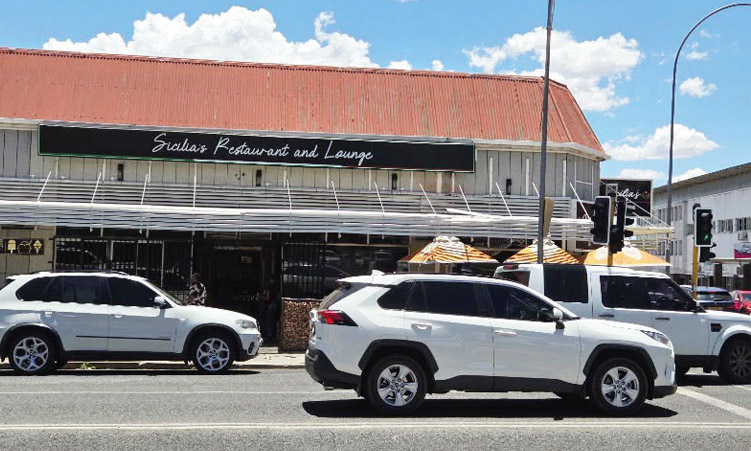
Pizzeria Sicilia manager Teven Keeja says the restaurant experienced uncertainty over supplies of beef, pork, lamb and other meat products, but avoided major shortages because it had stock before the restrictions took effect.
“There was some initial concern and urgency to secure additional stock, and we tried to place orders with suppliers as quickly as possible,” Keeja says.
He says high demand among suppliers resulted in some restaurants being placed on waiting lists for certain products, creating uncertainty over when supplies would become available.
Despite the constraints, Keeja says Sicilia did not increase menu prices or reduce portion sizes. The restaurant considered switching to chicken and fish if supplies became more difficult to obtain but did not need to make major menu changes.
“If the restrictions had continued for a longer period, there could have been an impact on our operations, particularly if certain meat products became consistently difficult to source,” he says.
Keeja says this could have affected menu availability and customers’ usual choices, but the lifting of restrictions has allowed the restaurant to resume normal operations.
Both establishments say they were monitoring supplies and maintaining communication with suppliers.
At Goodfellas, Rack says the restaurant was working with multiple suppliers, sourcing available products and complying with veterinary and regulatory requirements.
“At this stage, we are taking the situation day by day,” she says.
Sicilia has also changed its ordering approach by placing orders earlier and maintaining higher stock levels.
“The experience showed us the importance of not waiting until stock levels are low before placing orders, especially when there is uncertainty around supply,” Keeja says.
He says the restaurant would continue communicating with suppliers to identify possible delays or changes in availability and remain prepared for future disruptions.
Rack says the impact of the outbreak extended beyond restaurants to farmers, suppliers and other businesses dependent on the livestock industry.