




Politicians repeatedly state that education is free and that every child has the right to receive an education. However, without access to school and thus education, is education still free and is the right still applicable?
A great number of Namibian children still find it arduous to attend school especially in the northern and southern regions of the country. This scenario is also something residents living in the capital city face as children in the informal settlements struggle to make it to school. This is a factor contributing to a pupil’s poor academic performances. The right to education is especially denied to children living with physical disabilities, as schools are not well equipped to accommodate them. Education should be provided to each child as it is a means of obtaining knowledge.
I am sure our parents or grandparents have all told us stories about the difficult routes they took to school. It is shocking to realise that the Namibian child in the 21st century still faces this adversity.
One only needs to visit the northern regions to see children who are forced to walk more than five kilometres daily, in the scorching hot sun, just to reach school. This also means that they have to wake up early to arrive at school on time. Pupils who don’t get the recommended amount of sleep may not perform at their best and it could end up affecting their health.
In rural areas pupils may even encounter wildlife on their journey to school. Some may be hurt or even lose their lives in this unfair encounter, as has been reported on numerous occasions.
Consequently, once the pupils eventually arrive at school, they are tired and cannot pay attention which results in poor academic performances. This adversity is seen amongst children living in the informal settlements of the capital city as there are limited schools nearby, which are often overcrowded. This means pupils have to look for schools quite a long distance away from home. The government has tried to combat this issue by building hostels but it has not proven to be a wholly efficient solution, because they fail to properly maintain them causing many children to live in horrible circumstances.
In many familiar cases pupils pay to stay in hostels. With the current poverty and unemployment rate in Namibia, and with many citizens, especially in the northern and southern areas, being drought stricken subsistence farmers, we believe this is unmandatory.
One only needs to talk to boarding pupils to hear about the terrible living conditions in the hostels. With the recent closure of Concordia College’s hostel, due to health and hygiene reasons, this only proves that the government and schools have failed to maintain these hostels.
To solve this problem health inspectors need to conduct inspections at least once a term to make sure that the hostels are properly maintained. This would allow pupils to stay at hostels and give children access to schools and thus education, making the right to education valid and freely accessible.
Every Namibian citizen deserves their independence and freedom of movement. This privilege should apply to people who are physically impaired just as it does to those who are not, when advocating for an equal Namibia. Thus an amendment to public schools to accommodate physically impaired learners, and allow them to move freely and independently, would be fitting.
We have seen the process of building so-called ‘special schools’ for children who are physically impaired as a form of discrimination and isolation. I caution you not to take my word for it, rather take the word of Tembwe Cleric, who represents children who are physically impaired at the fifth session of the Children’s Parliament, who stated that he sees the segregation of children living with physical disabilities away from the others and wishes it would end. The youth have used their right to express their thoughts and our government should listen to them.
Conclusively, even after three decades of independence, all stakeholders need to fully participate in the betterment of our education system. I strongly believe that with the construction of more schools and hostels, either in remote areas or in informal settlements, the future looks bright.
As a society we also need to collectively rally for equal education rights and integration of children with physical impairments. Only then will Namibia move a step ahead in nurturing a nation of wise citizens.
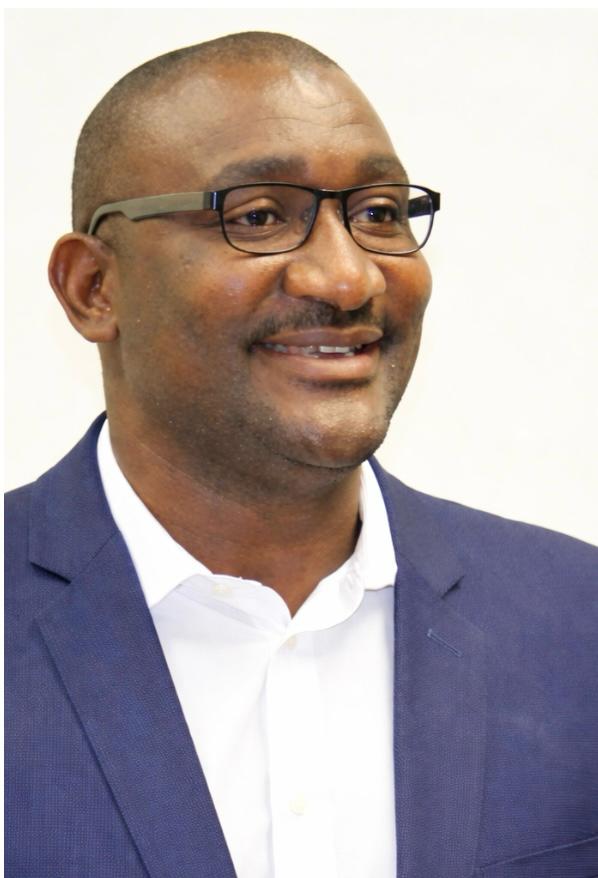
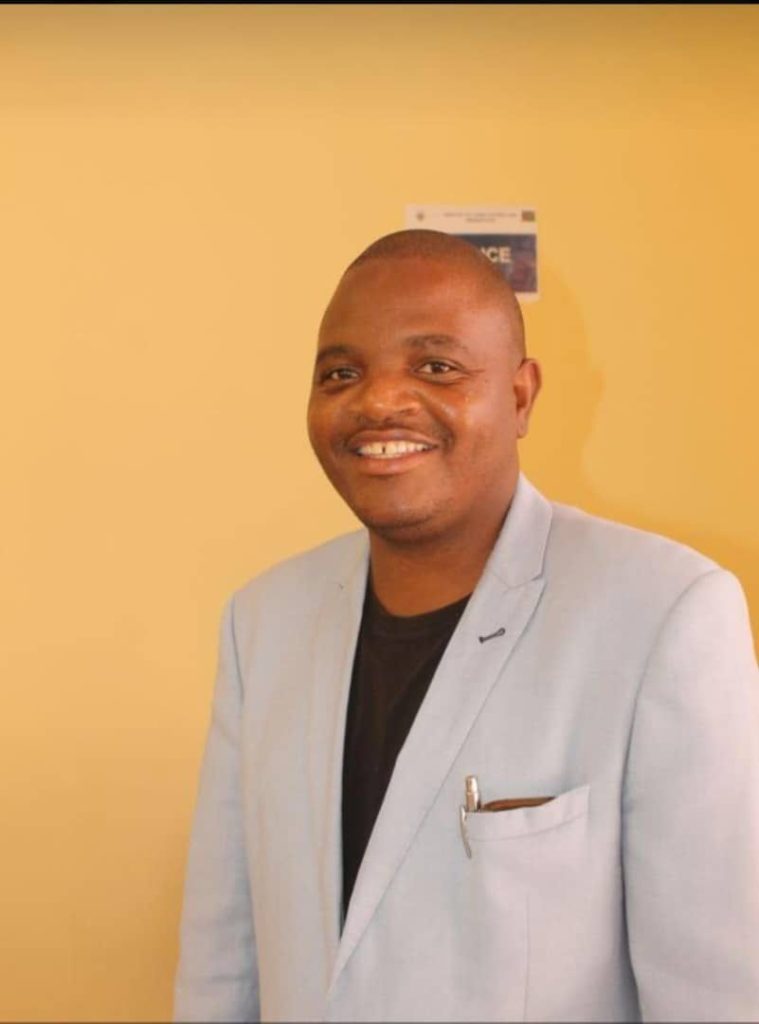
Rivaldo Kavanga is a Grade 12 pupil at Jan Möhr Secondary School. He can be reached at
rivaldokavanga22@gmail.com. Wayne McKay is a Grade 12 pupil at Agra Pequina Senor Secondary School and can be reached at wmckay454@gmail.com
In an age of information overload, Sunrise is The Namibian’s morning briefing, delivered at 6h00 from Monday to Friday. It offers a curated rundown of the most important stories from the past 24 hours – occasionally with a light, witty touch. It’s an essential way to stay informed. Subscribe and join our newsletter community.

The Namibian uses AI tools to assist with improved quality, accuracy and efficiency, while maintaining editorial oversight and journalistic integrity.
Stay informed with The Namibian – your source for credible journalism. Get in-depth reporting and opinions for
only N$85 a month. Invest in journalism, invest in democracy –
Subscribe Now!