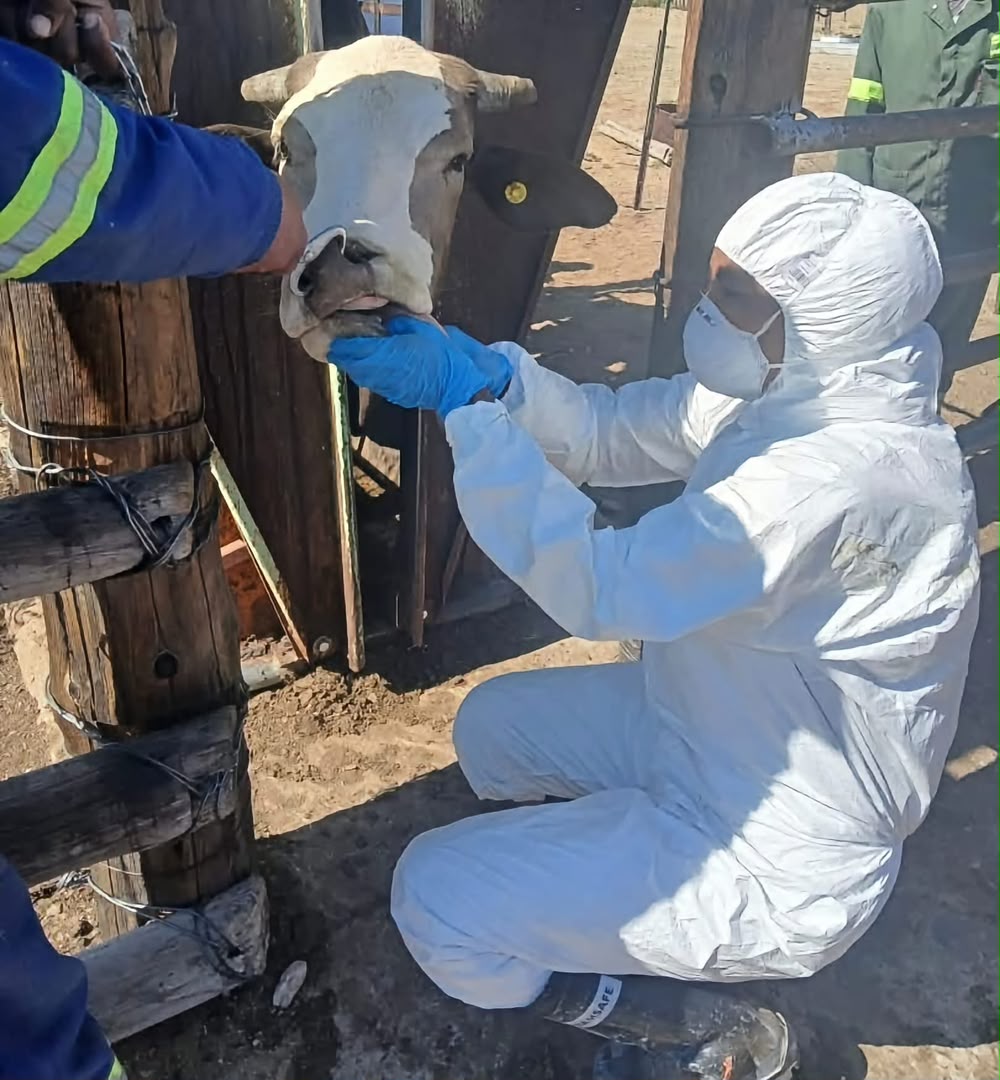





The Ministry of Health and Social Services says transport shortages are preventing some district personnel from visiting mobile clinics and community health posts.
Health minister Esperance Luvindao admitted this in the parliament last week while responding to questions from member of parliament Bonnie Susiku on the operation and effectiveness of mobile health clinics.
“The ministry is aware that some districts have not been able to visit all of their mobile clinics or community health posts because of transport challenges, and the ministry is working to address these challenges to ensure consistent service provision at community health posts,” she said.
The minister said mobile clinics remain a key component of the government’s strategy to bring healthcare closer to remote and underserved communities.
She said Namibia’s sparsely distributed population means many people, particularly in rural areas, cannot easily access services at permanent healthcare facilities.
“The Ministry of Health and Social Services therefore routinely provides healthcare services to remote areas. This is to ensure the availability of services and prevent people from suffering financial hardships while trying to access healthcare services, in line with the universal healthcare coverage policy,” she said.
Luvindao said more than 85% of the Namibian population depends on public healthcare services.
The country has more than 1 150 outreach or mobile points, 322 clinics, 56 healthcare centres, 30 district hospitals, four intermediate hospitals and one national referral hospital.
The minister said mobile clinics are established in areas where population density or infrastructure does not justify the construction of permanent healthcare facilities.
She said the ministry has also started setting up basic structures at outreach sites because it had become difficult to provide comprehensive services with dignity due to a lack of privacy and proper infrastructure.
She said 65 basic primary healthcare structures have been built at outreach sites countrywide and are gradually being transformed into community health posts.
A total of 12 of these structures have already been converted, while the process of equipping the remaining facilities is ongoing, Luvindao said.
Community health posts are intended to remain at that level unless factors such as population size, accessibility and catchment areas justify an upgrade to a clinic.
The minister, however, said the ministry aims to acquire 60 ambulances over the next three fiscal years to strengthen emergency medical response services across the country.
She told parliament the plan forms part of a broader vehicle replacement and fleet management strategy aimed at improving ambulance availability and response times.
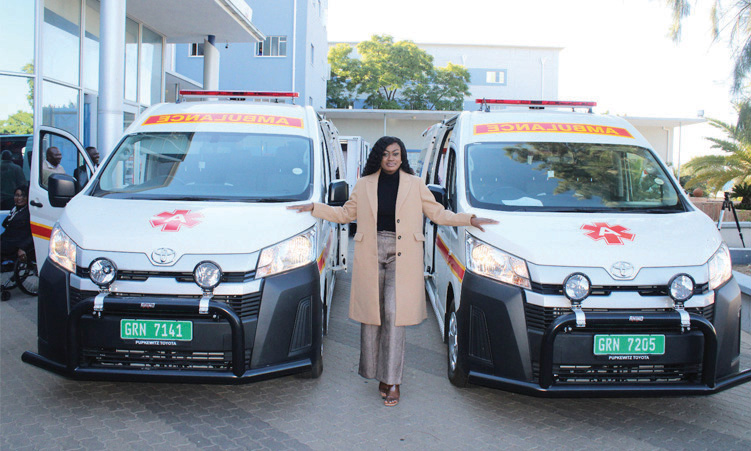
Some 36 ambulances were commissioned in May 2025 and distributed across regions, while nine additional panel van ambulances will be deployed within three weeks, including to areas such as the Hardap region, she said.
“The total number of the ambulances procured is what the resources appropriated to the ministry could bear,” Luvindao said.
The ministry is also reviewing existing vehicle deployment to potentially reallocate resources to areas in need, including Mariental.
Last year, the Japanese government handed over three ambulance trucks valued at N$9 million to the ministry.
The ambulances, funded under Japan’s Grant Aid for Economic and Social Development Programmes, were allocated to Opuwo District Hospital in the Kunene region, Katima Mulilo District Hospital in the Zambezi region, and Keetmanshoop District Hospital in the ||Kharas region.
Similarly, the Pupkewitz Foundation handed over 16 serviced and repaired ambulances last year, with eight in the Oshana region and eight in the Khomas region to the value of N$600 000.