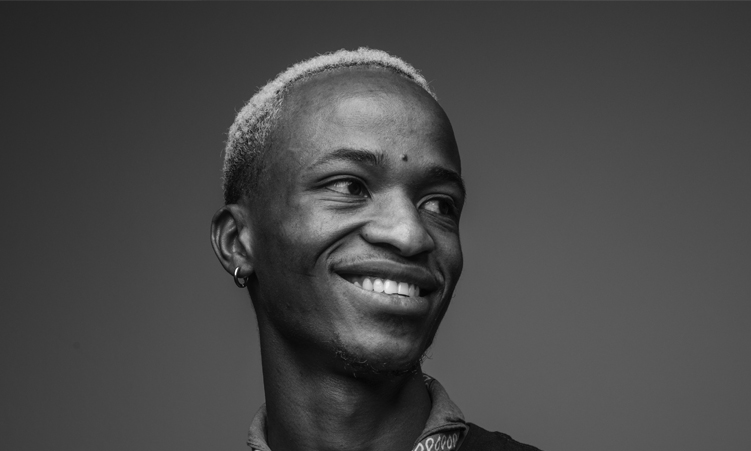
Namibian photographer, visual artist and multidisciplinary creative Jean-Claude Tjitamunisa has received continental recognition for his Ekori Resurgence Jewellery Collection, a project that reimagines Ovaherero cultural heritage through contemporary jewellery design.
The collection earned the fashion design – accessories: jewellery design award at the inaugural African International Design Awards, a platform recognising excellence in design and creative innovation across Africa and its diaspora.
For Tjitamunisa, the award marks the culmination of years of research and artistic exploration.
“The Ekori Resurgence Jewellery Collection, together with the atelier I am currently developing, is the culmination of over six years of research and creative exploration,” he says.
He explains that the project began in 2020 as a final-year business branding assignment at the College of the Arts in Windhoek before evolving into a broader exploration of culture, history and identity.
“In 2024, I made the decision to reshape the brand narrative into something more meaningful and culturally grounded,” Tjitamunisa says.
Originally developed for the De Beers-Namdeb Shining Light Awards under the theme ‘Luxury Redefined’, the collection draws inspiration from the ekori, a traditional headpiece worn by Ovaherero women before the adoption of the ovikaiva.
“The ekori became both a symbolic and visual foundation for the collection, influencing the forms, silhouettes and overall design language of the jewellery pieces,” he says.
By transforming the traditional symbol into contemporary adornment, Tjitamunisa sought to demonstrate that cultural heritage remains relevant in modern society.
“I wanted to create work that honours our cultural memory while demonstrating that indigenous heritage can continue to evolve and remain relevant in the present,” he says.
The artist believes contemporary design can serve as a bridge between past and present, particularly in societies shaped by colonialism and cultural displacement.
“I believe that in order to move confidently into the future, we must first look back and understand the knowledge, values and creative innovations of our ancestors,” he says.
“Rather than preserving culture as something static or confined to museums, I want to show that it can be dynamic, adaptive and part of modern life.”
Tjitamunisa says he hopes the collection will encourage young Namibians to engage more deeply with their cultural identities.
“I hope this work encourages young Namibians and Africans to become more curious about their histories and cultural identities,” he says.
“More importantly, I hope it contributes to broader conversations around cultural reclamation and the re-indigenisation of knowledge systems that were disrupted or diminished through colonialism.”
His journey into the creative field was not without challenges.
He recalls growing up at a time when careers in the arts were often viewed with scepticism.
“One of the greatest challenges was growing up in an environment where the creative industries were often seen as hobbies rather than viable careers,” he says.
“At one point, I even left a biochemistry degree to pursue a creative path, which was not an easy decision.”
Over the years, Tjitamunisa explored photography, acting, modelling, visual art, radio, music and design – experiences that continue to shape his work today.
“Each discipline informs the others,” he says. “Photography taught me composition, lighting and storytelling through visuals. Acting and modelling helped me understand presence, and the relationship between the body and an audience.”
He credits this multidisciplinary background for helping him develop the award-winning collection.
“Although I am not formally trained as a jewellery designer, my broader artistic practice allowed me to recognise how an ancient cultural symbol could be translated into contemporary jewellery and still retain its meaning,” he says.
Reflecting on the award, Tjitamunisa describes it as both a personal milestone and a validation of years of work.
“This award means a great deal to me. More than recognition, it feels like a quiet affirmation, a reminder that the work I have been pursuing matters,” he says.
Looking ahead, he believes Namibian creatives have a significant role to play on the global stage.
“We possess unique histories, perspectives and visual languages that deserve a place in international conversations,” he says. “When we create work that is authentic, innovative and culturally grounded, we not only contribute to global culture, we help redefine how Africa is seen, understood and valued around the world.”