A man from Oshakati, accused of raping a journalist after she allegedly lost consciousness, has also been accused of threatening her cousin with a firearm after being confronted about the victim being pregnant.
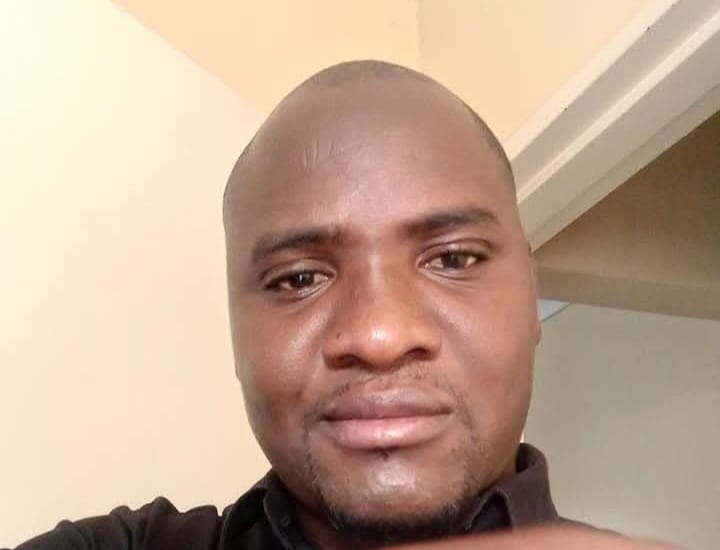
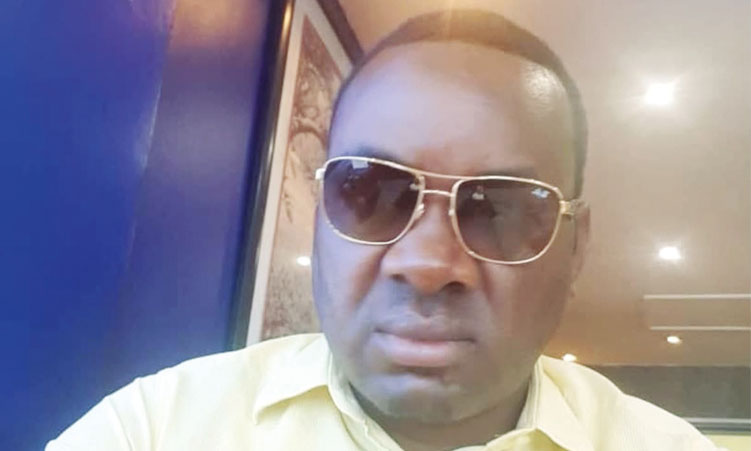
Gabriel Nambahu, who owns a pharmacy at Oshakati, appeared in the Oshakati Magistrate’s Court on Monday after his arrest on a charge of rape over the weekend.
The police say the incident took place at Ekuku at Oshakati in the first week of June.
They allege the woman, who had known Nambahu for about six years, visited his home after he invited her over for a drink.
She allegedly briefly left the drink Nambahu offered her unattended while going to the toilet.
Upon her return, she continued drinking and soon became dizzy, weak and unable to walk properly.
“She requested a room to rest and subsequently lost consciousness. It is further alleged that at around midnight, the victim regained consciousness in a bedroom and experienced pain and discomfort in her vaginal area.
“Upon confronting the suspect, he allegedly admitted to having had sexual intercourse with her,” the police say in their incident report.
The journalist has told the police the sex took place without her consent while she was unconscious.
The police say later in June, after missing a menstrual period, the woman took a pregnancy test which was positive.
She allegedly informed the suspect, who denied responsibility for the pregnancy.
According to the police, Nambahu later gave her Misoprostol tablets, telling her they were abortion pills, and told her how to use them.
After taking the tablets, the woman allegedly bled heavily for about three weeks. The police further say Nambahu arrived at the victim’s home with another man on 13 July, after her cousin contacted him about the journalist being pregnant.
“When requested to take the victim to the hospital, the suspect allegedly refused and became angry. He allegedly retrieved a firearm from his vehicle and warned the victim’s cousin not to disturb him again,” the police report reads.
The journalist sought medical treatment on 16 July, and the police say a sonar examination indicated that her uterus was empty.
She subsequently reported the matter to the police.
CONCERNS OVER MEDIA REPORTS
Namibia Media Trust (NMT) director Zoe Titus says the case raises concerns – not only about the alleged rape but also about how survivors of sexual violence are identified in media reporting.
This is in response to how the news was broken by a media house on social media.
“This case should trouble us on two levels at once: Firstly, and most importantly, a woman has survived a horrific assault, and our public conversation about it must start and end with her dignity and her right to heal without further exposure.
“Secondly, the way this story was reported exposes a policy blind spot we haven’t yet reckoned with. Our media code rightly bars identifying survivors of sexual violence without consent, but it never defines what identification actually means in a country as small as ours,” she says.
Titus says although the survivor’s name was not mentioned, she could still be identified because there are very few woman journalists at Oshakati, meaning such a description is enough for people familiar with the local media to identify her.
She says the case exposes a gap in Namibia’s protections for survivors of sexual violence.
Although the media’s self-regulatory code prohibits identifying survivors, Titus says it does not adequately address indirect identification in small professional communities.
“Our national gender policy talks about safety for women in the media purely in terms of training and representation. It says nothing about how survivors are protected once they become the subject of the story rather than its author.
“Here we have two frameworks, both meant to protect her, and neither one built to talk to the other. Until we close that gap, we will keep retraumatising the very women these policies claim to protect,” she says.