The San Chiefs Council and Damara King’s Council are demanding formal inclusion in Namibia’s ongoing genocide reparations negotiations with Germany, citing shared historical atrocities.
They say their communities were equally affected by colonial violence, displacement and forced labour.
The councils issued a statement yesterday in which they are demanding that San traditional leaders be given seats at the negotiating table alongside representatives of the Ovaherero, Nama and Damara.
The two bodies are chaired by chief Willem Aib.
“San communities were subjected to extermination campaigns historically referred to as ‘Bushmen hunting’, particularly after the 1904 to 1908 genocide period under German colonial administration,” he says.
The councils further call for reparatory justice, including compensation for the loss of ancestral hunting grounds, culture, language and traditional livelihoods destroyed during German colonial rule.
Aib says the reparations, restitution and the repatriation of human remains and artefacts should directly benefit affected descendant communities instead of being managed solely through the government.
Citing historian Robert Gordon’s research, Aib says many San survivors during the subsequent South African administration faced displacement, poverty and restrictions under oppressive labour and pass laws.
He says colonial policies stripped indigenous communities of land, livestock and freedom of movement, forcing many into dependency on settler-owned farms.
Aib says the suffering of the San has largely been sidelined in mainstream colonial discourse, despite evidence that communities such as the Kalahari San and Hai//om San were directly affected by general Lothar von Trotha’s extermination policies.
He appeals to the government to uphold the rights of San communities, including the right of self-determination and informed consent on matters affecting them.
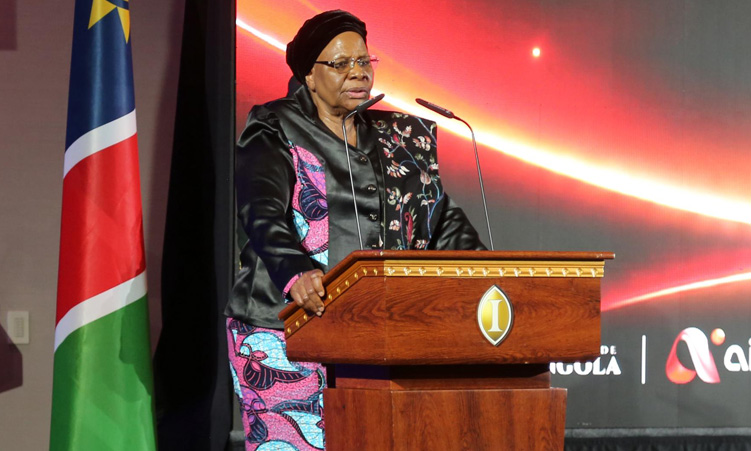
President Netumbo Nandi-Ndaitwah on Genocide Remembrance Day yesterday said the events of that period formed part of the foundation on which Namibia’s spirit of resistance and national consciousness was built.
“They inspired future generations in the long struggle for freedom and independence,” she said.
Nandi-Ndaitwah said the day is important not just for the Ovaherero and Nama communities, but for all Namibians.
“It is a national day of remembrance, reflection and learning, particularly for the younger generation, who must continue to understand the painful history that shaped our country,” she said.
Meanwhile, Damara cultural activist Bebe |Huseb criticised Khomas governor Sam Nujoma for commemorating the day in another region instead of attending events in Khomas.
In a letter dated 26 May, which The Namibian has seen, |Huseb says the governor’s absence undermined the significance of the occasion for the Damara community.
“We deserve to have our voices heard and our histories acknowledged.
You or any other Namibian cannot silence the winds of our Damara ancestry or suppress the truth of our forgotten and often ignored history,” he says.
Charles Eiseb, the lead negotiator representing the Ovaherero and Nama communities, says the commemoration at Lüderitz was held at Shark Island because of its historical significance as a concentration camp site.
He says the day recognises not only genocide descendants, but also the San and Damara communities.