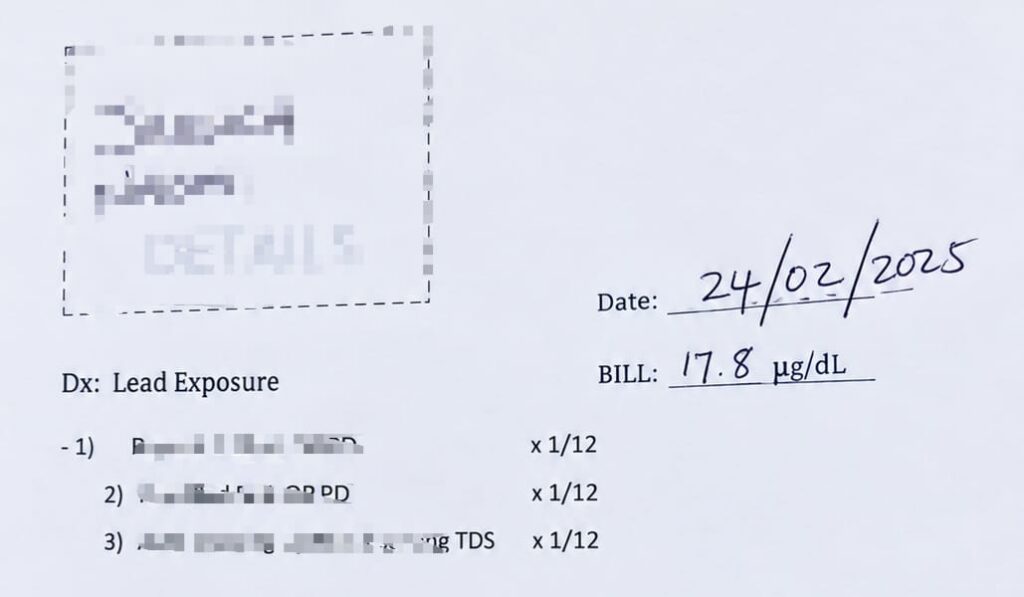
Years of living and working near the Rosh Pinah Zinc mine have left families grappling with lead exposure and serious health concerns, with one father saying his toddler was found with a blood lead level of 17.8 micrograms per 100ml of blood.
The Namibian visited Rosh Pinah one week ago, where we spoke to families who are complaining about lead exposure.
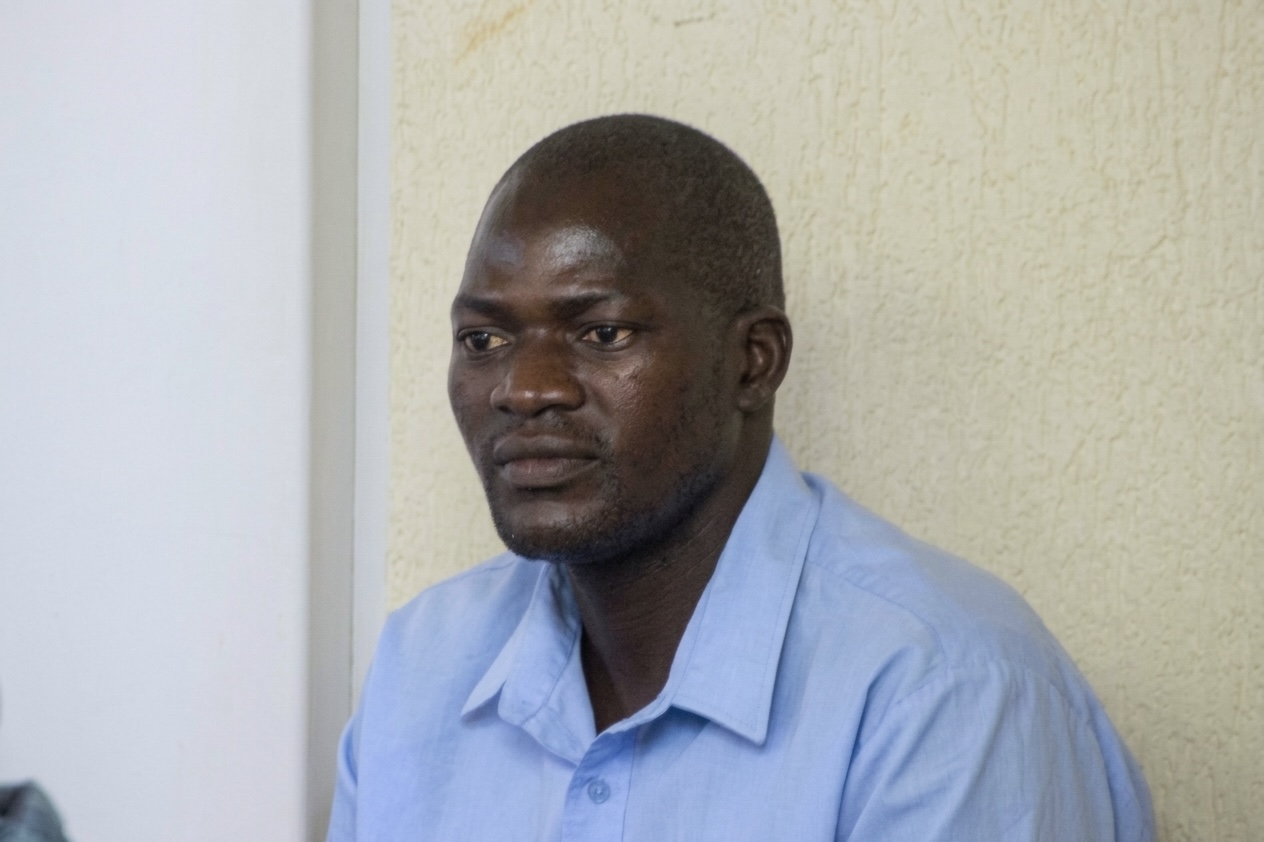
There, we met a father who worked at Rosh Pinah for 18 years.
The man spoke on condition of anonymity to avoid being victimised. He says he became concerned when his child stopped growing.
He paid for the toddler’s lead test himself after being told he could not be assisted because he was a private worker without medical aid.
Doctors’ letters seen by The Namibian show the toddler’s blood lead level was 17.8 micrograms per 100ml.
“The mine tells us 20 [micrograms per 100ml] of lead in your body is okay, but the doctor says anything more than five is dangerous,” he says.
The father says he spent about N$3 000 on supplements after receiving the result.
He later underwent his own test, which revealed his blood lead level was 18 micrograms per 100ml.
He now complains of memory problems, which he believes are linked to the exposure.
“It has affected my brain.
We are just talking here, and after you leave I will forget everything we spoke about,” he says.
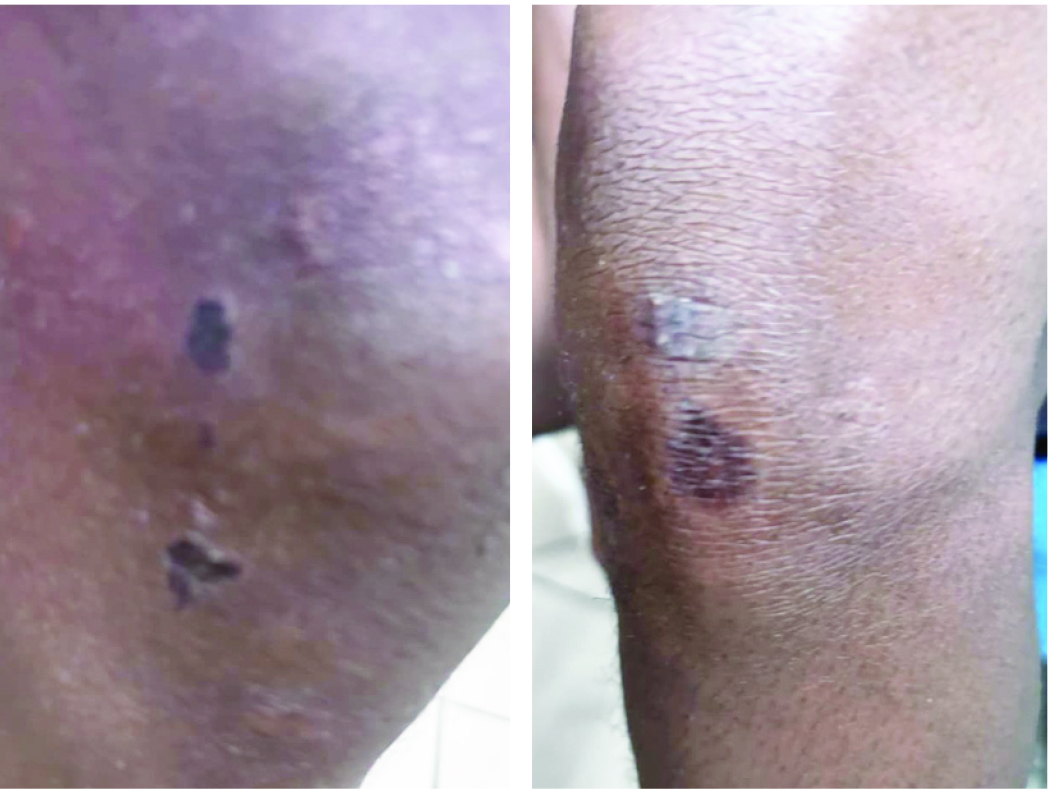
He says he has also developed scars on his neck, which he says a doctor associated with lead poisoning.
“I just want them to help my child. I don’t have money; I just have a few years until my pension, and then I retire,” he says.
The family eventually moved to a farm.
He says he cannot afford another test to establish whether the child’s levels dropped.
Other residents have similar concerns, although some say doctors have not established whether these conditions are linked to lead exposure.

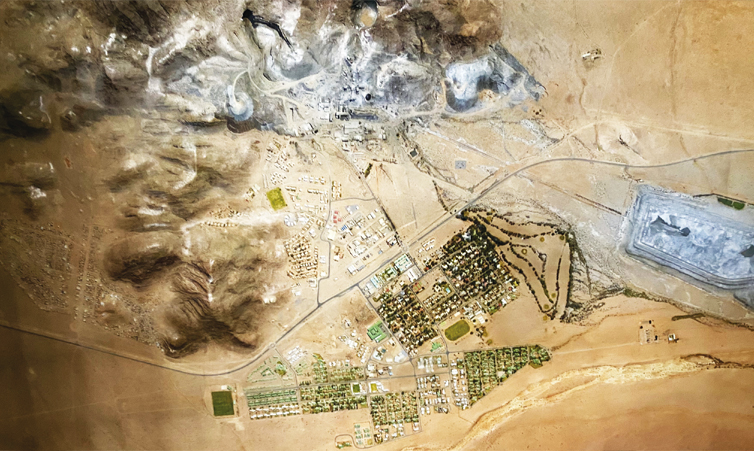
A woman (46) who lives about two minutes from the mine says two of her children have developed serious health problems.
Her eldest son (23) began complaining of an unusually fast heartbeat before collapsing twice this year.
Doctors took him to the Rosh Pinah clinic, then transferred him to Oranjemund and later to Windhoek. She says doctors could not establish whether his condition was linked to lead poisoning.
Her second-born son (17) developed kidney problems and underwent two procedures in Windhoek.
“My son has kidney stones,” she says.
She says he was also losing protein and muscle rapidly, shedding about 3.5kg in two weeks.
The woman says tests on her own blood subsequently revealed problems with her bone marrow.
Despite her concerns, she does not want the mine closed because of the jobs it provides. She instead wants families living closest to the operation relocated.
“I feel like we are not being heard, and every time we say something, then there is an excuse,” she says.
The families’ concerns come against a history of documented lead exposure at Rosh Pinah.
In 2023, then mines and energy minister Tom Alweendo confirmed that lead had been detected in the blood of 18 children living near the zinc mine.
The Ministry of Health and Social Services also confirmed 10 cases of chronic lead exposure among children aged between one and 12 that year.
The Namibian previously reported that a local doctor’s testing found a one-year-old child with a blood lead concentration of 25 micrograms per 100ml and a two-year-old with a concentration of 22 micrograms per 100ml.
‘TOXIC LEGACY’
Doctor Cornelia Ndifon of Stirling Medical Centre in Windhoek says lead poisoning is a serious health concern, particularly for people working or living near mining areas.
“Lead is not a new thing, and so the health system globally knows about the issues of lead,” she says.
Ndifon says prolonged exposure can cause anaemia, hearing problems, stunted growth, high blood pressure and kidney damage.
It can also affect reproductive health, she says.
Ndifon says mines should provide workers with appropriate protective equipment, while communities near mines should maintain strict hygiene practices and seek medical assessment when experiencing possible symptoms.
A community leader, who asked not to be named, questions the relationship between the mine and RoshKor Township, which manages the town.
He describes the mine’s ownership at RoshKor as a “red flag”, arguing that it could make it difficult for the township to challenge the mine.
RoshKor says residents are regularly advised on ways to reduce lead exposure, including washing their hands and keeping children clean.
MINE RESPONDS
Rosh Pinah Zinc mine (RPZ) says it is working with the health ministry on a lead management programme to address the environment from historical mining activity.
“The safety and well-being of our employees and the Rosh Pinah community is our highest priority, and free blood lead testing is available to all residents at the Sidadi Clinic.”
RPZ says dust fallout has decreased by more than 80% since 2023, while respirable ambient air quality remains within World Health Organisation guidelines.
Measures include dust suppression, land rehabilitation and monitoring of air, soil, dust and water.
The mine has also introduced “clean-in, clean-out” facilities aimed at preventing employees from carrying lead contamination home.
The Green Screen is a collaborative platform that strengthens evidence-based reporting and informed public dialogue on Namibia’s green transition and extractive industries. It is part of the European Union-funded Eco Dialogue Collective, implemented by DW Akademie, the NMT Media Foundation, the Institute for Public Policy Research (IPPR), and the Legal Assistance Centre (LAC).
This publication was produced with the financial support of the European Union. Its contents are the sole responsibility of The Eco Dialogue Collective consortium partners (DW Akademie, NMT Media Foundation, the Institute for Public Policy Research, and the Legal Assistance Centre) and do not necessarily reflect the views of the European Union.