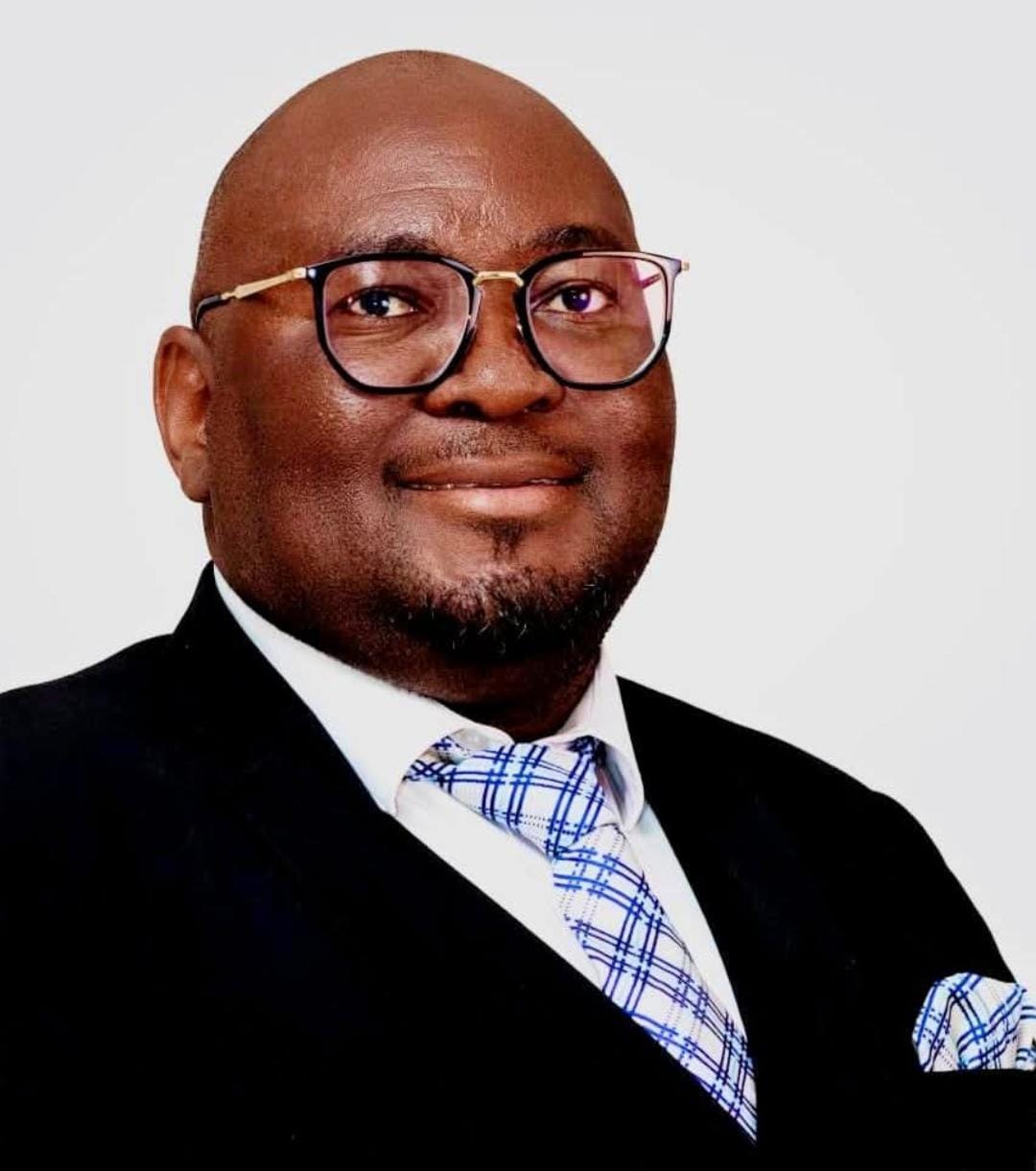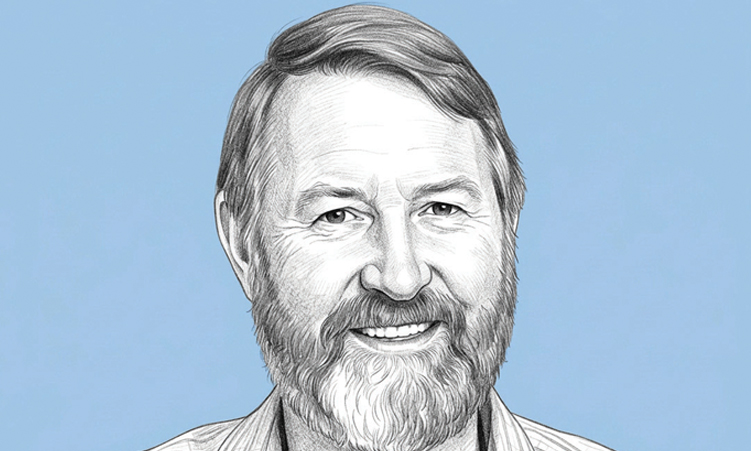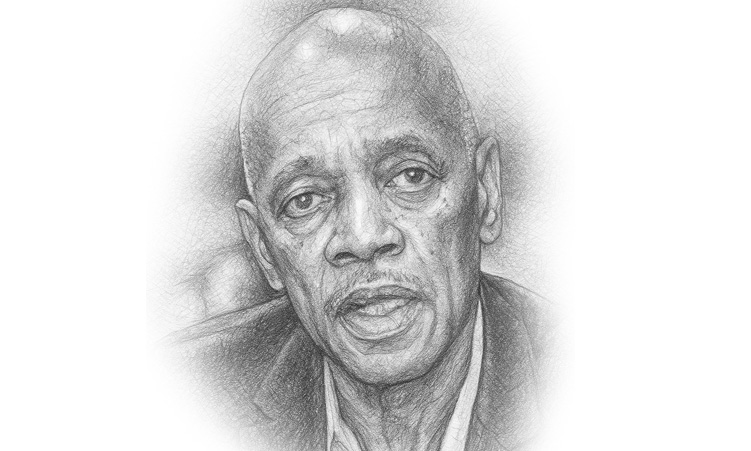
As fate would have it, Ras Sheehama died on 5 September and Jackson Kaujeua Junior on 7 September.
Death, by definition, is a ‘deconstruction’ so how can we talk of ‘reconstruction’ through the death of these two prominent Namibian musicians?
Both were ‘exile kids’ and, to a large extent, their music was shaped by that experience.
I cannot claim to have known either of them personally, therefore this is not a tribute.
Recently, the celebrated Nigerian writer Chimamanda Ngozi Adichie said something very interesting during an interview on CNN: “I have always been moved by the possibility of human connection.”
As a social cohesion activist, that has always been my motivation. My attempt to ‘reconstruct’ the lives of our two departed musicians must be understood against that backdrop.
REGGAE ROOTS
By ‘reconstruction,’ in this particular context, I mean trying to draw different ‘pieces’ from their lives to build a better Namibia.
For example, I do not think it is enough to say Ras Sheehama was the king of reggae music in Namibia, which he obviously was, without saying where and how that particular genre of music originated.
Reggae music originated in Jamaica in the late 60s and one of its prominent figures was the iconic Bob Marley.
Reggae is rooted in the history and struggles of the black race from Africa, the Caribbean, the United States, etc.
The legacy of Ras Sheehama must therefore be appreciated in that broad context.
THE BEAT OF HISTORY
Jackson Kaujeua Jnr’s genre can be described as deep house/afro remixes with a focus on Namibian cultural identity.
While guarding against ‘pushing’ him into his father’s shadow, you cannot ignore the impact his father’s music had on him.
Kaujeua Jnr took over the music mantle from his late father.
Jackson Kaujeua Snr’s voice echoed across Africa and Europe as he drummed up support for our independence struggle during the darkest days of our history. His music was shaped by historical events.
In his music, he could easily shuttle between Otjiherero, Khoekhoe, and Oshiwambo.
Although Kaujeua Snr’s home language was Otjiherero, he grew up in the South where he learned to speak Nama.
He was part of the Ovaherero community that was forcefully uprooted from the South by the apartheid colonial system and taken to the Otjinene constituency in the 60s; in accordance with the then Bantustan/Odendaal policy.
He later picked up Oshikwanyama in the Swapo camps as it was the lingua franca there.
INTERESTING TWIST
As Jackson Kaujeua Jnr’s remains arrived at Hosea Kutako International Airport a couple of weeks ago, one of the people on hand was Ngatu Nganyone.
He emotionally narrated how the two of them shared the stage as musicians.
However, the story of these two musicians has an interesting twist.
Apart from both being musicians, both were born to Ovaherero fathers and Aawambo mothers.
Ngatu Nganyone’s father was the late Kokauru Nganyone, who in the 70s served as the Peoples’ Liberation Army of Namibia’s regional chief political commissar at what was then known as the Eastern Front between Zambia and Namibia.
He later served as the first chief regional officer for the Kunene region after independence in 1990.
I was reliably informed that as the Nganjone children were growing up, they would speak Oshikwanyama to their mother and Otjiherero to their father, in equal measure.
I would like to believe Jackson Kaujeua Jnr was equally at home in both languages.
As Jackson Kaujeua Jnr’s mortal remains arrived at the airport, a woman in a traditional Ovaherero dress was shown on NBC TV weeping uncontrollably. I believe she was a close relative from his father’s side.
Shortly afterwards, a young man from the family’s Oshiwambo side announced the funeral arrangements.
Could the Namibian story get more exciting than that?
May the ‘battle cries’ of both Sheehama and Kaujeua Jnr reach a few receptive ears.
- Gerson Tjihenuna is a commissioner of elections. The views expressed here are his own and not those of Electoral Commission of Namibia.