





MORE than 105 000 households across Namibia received rice assistance in May as food security challenges continued despite a decline in acute hunger levels following drought recovery interventions.
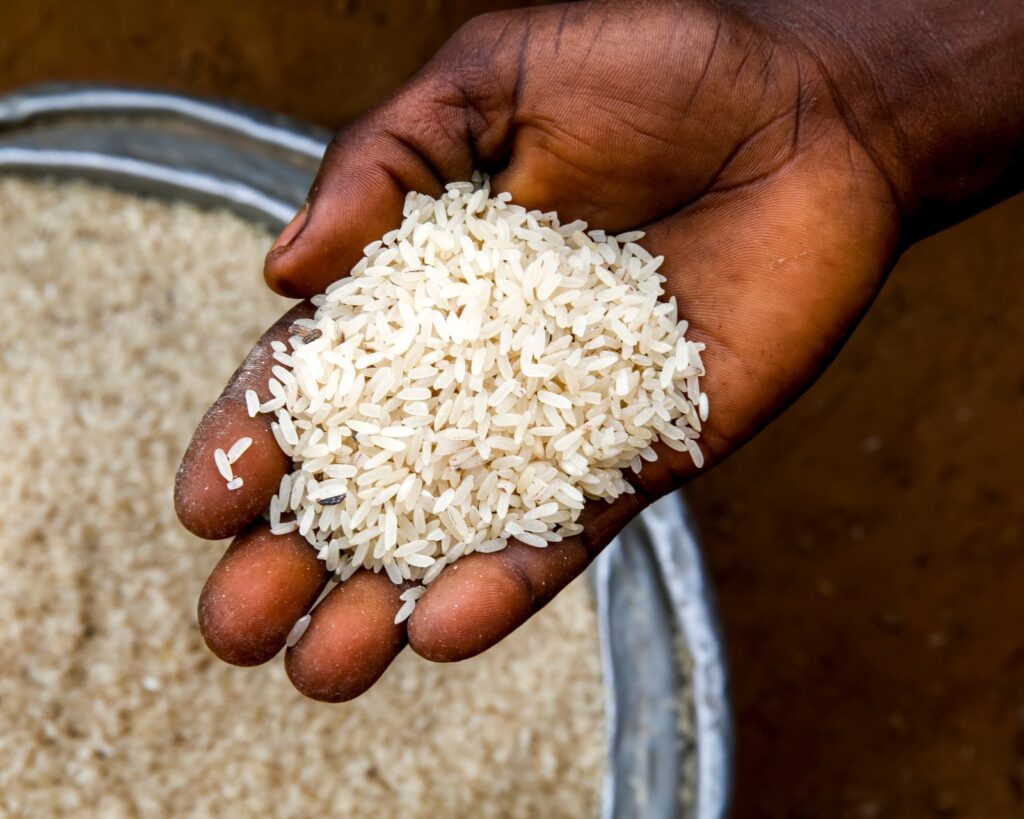
According to the World Food Programme (WFP) Namibia Country Brief for May, a total of 105 813 households benefitted from food assistance during the month, with 2 326 metric tonnes of rice distributed nationwide.
Women accounted for 53% of beneficiaries, while men represented 47%.
The WFP says the distributions form part of ongoing government-led drought relief efforts implemented through the Office of the Prime Minister’s directorate of disaster risk management, targeting vulnerable households affected by climate-related shocks.
The organisation warns that multiple economic and climate-related shocks continue to put pressure on vulnerable communities, keeping food assistance needs elevated even after the conclusion of the national drought response programme.
“Impact of multi-shocks continue to strain vulnerable households, with food-security needs remaining high even after the national drought-response programme ended,” the WFP says.
Despite these challenges, the organisation reported an improvement in Namibia’s overall food security situation, supported by better rainfall, government interventions and humanitarian assistance.
According to the Integrated Food Security Phase Classification analysis covering July to September 2025 and projected through June, an estimated 456 000 people were in need of assistance, down from 1.15 million during the previous assessment period.
The WFP attributes the improvement to coordinated drought response measures, nutrition-sensitive food assistance programmes and support from development partners.
Rice distributions funded by the Republic of Korea through its ministry of agriculture, food and rural affairs are expected to continue until December.
A total of 4 896 metric tonnes of rice, valued at US$3.6 million (about N$58.8 million), has been allocated to support drought-affected communities across all 14 regions, targeting 384 935 households.
By the end of May, 58 148 bags of rice weighing 40 kilograms each had been distributed, representing approximately 48% of the total consignment.
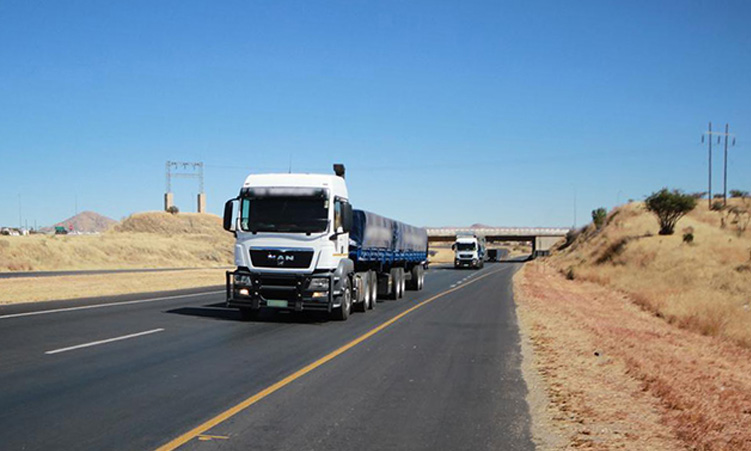
The WFP says implementation has faced challenges in some regions due to rising fuel costs and limited transport availability.
The organisation also highlights ongoing efforts to strengthen government capacity, including the training of 14 technical focal points on monitoring and evaluation systems aimed at improving programme delivery and accountability.
The WFP continues to support the Namibian government through its 2025-2029 Country Strategic Plan, which focuses on emergency preparedness, strengthening social protection systems, improving food systems and building resilience among vulnerable communities.