IN THE LAST couple of weeks, two men reportedly took their own lives just a few days before they were supposed to stand at the front of a church and announce their weddings.
Instead, they will be carried down the aisle in coffins. I don’t know the two gentlemen nor the reasons why they chose to end it all.
However I want to provide an opinion using my schoolmate, *Pezulu, as a case study.
Pezulu, a man of few words and a good heart, ended his life last year under the weight of expectations that no single man should carry.
Word has it that the pressure to fund an extravagant wedding was the final push. Some whispered about witchcraft – two women, one baby mama and one fiancée – (I don’t dispute this claim) but let it not be a distraction from the real issue: The toxic culture surrounding Oshiwambo weddings.
‘SHOW AND TELL’
In our floodplains communities, marriage is no longer about love or commitment. It has become a grand production.
It’s not enough to say “I do” under a tree with your family singing hymns.
You must feed 300 people, hire a drone photographer, dress every uncle in colour-coded attire and rent tents that cost more than most people’s annual salaries.
This is not tradition. This is performance under pressure. And it’s killing people – literally.
Pezulu was engaged to *Hilka-Anna, a high-powered corporate executive.
Before her, he spent seven years with Marin, the mother of his child.
Somewhere between love and obligation, he found himself drowning in logistics, quotes and cultural expectations.
The wedding had to “show”, they said. But what Pezulu really needed was a simple ceremony and peace of mind. He got neither.
His story may sound extreme, but it’s not isolated.
DUTY AND DISCOMFORT
Just ask *Liko and *Annely, a couple who tied the knot five years ago.
Their wedding? Legendary.
They spent more than N$240 000 on tents, décor, food and themed outfits for 100 uncles and aunts, most of whom they had never met before.
They funded it through an infamous Wedding Package loan from a local bank, and five years later, they’re still paying it off.
Still renting. Still in debt. Still working for a party that ended in 2 000-kululu (long ago).
Annely now drives alone every weekend to the village of Oniihwa to face in-laws who expect groceries like clockwork and sleeping in what’s referred to in bridal language as the ‘hostel’.
Her husband isn’t there. But tradition insists she must be, even when she’s treated more like a delivery driver than a daughter-in-law.
It’s not love. It’s cultural obligation dressed in duty and discomfort – seeing children peeping through the holes while frying eggs and tracing KFC or Hungry Lion boxes in the bin to chew the left-over bones on Saturday morning.
SALADS AND T-BONES
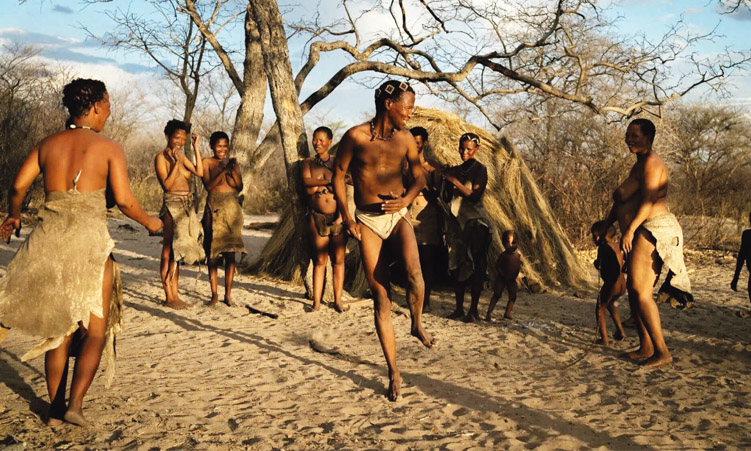
Seeing that we’ve lost the plot, I reached out to *Karumendu from the cattle country in the Omaheke region, and *Haingura along the banks of Okavango River about the lie of the land as far as weddings are concerned in their cultures.
And boy, did they school me on the finer points of weddings.
“We marry with dignity and intention – intimate gatherings, modest expenses and long-term planning!”
But our weddings have morphed into popularity contests: Who can hire the most entertainers, who can trend on Instagram for a weekend and whether or not cats and dogs will eat salad and T-bone respectively.
Meanwhile, the marriages themselves struggle to breathe under the weight of that one expensive day.
We need to ask: What are we really celebrating? And at what cost?
Do we want to keep burying our sons because they feel pressured to perform?
Do we want young couples like Liko and Annely to start marriage in a financial chokehold unable to build their dream home pooha dhopate (On the side of the road)?
Is this what our elders envisioned when they taught us about the binding love between two people and their families?
TIME TO CHANGE
Let us return to the core of marriage – unity, simplicity and sustainability.
Let’s teach our children that love doesn’t require a N$100 000 tent.
Let us allow couples to begin their journey in peace, not debt.
Before we lose another Pezulu. Before we drown another couple in loans. Before love becomes the most unaffordable thing in our culture.
- Ismael Uugwanga is a writer and social commentator based in northern Namibia. He writes about love, culture and the intersection of tradition and modern life. Views expressed here are his own.
- Not their real names.