MAQONDA NDLOVUWINDHOEK – The Namibia Rugby Union (NRU) recently launched its strategic plan for the 2020-2023 period, with the focus being good governance and accountability as a way of improving the sport in the country.
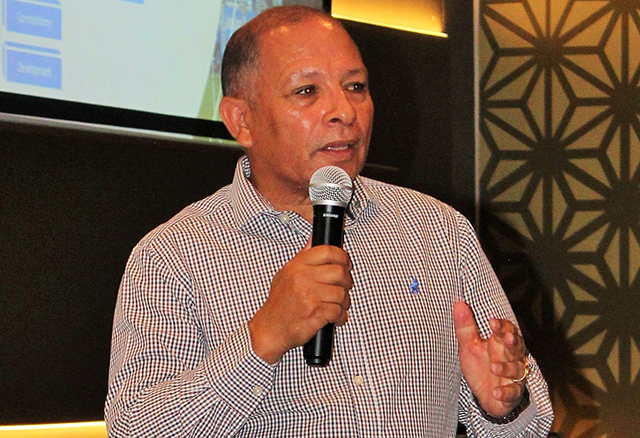
The event took place at a local hotel in the capital where NRU vice president, Walter Don, revealed that the rugby mother body had identified six values which they feel will help in improving the administration of the sport.
“We previously had five values, but we had to add one more, which is governance. This will be the central value system of our efforts, moving forward,” he added.
He noted that they want all role players to hold them accountable in everything they do.
Other values include integrity, passion, discipline, solidarity and respect.
The NRU has also come up with a governance structure which aims to clarify roles and responsibilities, while it will likewise see the NRU Council, which is made up of the clubs, being the highest decision-making body in Namibia.
The council will appoint a board of directors, who will be responsible for all the affairs of rugby at the operational level.
The structure will further see the office of the chief executive officer being the operational office, and the Namibia Rugby Company Limited, which will be 100% owned by the NRU, having the sole mandate to look for sponsorships.
Don stated that for the next Rugby World Cup scheduled for 2023, the NRU will go there with the aim of automatically qualifying for the 2027 finals by winning at least three matches instead of one.
These plans, he continued, will be filtered down to the clubs, and some changes will include having a level two coach, conditioning coach, referees as well as sevens and women’s teams. This will help the NRU secure funding and support from World Rugby.
Some of the plans will entail several projects, like taking rugby to all demographics in the country, competing in more tests, and improving the talent identification and player welfare programmes, amongst others.
The plan will be made public as soon as it is approved by the NRU Council, and sent to World Rugby and Africa Rugby, as well as local and regional stakeholders, for further engagement.
– Nampa