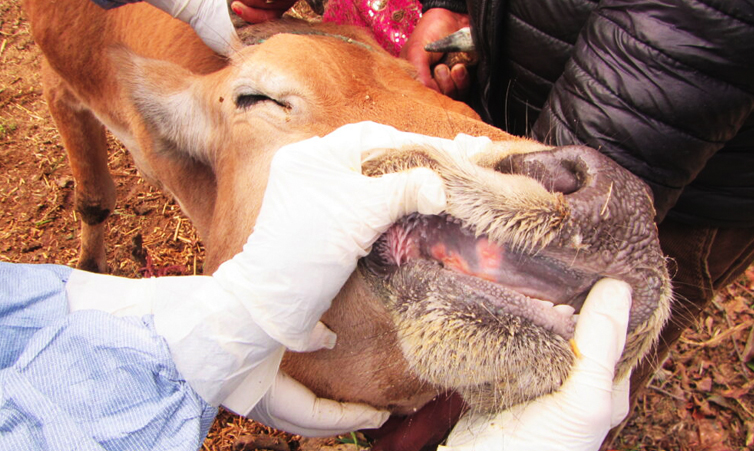
How Namibia got here
•November 2025: FMD preparations begin –The government and the livestock industry started raising money to prepare Namibia for possible foot-and-mouth disease (FMD) outbreaks.
•February: Namibia goes on high alert as FMD outbreaks in neighbouring countries raise concerns. Namibia increases surveillance and prepares farmers for a possible outbreak.
•26 February: FMD fund launched. The government, farmers’ unions and the livestock industry launch an FMD Support Fund and National Task Force. The fund aims to raise N$60 million.
•March: Botswana restrictions introduced. Namibia restricts livestock and animal products from parts of Botswana following FMD outbreaks in that country.
•June to July: Border fence fast-tracked. The government moves ahead with plans for a 185km veterinary fence along parts of Namibia’s border with South Africa to reduce the risk of animal diseases crossing the border.
•22 September: FMD suspected in ||Kharas – Eleven head of cattle showing signs of FMD are tested at a commercial farm in the Karasburg area.
•23 September: FMD confirmed. Tests confirmed that 10 of the 11 head of cattle tested positive for FMD. The government responds by stopping the movement and sale of cloven-hoofed animals across the country. Slaughtering and imports and exports are also suspended.
•22 to 25 September: Testing expanded. A total of 199 samples are collected from the ||Kharas, Khomas, Omaheke, Otjozondjupa and Oshana regions. Seventeen samples test positive, all from the Karasburg area.
•27 September: Some restrictions lifted. After further testing, the government starts relaxing restrictions in areas where no FMD cases have been detected.
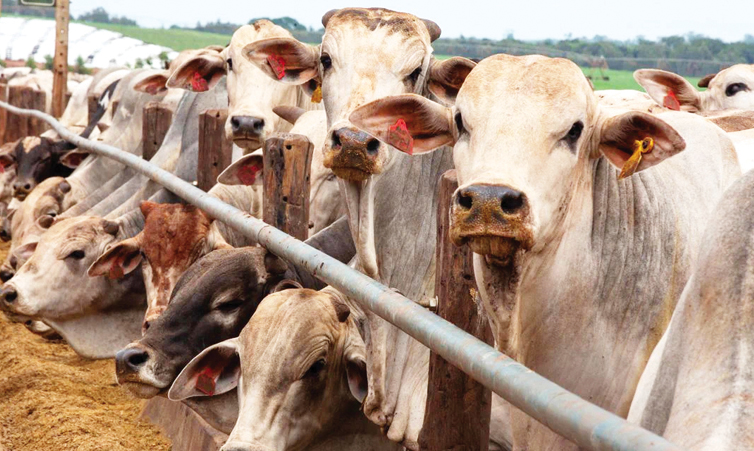
WHAT HAS CHANGED
North of the veterinary cordon fence:
Movement restrictions within the northern area have been lifted.
Cooked meat, pasteurised milk and butter can again move south of the veterinary cordon fence under normal veterinary rules.
Some restrictions on moving live cloven-hoofed animals across the fence remain.
South of the fence, except the ||Kharas region:
Some livestock movement and slaughtering can resume.
Livestock can move directly to abattoirs for slaughter, but farmers need veterinary permits. Animals must also be clinically examined and test negative for FMD.
Registered abattoirs may slaughter animals that have been isolated for 30 days and tested negative.
Raw meat already at registered abattoirs, butcheries and cold-storage facilities can be moved if its origin can be proven.
People can also transport meat bought from shops or butcheries if they have proof of purchase.
WHAT CAN MOVE COUNTRYWIDE
These products can again be moved and traded:
Cooked and processed meat
Pasteurised milk and milk products
Hides processed to wet-blue stage
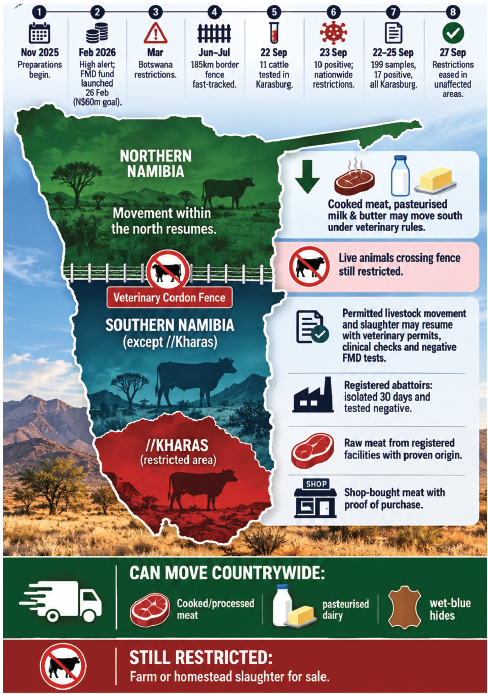
WHAT IS STILL RESTRICTED
Farm or homestead slaughtering for sale remains prohibited
The 27 September notice did not announce the resumption of livestock auctions or international livestock and meat exports.