



The sacred fire is a symbol found in indigenous cultures across the globe. Flames leap, communities gather and the veil between the spirit world and the land of the living glimmers and thins.
In ‘Okuruwo – The Tale of the Holy Fire’, a new Namibian film written by Tekla Nakale and directed by Elizabeth Hamukwaya, the sacred flame ignites wisdom, illuminates legacy and shines a light on the gulf between tradition and modernity.
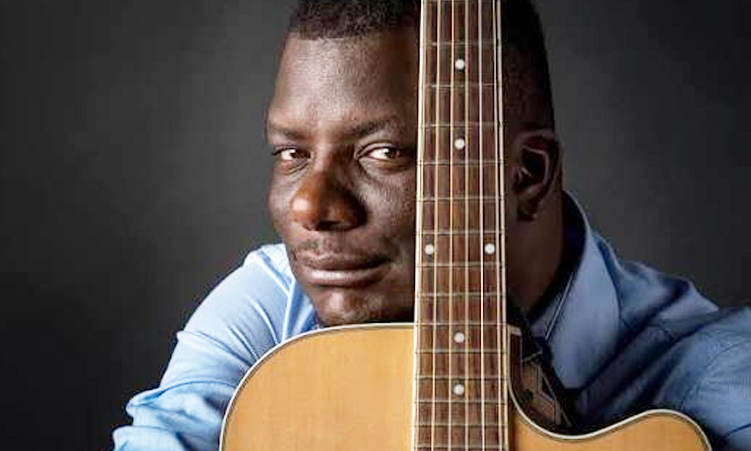
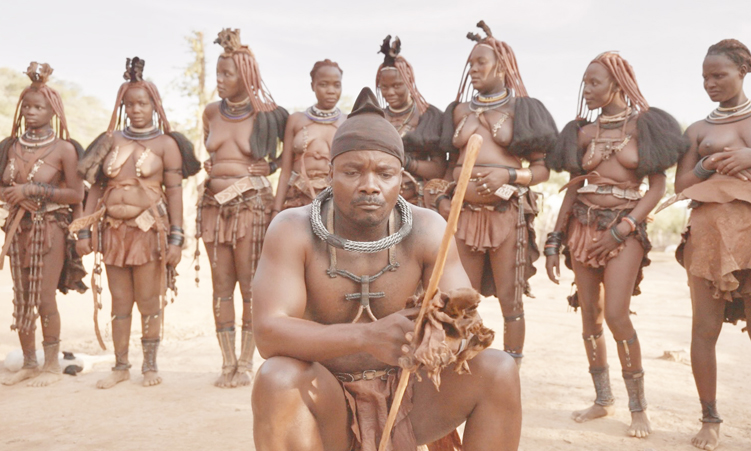
Starring Belly Kasaona and Vetunjona ‘West’ Uarije, the film follows a young Himba man named Otja who lives a modern life away from his village. When his father dies, culture, responsibility and duty call, primarily through the voice of his uncle, Rukoro.
Otja’s uncle is a traditional man who fears the loss of their indigenous beliefs as the younger generation moves further away from their culture.
After its June debut at Opuwo, ‘Okuruwo’ will have its Windhoek premiere featuring a performance by Stakes Boy at the University of Namibia (Unam) Main Campus (PK2) at 18h30 on Saturday, 3 October. The film was funded by the Namibia Film Commission and the university screening will be held in partnership with the Unam Otjiuana Cultural Society.
“Okuruwo refers to the sacred Holy Fire, it serves as a spiritual connection between the living, their ancestors and the family lineage. The culture depicted in the film is Ovahimba culture in the Kunene region, and it is told mainly in Otjiherero,” Nakale says.
“The film explores the tension between tradition and modernity through a personal story about grief, identity, family and belonging. It asks whether we as people can embrace the future without losing our connection to where we come from.”
‘Okuruwo’ was filmed at the Himba Living Museum at Omungunda village at Okondjuarije and at Epupa Falls at Epupa village.
“I grew up at Opuwo, and whenever I went home for the holidays, I would watch how people interacted with the okuruwo and how much respect the elders placed on it. I was always a very curious and imaginative child, so I constantly asked questions about the traditions and practices I saw around me,” Nakale says.
“Later, when I started learning more seriously about storytelling at the MultiChoice Talent Factory, one of the lessons that stayed with me was that some of the strongest stories are the ones closest to home. The ‘Okuruwo’ story then became that story for me.”
Nakale says she knew the environment and understood many of the practices, and where she didn’t know enough, she consulted community members and elders.
“What I did not expect was how much the process would also transform me personally. Writing and producing the film made me look at traditions I had grown up seeing with a different level of respect,” Nakale says.
“I found myself asking more questions, listening more to elders and appreciating the importance of preserving knowledge that can so easily disappear when we stop paying attention to it,” she says.
“This story is close to my heart because I love telling Namibian stories, especially stories that allow us to represent ourselves through our own voices. For me, this film was not only an opportunity to tell a story I had always wanted to tell, but also a journey of reconnecting with it, learning from and valuing the culture around me.”
Having grown up in the area and acutely aware of how indigenous knowledge can be misconstrued as backward, at odds with Christianity and even as witchcraft, Nakale says the production strived for authenticity.
“Authenticity was very important to me and my team. As a creative, lack of authenticity and misrepresentation in films bothers me so much. I find it quite disrespectful, actually. That is why we did extensive primary research, visited the locations before filming and shot and worked directly with people from the community,” Nakale says.
“Local people were involved as extras, and as cultural contributors who helped us correct and strengthen details on set. We also created much of the music specifically for the film with artists such as West Uarije and Big Ben,” she says.
“‘Okuruwo’ was never made just for the aesthetics. We understood the responsibility of representing a living culture and wanted every element, from language and location to music and casting, to feel as truthful and respectful as possible.”
Alongside this attention to cultural detail, Nakale says there is also plenty to look forward to from lead actors Kasaona and Uarije.
“Belly brought a lot of ‘city man’ and tension to Otja. He really gave that feeling of someone who is trying to move forward with his life but he is being pulled back toward something he does not fully want to accept,” Nakale says.
“West Uarije played a huge role in bringing the story to life beyond just acting. He questioned things, helped with translations, music, and sometimes added his own words to give the dialogue a more natural rhythm and depth, the kind of elements you won’t find in a typical written script. That contribution made Rukoro feel very lived-in and authentic,” she says.
“What I love most is that both performances allow you to understand their characters, even when they are standing on opposite sides of the same conflict.”
Nakale encourages anyone who is curious about Namibian culture to attend the ticketed (N$80) screening at Unam. Attendees are invited to “come dressed in your heritage”.
“We are such a diverse country, and sometimes we think we know each other’s cultures simply because we live alongside one another, when, in reality, there is still so much we can learn from each other,” Nakale says.
“Stories like ‘Okuruwo’ matter. We need to document, explain and preserve our own heritage while the people who still carry that knowledge are here to teach us. Sometimes, we look elsewhere for inspiration when there is so much richness right here at home,” she says.
“My biggest hope is for every Namibian to watch ‘Okuruwo’ and feel proud of our stories, our languages, our cultures and what we are capable of creating.”
Follow @okuruwo_film on social media for ticket sales and to learn more about this film.
– martha@namibian.com.na; Martha Mukaiwa on Instagram; marthamukaiwa.com