





Environment and tourism minister Indileni Daniel says drought should no longer be managed merely as an emergency, but as a priority for development, economic growth and resilience.
Daniel made the call last week at a high-level meeting on drought and water held at the 17th Conference of Parties to the United Nations Convention to Combat Desertification (UNCCD), which ended in Ulaanbaatar, Mongolia, on 28 August.
Daniel said the conference must move parties to the UNCCD beyond mere commitments to actual implementation – shifting away from reacting to drought, managing losses and vulnerability, and instead focusing on preparation, resilience and building economies that can withstand future shocks.
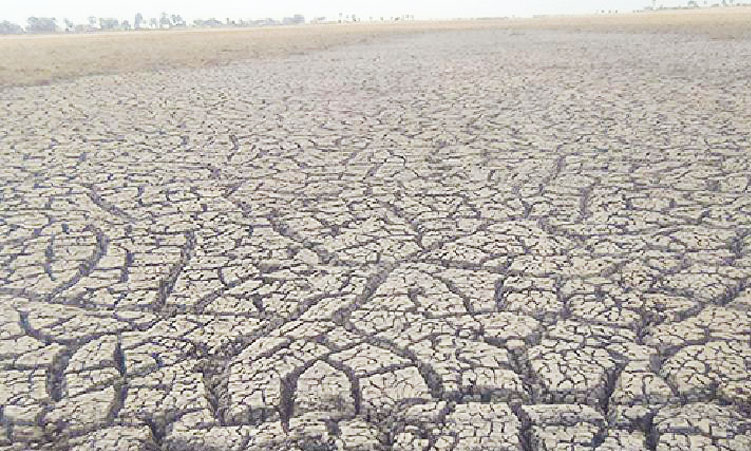
She said as one of the driest countries in sub-Saharan Africa, Namibia continues to experience rising temperatures, highly variable rainfall and prolonged droughts.
“These shocks affect agricultural production, water security, human health, rural livelihood and national economic growth. More than one million people can be exposed to food insecurity during severe droughts. Our experience has taught us an important lesson. We cannot continue responding to drought only after a disaster has struck. We must invest before the crisis,” Daniel said.
She said Namibia, together with the African Union and the UNCCD, hosted the first African Drought Conference in 2016, which produced the Windhoek Declaration for Enhancing Resilience to Drought and the strategic framework for drought risk management and enhancing resilience in Africa, advancing the vision of a drought-resilient and prepared Africa. Today, she said, that vision is more urgent than ever.
According to Daniel, Namibia is advancing land restoration through the Great Green Wall Initiative and strengthening resilience across the country’s rangelands.
“With 85% of land as rangelands, Namibia’s pastoral communities are highly vulnerable and this project aims to empower them with financial protection. But national action alone will not be enough. Drought does not respect institutional boundaries and working in silos will not build the resilience we need. Only coordinated and collective action can deliver lasting solutions,” said Daniel.
She added that there is a need for stronger partnerships, predictable climate finance, investment in drought-resilient infrastructure, innovative risk-financing instruments and meaningful private-sector participation.
Namibia is an active party to the UNCCD, which is one of the three multi-lateral environmental agreements adopted at the 1992 Rio Earth Summit.