Namibia has not yet paid its contribution towards a regional centre tasked with strengthening the fight against illegal fishing, with the country expected to pay US$30 000 (about N$500 000) for 2024, 2025 and 2026.
The Ministry of Agriculture, Fisheries, Water and Land Reform has confirmed that Namibia has not made its annual US$10 000 (about N$161 000) contribution to the Southern African Development Community (SADC) Monitoring, Control and Surveillance Coordination Centre (MCSCC).
The ministry says the contribution applies retrospectively from 2024, meaning Namibia is expected to pay US$10 000 for each of the three years.
The ministry received a formal request for the contribution earlier this month and says the matter is currently receiving attention in line with government processes.
The centre is headquartered in Katembe, Maputo, Mozambique, and was inaugurated on 11 June.
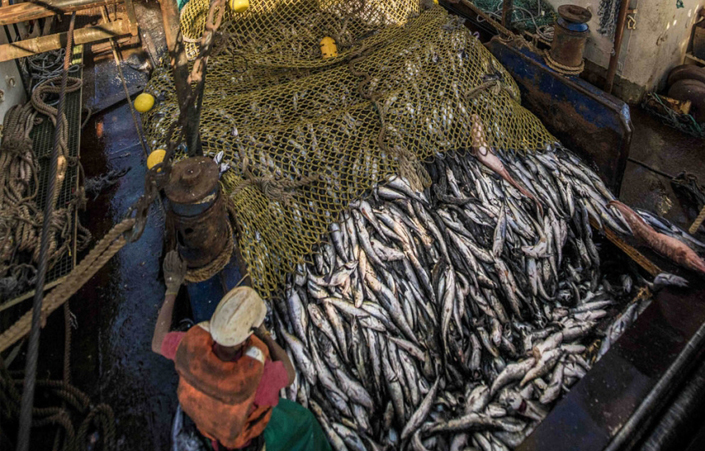
The centre is intended to strengthen fisheries monitoring, control and surveillance across the SADC, particularly in the fight against illegal, unreported and unregulated fishing and fisheries crimes.
Despite not having made the financial contribution, Namibia has supported the centre through what the ministry describes as “in-kind” contributions.
The ministry says this includes Namibia’s nomination and endorsement of the current centre chairperson, who is serving a second term following a two-year extension of the tenure.
The funding issue comes as the centre’s board chairperson, Stanley Ndara, calls on SADC member states to urgently make their contributions.
“States parties are encouraged to contribute an annual amount of US$10 000,” Ndara said during the fifth MCSCC board meeting in Maputo this month.
He said the centre’s current financial situation was unsustainable and that additional partners were needed to support its operations.
“Furthermore, we must vigorously seek additional partners to assist us in meeting our obligations, as our current situation is unsustainable,” he said.
The funding challenge is also affecting the centre’s ability to recruit staff.
Ndara said once adequate funding was secured, the centre would need to recruit a core team to enable it to become fully operational.
“Once we secure adequate funding, it will be essential to recruit a core staff to enable the full operationalisation of the MCSCC,” he said.
The centre is expected to improve cooperation and information sharing among SADC member states, including in monitoring fishing vessels and responding to fisheries crimes.
For Namibia, the regional initiative is significant as the country has a large fishing industry and relies on its marine resources.
Ndara, who is also the chief executive of Namibia’s Fisheries Observer Agency, during the meeting described the centre as a “beacon of hope” in the region’s fight against illegal, unreported and unregulated fishing and fisheries crimes.
The ministry did not provide a date for when Namibia’s contribution would be paid, saying the matter is being handled through the applicable government processes.
The MCSCC board meeting was reviewing the centre’s operations, progress in implementing its services, and decisions taken by SADC ministers responsible for agriculture, food security, fisheries and aquaculture.