Namibia and US race to finalise HIV funding talks as data-sharing debate continues
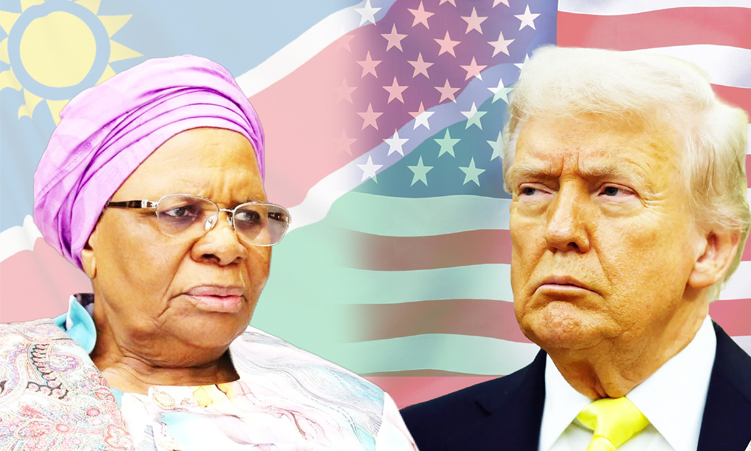
The Namibian government and the United States (US) are racing against time to finalise negotiations over new health sector funding, which will determine the future of HIV funding in the country.
The government has a few weeks before the US’ budget appropriation at the end of next month.
Namibia is currently receiving around US$45 million (about N$730 million).
The two governments have been in talks since US president Donald Trump’s return to power last year.
His administration has dismantled key donor organisations such as the United States Agency for International Development (USAID) and introduced the America First Global Health Strategy.
It aims to bypass non-profit organisations and provide direct funding to African and Latin American governments.
However, many recipient countries see the deals as exploitative, tying health aid to data access and critical minerals.
‘MISUNDERSTANDING’
A US government source insists that negotiations with Namibia do not include the sharing of personally identifiable data and that there appears to be a misunderstanding or misinterpretation of the proposed agreement.
The source insists the US will only collect aggregate data, a system that has been used in the past to account for financial assistance programmes.
The same person says there is a sentence in the proposed agreement that clearly states Namibia would not have to share personally identifiable data.
The Namibian could not verify whether this sentence is part of the agreement and how the US government would monitor the effectiveness of programmes without requesting personal information.
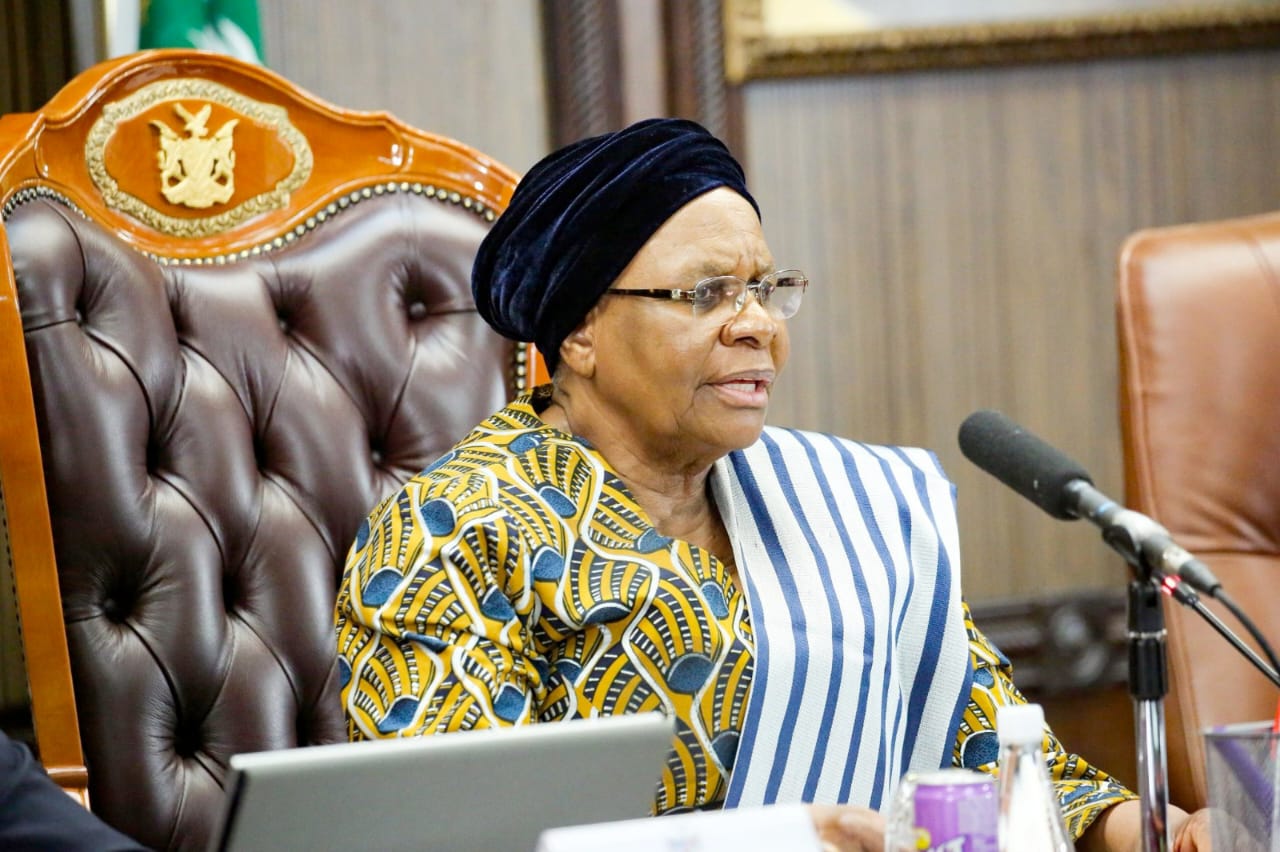
President Netumbo Nandi-Ndaitwah has reportedly informed the Cabinet that she opposes the sharing of patients’ health and medical information, although she remains keen for Namibia to secure the health funding.
“Namibia is a sovereign state, and any decision of this nature will be guided by the national interest and the interests of the Namibian people. Naturally, matters concerning data sovereignty, the protection of sensitive personal information and Namibia’s control over its data are important considerations in any agreement of this nature,” presidential spokesperson Jonas Mbambo told The Namibian yesterday.
Mbambo said negotiations on the proposed agreement are ongoing.
“It would therefore be premature to comment on the president’s position or to prejudge the outcome of those discussions,” he said.
A Cabinet minister said the health ministry has been directed to look into a N$700 million contingency budget to take up the affected programmes if the government fails to reach a deal with the US in time.
The negotiations have been tightly guarded by officials involved in the talks.
Some are in support of other agreements with the US, claiming it would sustain the HIV funding programme that has been touted globally for its success.
Other ministers are said to be pushing against the agreement.
Executive director of health and social services Penda Ithindi says the ministry would comment once negotiations have been finalised.
“We are not at a stage where we can give the information,” he says.
Ministry of International Relations and Trade spokesperson Rosalia Uushona could not provide comment by the time of going to print.
US embassy spokesperson Ryan Bradeen yesterday said Namibia and the US are still discussing the future of health assistance.
“We are unable to provide a response at the moment because of the timing of the request. It is a critical moment at which the Namibian and US governments are still discussing future health assistance,” he said.
Several news outlets report that data and pathogen samples are often used for outbreak surveillance and pharmaceutical research.
A Namibian source familiar with the negotiations says the required data would enable the US government to measure Namibia’s progress towards the Joint United Nations Programme on HIV-AIDS’ 90-90-90 targets.
These targets aim for 90% of people living with HIV to know their status, 90% of those diagnosed to receive antiretroviral treatment, and 90% of those on treatment to have suppressed viral loads.
A US government source, who has declined to be named, rejects suspicions that the government would require patients’ personal information.
“At no point was there personal identifiable information requested/involved. We have zero interest in getting names. Standard reporting would be requested,” the source says.
Independent Patriots for Change member of parliament and shadow health minister Lilani Brinkman in March questioned minister of health and social services Esperance Luvindao about concerns over the sharing of medical data.
Brinkman said reports suggested some of these new agreements may include conditions related to co-financing, data sharing, and the prioritisation of faith-based health providers.
She said it is necessary that the parliament is fully informed.
Brinkman at the time questioned whether the government had been formally or informally approached by the US government regarding any new bilateral health funding agreements under its revised global health strategy.
“If so, what are the key terms and conditions proposed? Have any discussions included provisions requiring the sharing of Namibian health data, surveillance information, or biological materials?” she asked.
The ministry has not yet provided a response to Brinkman’s questions.
Brinkman yesterday told The Namibian she is concerned about the issue of data exchange.
“We are a sovereign country, and the health data of Namibians cannot be treated as a bargaining tool for donor assistance,” she said.
Brinkman said the government must start taking greater responsibility for financing essential health programmes instead of continually relying on donors.
“The ministry itself has reported significant savings – about N$221 million in the first phase of direct procurement by cutting out intermediaries. My question is therefore: Where is the concrete plan to use our own resources to protect critical HIV and TB programmes and reduce our dependence on external funding?” she asked.
She said the government should protect the interests of Namibians.
“My position is clear: Protect Namibian health data, protect our patients, and use our own resources more effectively to sustain essential health programmes,” she said.
‘OWN AFRICA’
Former health minister Richard Kamwi yesterday said he supports the government’s decision to reject the sharing of personal data if it’s true.
“I have read the issue about this and I think the time has come as Africans that we should own Africa, everything we have including our health should not be detected and be intimidated,” he said.
“We need to reserve our data and no one has the right to get a sovereign state to be used for other things, except for the World Health Organisation, the Cabinet, and having the mandate to do so.
“The issue of sending our data for the Global Fund is sovereign and they do not have authority, because the data belongs to the Namibian people. I stand with the government,” he said.
The US government has been under fire across Africa for using data sharing as a bargaining tool in countries like Zimbabwe, Zambia and Kenya.
Nick Mangwana, the secretary for information, publicity and broadcasting services in Zimbabwe, says the proposal had raised concerns regarding sovereignty and fairness.
“At its core, the arrangement was asymmetrical . . . In essence, our nation would provide the raw materials for scientific discovery without any assurance that the end products would be accessible to our people should a future health crisis emerge,” he says.
US secretary of state Marco Rubio in a 2025 document titled ‘America First Global Health’ says the health assistance programme to foreign countries will be a mechanism to strengthen bilateral interests around the world.
“Moving forward, we will use our health foreign assistance to advance US priorities and move countries towards resilient and durable local health systems.
“We will also partner with each country to ensure there are data systems in place that can both monitor potential outbreaks and broader health outcomes.
“We will ensure these systems are integrated into the long-term health information systems of a country so that we can monitor outbreaks and health outcomes well into the future,” he said.