




Dorado Valley street vendors face severe financial losses and poor conditions following their stock being confiscated and their relocation to a low-traffic site.
They claim municipal officials confiscated their stock in July, including fruits and vegetables, some of which were returned rotten days later.
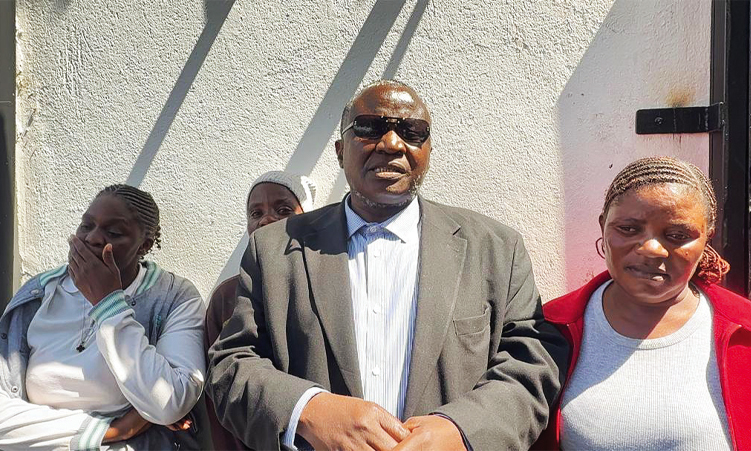
Karolina Mundila says her concern with the City of Windhoek’s new trading site is whether she will be able to sell her stock at all.
Mundila, one of several street vendors who were relocated from the corner of Dr Kuaima Riruako and Hendrik Witbooi streets at Dorado Valley, says she has been unable to work since her goods were confiscated in July during a municipal enforcement operation.
When she could eventually collect her goods, she says some of the fresh produce had gone bad.
“When I went to go get my products, most of them were rotten,” she says.
Mundila is now among vendors asking the City of Windhoek to reconsider the trading site allocated to them at R13 Kuaima Riruako.
‘BARELY MAKING A PROFIT’
Katutura Residents Committee chairperson Benestus Kandundu says the vendors had built up a customer base at the old location, while the new site has limited customer traffic.
“The vendors are barely making a profit at the new site,” he says in a letter to City of Windhoek chief executive Moses Matyayi.
According to the committee, the vendors are particularly vulnerable because many sell fresh fruit and vegetables, which depend on regular customer traffic and suitable conditions.
Mundila says the loss of income has affected her household.
“From 27 August up to today I did not work. So I’m suffering. My family is also suffering. My children are suffering,” she says.
She says she has in the past tried to show officials her trading permit when her goods were confiscated, but claims it was not checked.
The vendors were later issued temporary informal trading permits but were instructed to operate from the new site.
Mundila says she is unhappy with the site and adds that there are a lot of shebeens, drunken people and safety issues.
Another vendor, Lavinia Frans, says the disruption has left her struggling to provide for her children.
“Please, I’m very hungry in the house. I have nothing to eat as a result of the City of Windhoek. They claim we need to start our own businesses and when we do, they chase us away,” she says.
Frans says she has been depending on selling potatoes, tomatoes, bananas and other fresh produce to put food on the table.
She says her goods were also taken and later lost. “I was trying to sell my potatoes, tomatoes, and bananas. But they take all my good things. My things end up rotten and even lost.”
Frans says the loss of income has affected her children’s ability to attend school.
“My children end up no longer going to school because I can’t pay for them.”
Kandundu says the vendors are willing to comply with conditions relating to cleanliness, hygiene, waste management, operating hours, public conduct, stall arrangements, inspections and safety.
The committee has also submitted a petition signed by residents in support of the vendors, as well as a letter of consent from a person whose property was previously used to store the vendors’ goods.
It has asked the city to physically inspect the current site before making a decision.
Kandundu says such an assessment would allow municipal officials to see the conditions vendors are expected to work under first-hand, including the lighting, bushes, accessibility, hygiene and visibility to potential customers.
The City of Windhoek has confirmed that the matter is under consideration.
City spokesperson Harold Akwenye says the affected traders submitted a written request to the municipal council on 1 September regarding the trading site allocated to them.
“The matter is currently receiving internal consideration by the City of Windhoek,” Akwenye says.
He says the city will assess the concerns raised, including the suitability of the current trading site, and consider the request in accordance with applicable processes and requirements.
“Appropriate feedback will be provided to the concerned parties once the internal consideration has been finalised,” Akwenye says.
The city says it remains committed to addressing concerns raised by traders and residents through the appropriate institutional processes.