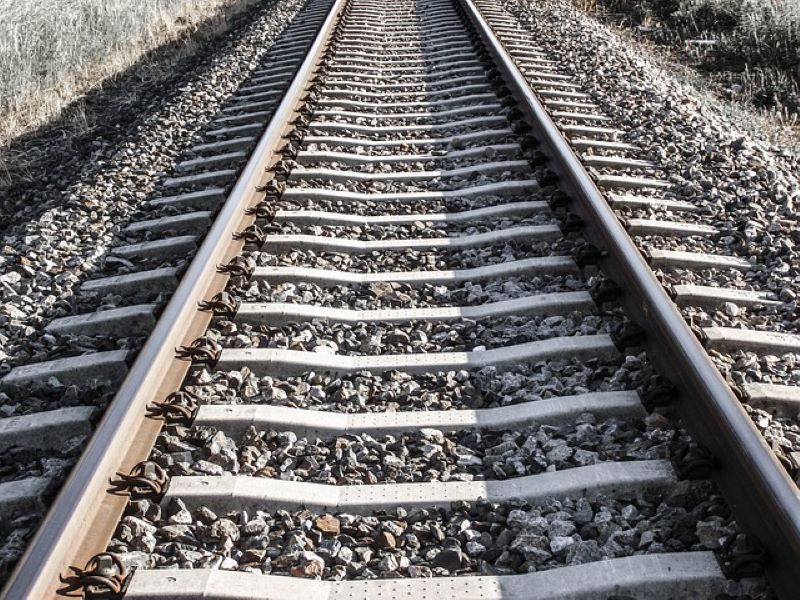
Despite a N$1.17-billion investment, TransNamib’s northern railway line faces severe infrastructure challenges, prompting government demands for immediate board accountability over frequent derailments.
The company says its northern railway line carries building sand, cement, diesel, petrol and containers, but still faces infrastructure and capacity challenges.
This comes after about N$1.17 billion was invested in the railway that runs from Tsumeb through Ondangwa to Oshikango at the Angolan border.
According to media reports, phase one, from Tsumeb to Ondangwa, cost about N$841 million, while phase two, from Ondangwa to Oshikango, cost about N$329 million.
TransNamib spokesperson Alina Garises says the company is still dealing with challenges that affect the growth of freight on the northern line.
“These include the need for ongoing rail infrastructure upgrades, current limitations in rolling stock capacity, and the absence of fully enabling regulatory mechanisms to support a more accelerated shift of bulk and break-bulk cargo from road to rail,” she says.
She says TransNamib continues to make progress, but is taking a phased approach to growing freight on the route.
Garises says rail investment is measured by how it improves operations, increases freight volumes, improves customer service, and supports the company’s long-term financial sustainability.
“The northern line transports a range of key freight commodities, primarily including construction materials such as building sand and cement, petroleum products such as diesel (50ppm) and unleaded petrol, as well as containerised cargo.”
‘CALLED TO ACTION’
Minister of works and transport Veikko Nekundi recently said delays around local locomotive remanufacturing must end immediately.
Speaking at the inauguration of the boards of the Namibia Civil Aviation Authority, TransNamib and the Roads Contractor Company in Windhoek, the minister said the new TransNamib board is expected to provide “serious and unmatched leadership”.
“The weekly derailments must stop and personal accountability must trigger. It cannot be business as usual when we’re paying huge salaries, yet derailments are at the highest level and no one is held to account,” he said.
Nekundi said TransNamib must be transformed into a profitable entity, while labour matters at the company must be addressed.