







The government is rolling out a N$1.5-billion fencing strategy in the ||Kharas region to shore up Namibia’s foot-and-mouth disease-free status amid outbreaks in neighbouring countries.
Minister of agriculture, fisheries, water and land reform Inge Zaamwani says the aim of the veterinary fencing project is to strengthen foot-and-mouth disease (FMD) defences, create buffer zones, and protect beef exports.
Namibia remains FMD-free without vaccination, retaining its highly coveted international export status to markets like the European Union and China.
“These and previously implemented control measures have enabled the country to maintain its FMD-free zone status,” Zaamwani says.
She says recent developments in neighbouring countries, however, necessitate heightened surveillance and vigilance, strengthened rapid response capacity, and sustained investment in prevention and preparedness measures.
The minister says FMD has been confirmed in South Africa’s Northern Cape province, which borders Namibia’s southern regions.
She says Botswana, a previously FMD-free zone, is currently affected by FMD, which highlights the seriousness of the outbreak.
Following the recent FMD outbreaks in Botswana, the minister says strict movement restrictions have been imposed at southern border posts such as Noordoewer and Ariamsvlei to safeguard livestock and meat export industries.
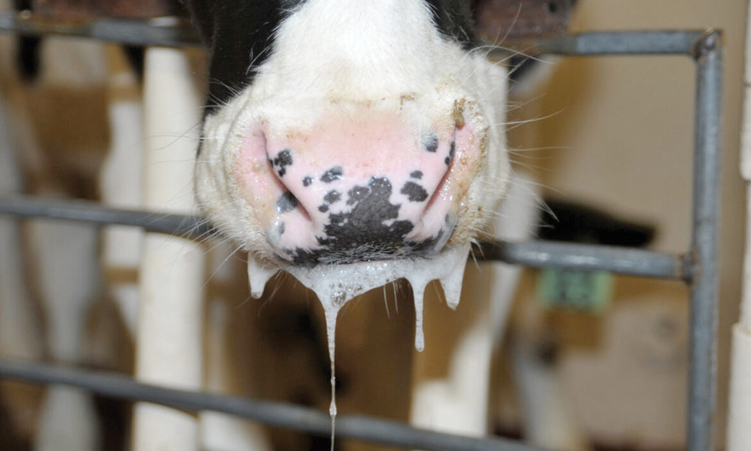
FMD is a highly contagious trans-boundary animal disease with far-reaching consequences for livestock, livestock production and associated industries. Its impact extends to farmers’ livelihoods, national food security and the overall stability of the agricultural sector.
“These developments substantially heighten the regional risk profile and present an immediate and significant threat to Namibia.
“Such an occurrence greatly increases the likelihood of transboundary transmission, particularly through both formal and informal movement of livestock,” Zaamwani says.
The minister says the fencing initiatives and associated land administration operations are unfolding through disease-control buffer zones, border and quarantine measures, procurement and upgrades of fencing, as well as cracking down on illegal fencing in communal areas.
The ministry in May rejected a single quotation of N$179 million from August 26 to erect veterinary cordon fences, questioning both the pricing and procurement method used to solicit the quote.
The ministry then issued a bid via the Central Procurement Board of Namibia for the erection of two veterinary cordon fences, one stretching 155km along the Orange River, and the second covering a 30km stretch between the Klein Manasse and Mata-Mata border posts.
Open bids have closed and evaluation is underway to appoint the winning construction contractor.
“Any introduction of FMD into Namibia would have severe economic ramifications, including the immediate imposition of trade restrictions and long-term disruption to international trade,” Zaamwani says.
Last year, the government established a designated FMD control area in the ||Kharas region, covering a 10km stretch south of the Mata Mata border post to the Orange River, as well as areas north of the river extending westwards to the Atlantic Ocean.