Needs investment to expand
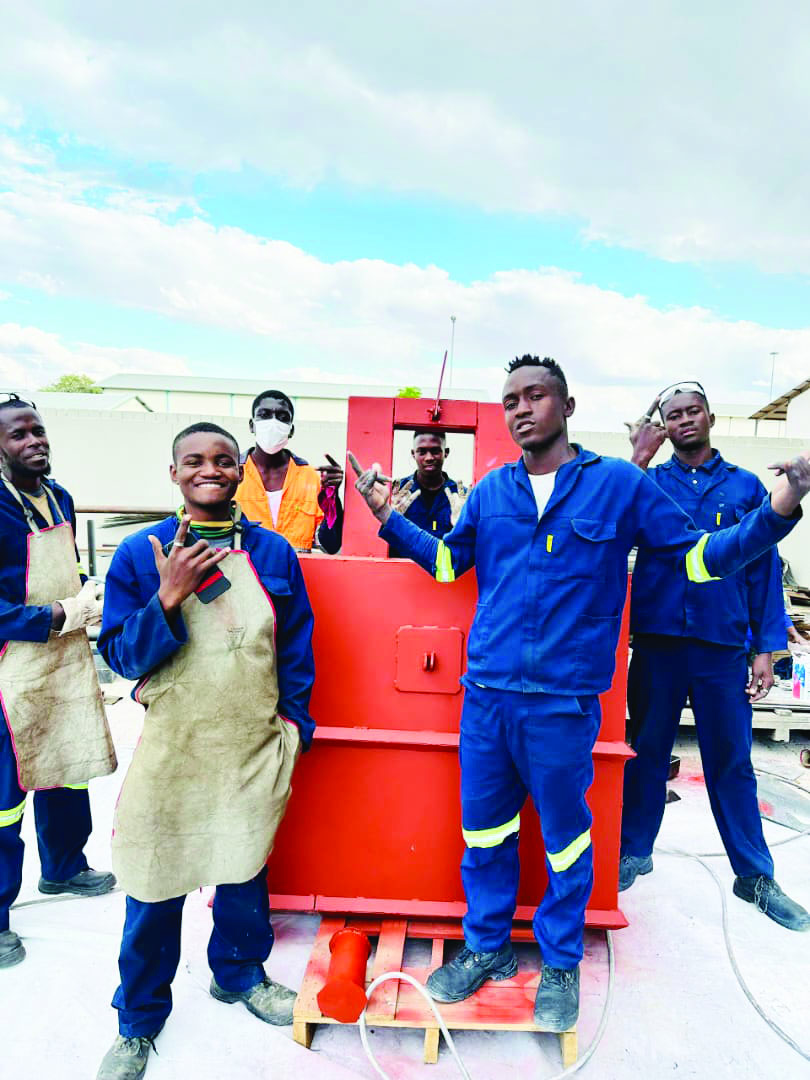
The Gobabis Vocational Training Centre has started manufacturing vehicle loading rails locally, a product that has previously been imported from South Africa.
The move is aimed at boosting Namibia’s manufacturing capacity and reducing reliance on imports.
South Africa (SA) is Namibia’s largest source of imports and a primary destination for Namibian goods, with bilateral trade facilitated by their shared membership in the Southern African Customs Union.
In the first five months of 2026, SA exported N$474.49 billion (US$29.29 billion) worth of goods to Namibia, while Namibia exported N$181.93 billion (US$11.23 billion) to SA.
The initiative forms part of the centre’s expanded production and manufacturing programme, which was strengthened in 2024 to provide trainees with practical workplace experience while producing goods for the local market.
The centre says the vehicle loading rails are designed and manufactured by trainees under the supervision of qualified trainers as part of competency-based vocational training.
“The Gobabis Vocational Training Centre has successfully designed and manufactures this product locally, demonstrating Namibia’s growing manufacturing capability while contributing to import substitution, skills development, local value addition and economic empowerment,” says trainer Gerson Shinedima.
The institution also supplies its products and services to government institutions, local authorities, schools, businesses, farmers and private clients.
Income generated from the sales is reinvested into buying training materials, workshop consumables, equipment and improving learning facilities.
Apart from vehicle loading rails, the centre manufactures livestock handling equipment, trailers, steel structures, metal skips, gates, burglar bars, school uniforms, overalls and leather school shoes.
It also provides vehicle servicing and repairs, air-conditioning and refrigeration services, and office administration support.
The centre has also undertaken community-focused projects, including refurbishing hospital beds for Gobabis District Hospital and manufacturing waste skips for the Gobabis Municipality.
Despite the progress, Shinedima says the centre’s manufacturing ambitions are constrained by limited funding, high raw material costs, inadequate access to modern manufacturing technology and production demand that exceeds its current capacity.
“The centre seeks stronger collaboration with the government, local authorities, industry and development partners, investment in modern machinery and workshop infrastructure, funding for innovation and product development, and procurement policies that support locally manufactured products where appropriate,” he says.