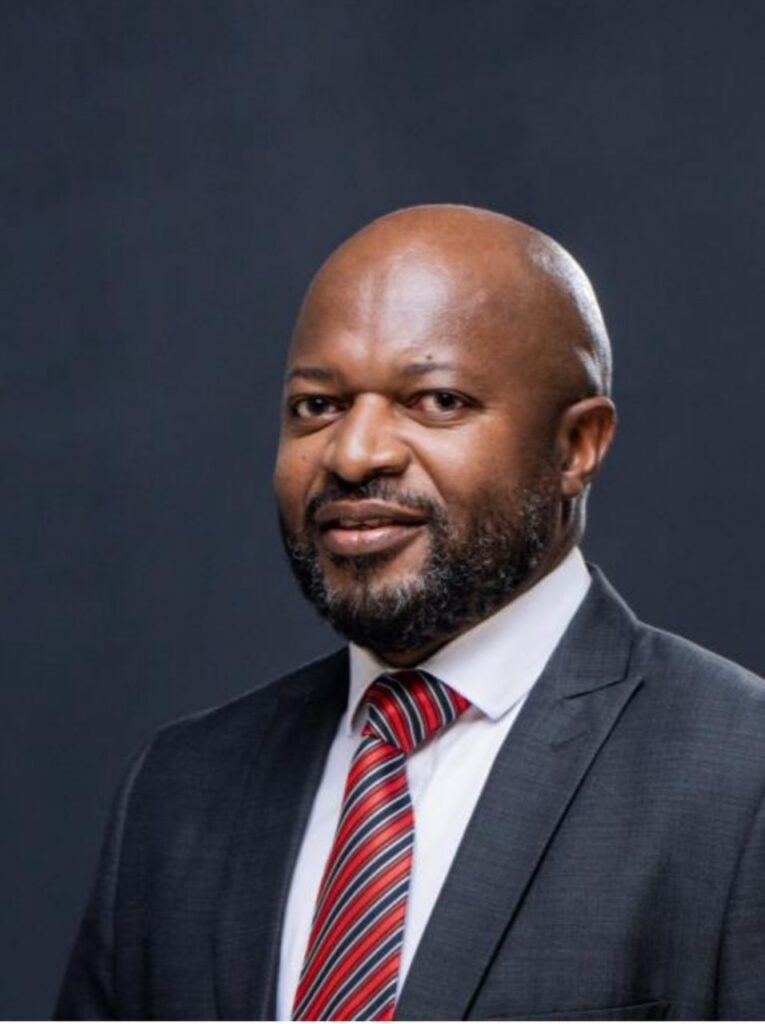
Namibia’s mining industry cannot operate in isolation and must be integrated with agriculture, energy and water planning, new Chamber of Mines chief executive Fabian Shaanika says.
Shaanika has told The Namibian that the country’s “mining-energy-agriculture nexus” will become increasingly important as there is growing overlap across those domains.
“I recognise that mining is critical to Namibia. But I also realise that mining does have a footprint. I remain pro-mining, but I’m very aware [of competing interests] and I think that this nexus can really coexist and be optimised,” he said.
Citing the importance of agriculture in the Sixth National Development Plan, Shaanika says the need for land for agriculture and mining will need to be balanced.
“One has to look at this with a positive lens and ask how we can use Namibia’s rich endowment in natural resources to enable the agricultural sector to thrive,” he says.
Both agriculture and mining have needs that can be supported by developed infrastructure in the country.
Most mines in Namibia are in water-scarce regions and require water. Mines also require significant supplies of energy.
“When we look at energy needs for our country – or energy infrastructure – we must assess how it enables one of the key contributors to the GDP [mining],” Shaanika said.
The same is true for transport and logistics, he adds.
He says long-term conversations need to be had to determine how best to integrate these sectors.
The mining sector as a whole is also undergoing great change, driven by the move towards increasing value addition within countries and changes in global supply chains.
“But again, I see it as an opportunity for the industry in Namibia to further integrate [into global supply chains]. For Namibia as a country, I think we are strategically quite well positioned to make something very positive out of this fragile global geopolitical environment that we find ourselves in,” Shaanika said.
When asked about the global demand for critical raw materials and Namibia’s desire to capitalise on that demand, Shaanika describes the situation Namibia is in as a “blessing”.