TYEYE Village in Kavango West is revolutionising sanitation by building toilets using recycled materials.The village is about 80 kilometres from the regional capital Rundu.
Some of the materials being used are reeds, poles, old plastic sheets and discarded beer crates.
accompanied Unicef officials to the village where residents said that sanitation had become an important issue to them.
Tyeye is one of the communities where Unicef, along with the agriculture and health ministries, is piloting the Community-led Total Sanitation (CLTS) programme, which has been rolled out in the Ohangwena, Kavango East and West regions. The programme encourages communities to stop open defecation and build toilets for residents.
At Tyeye about 10 people are building toilets in the community.
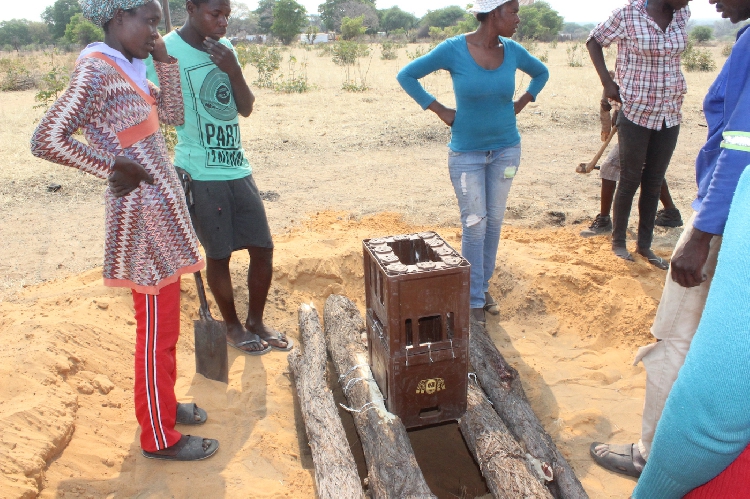
On the day visited, eight people were building a toilet for elderly community member Nsinano Mberekera Lazaruth.
Some members of the group dug a two-metre-deep hole, while others assembled the toilet pot from discarded beer crates.
The crates were put on two poles, and the edges of the hole covered with old tyres.
The crates were secured onto the poles, and the seat placed on top of the poles.
“At first it was not easy to convince people to let us build toilets for them. For some it was welcome, but with others we still needed to explain why we are doing this,” said group leader Matamu Joseph (42).
According to Unicef, more than 52% of Namibian households do not have access to proper toilets or other sanitary facilities.
The situation is especially worrisome in rural areas, where 74% of households lack any toilet facilities.
Joseph, however, said the Tyeye group builds five to six toilets per week since starting in August this year.
He said so far they have built toilets for 22 households, leaving only four households without toilets.
In cases where a household consists of many people, Joseph said they build two toilets. One of the volunteers, Mberema Engelberth (26), an unemployed, single parent of one, said it was important to spread the message that open defecation was not acceptable with other members of her community in order to have behavioural change.
“At first, I did not see anything wrong with going to the field to help myself,” she said, adding that since learning of the disadvantages of open defecation she wants her child to grow up in a clean and healthy environment.
When asked if he was happy about the toilet being built for him, Nsinano Mberekera Lazaruth only said: “What is the use? I will die soon anyway. I don’t know if I will use it for long.”
In an age of information overload, Sunrise is The Namibian’s morning briefing, delivered at 6h00 from Monday to Friday. It offers a curated rundown of the most important stories from the past 24 hours – occasionally with a light, witty touch. It’s an essential way to stay informed. Subscribe and join our newsletter community.

The Namibian uses AI tools to assist with improved quality, accuracy and efficiency, while maintaining editorial oversight and journalistic integrity.
Stay informed with The Namibian – your source for credible journalism. Get in-depth reporting and opinions for
only N$85 a month. Invest in journalism, invest in democracy –
Subscribe Now!