






Namibia is producing thousands of graduates every year, yet many young people continue struggling to secure meaningful employment after completing their studies.
Universities are successfully equipping students with academic qualifications, but the transition from education to employment remains one of the country’s biggest challenges.
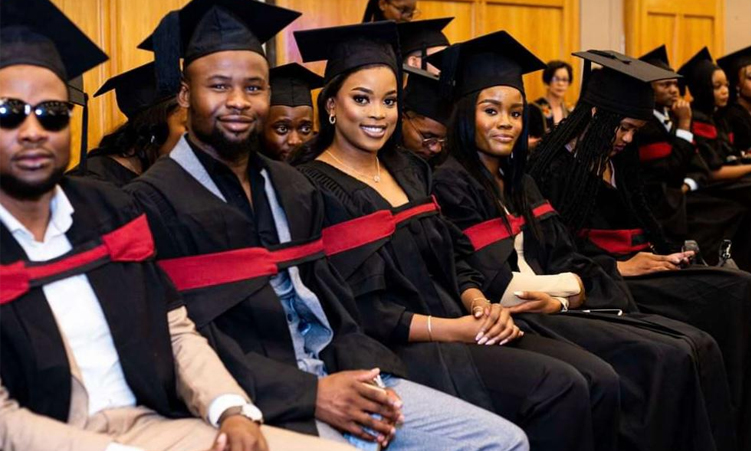
This month, the Namibia University of Science and Technology (Nust) awarded qualifications to nearly 3 000 graduates, while the University of Namibia (Unam) produced over 4 300 graduates during its April graduation ceremonies.
Within weeks, more than 7 000 young professionals entered a labour market already burdened by limited employment opportunities. As an honours graduate from Unam in 2019, I personally understand how difficult it is to transition from university into the working world.
Like many young Namibians, I was qualified on paper but lacked the practical experience employers demanded.
The frustrating part is that many companies require experience for entry-level positions while offering very limited internship or graduate training opportunities.
This issue extends beyond Namibia, but we can still learn valuable lessons from our neighbours. In recent years, South Africa has encouraged stronger collaboration between government, private investors, and educational institutions to support graduate internships and technical skills development.
Namibia also possesses significant economic potential. The country’s oil and gas discoveries, green hydrogen ambitions, mining sector, and growing digital economy could become major drivers of employment.
Yet many qualified graduates remain unemployed because economic expansion has not translated into sufficient job creation.
Namibia urgently needs a coordinated national strategy focused on graduate employment and skills development. The government and private investors must work together to create structured internship programmes across both public and private sectors.
Small and medium enterprises can also play a critical role.
Namibia cannot afford a future where educated young people remain excluded from economic participation.
When graduates spend years without opportunities, confidence in the education system weakens, and many skilled individuals begin seeking opportunities abroad.
The country has a generation of talented and motivated graduates eager to contribute.
What they require is access to opportunities, mentorship, and meaningful investment.
– Marcell van Wyk