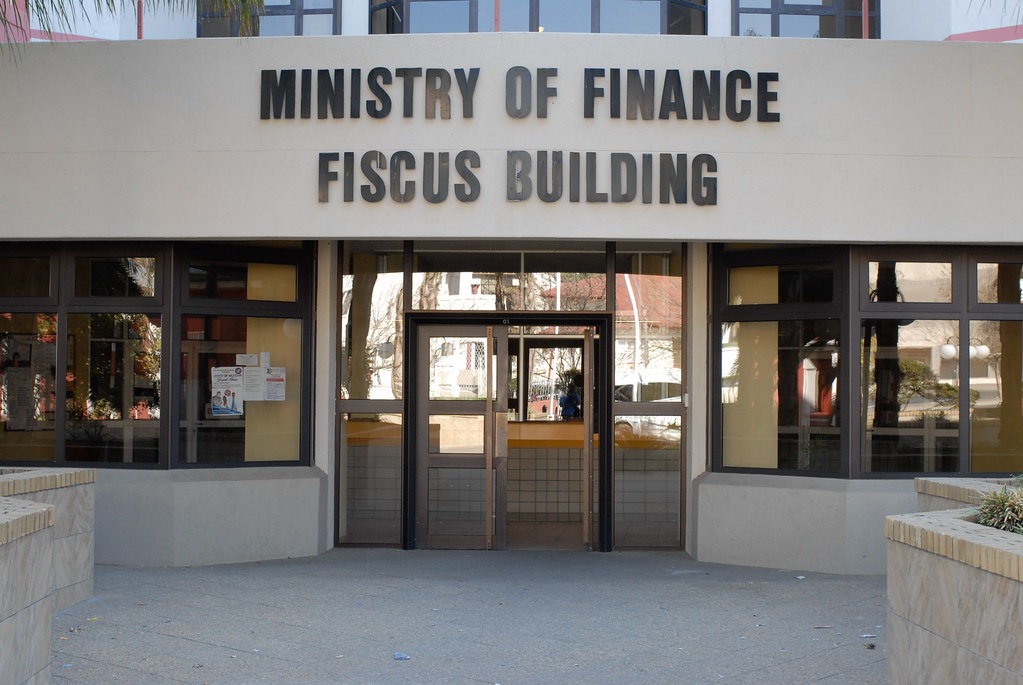
The Namibian government increased its borrowing from local banks by N$20.4 billion over the past year, pushing its total debt exposure to the domestic banking system to N$52.4 billion in April and raising concerns about future inflationary pressures.
According to Simonis Storm economist Almandro Jansen, government borrowing from the banking sector surged by 63.6% compared to a year earlier, making it the biggest driver of money supply growth in the economy.
The sharp increase means more money has been injected into the financial system through government spending, helping boost liquidity in the economy but also increasing the risk of inflation if the trend continues.
“We reiterate our observation from the March publication that fiscal-driven monetary expansion of this magnitude has historically preceded inflation pressures in small open economies with fixed exchange rate arrangements,” Jansen says.
“The fact that Namibian inflation has now accelerated to 3.1% from 2.1% in a single month suggests that this risk is beginning to materialise, although we attribute the April inflation spike primarily to the transport component rather than to fiscal-monetary transmission.”
Although government borrowing declined by N$2 billion from the March financial year-end peak of N$54.4 billion, Jansen says the reduction was largely due to the receipt of Southern African Customs Union (Sacu) revenue and the normalisation of government spending at the start of the new financial year.
“The monthly contraction from the March peak is consistent with the government’s receipt of Sacu revenue and the normalisation of fiscal expenditure flows into the new financial year,” he says.