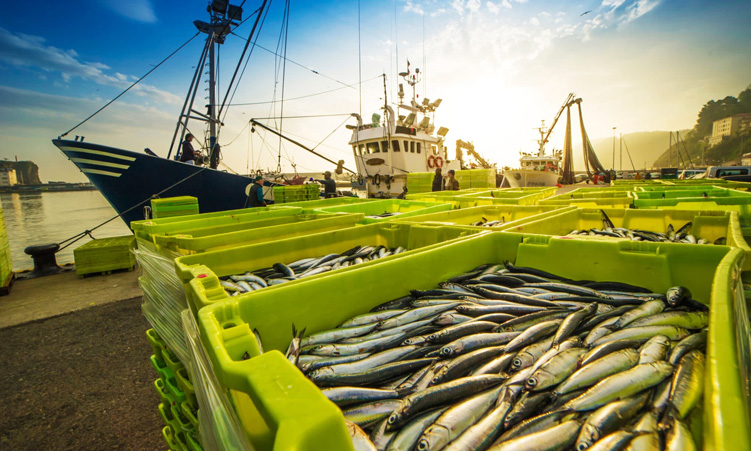
The fishing industry has warned that the government’s proposal to increase the bycatch levy from 15% to 50% could threaten the viability of companies.
The industry says this would ultimately lead to job losses and force vessels to stop operating.
Bycatch refers to fish or other marine species caught in an attempt to catch other species.
The warning follows the Ministry of Agriculture, Fisheries, Water and Land Reform’s request for approval to introduce tougher measures aimed at tightening control over fishing activities and protecting marine resources.
Namibian Hake Association chairperson Matti Amukwa says the industry fears the proposed measures would have financial and operational consequences.
“The consequences would be immediate and severe: tied‑up vessels, job losses, and the collapse of operations that have supported coastal communities for decades. Members anticipate multimillion‑dollar write‑offs on almost every trip, extended periods of vessel inactivity, and the potential collapse of the sector,” Amukwa says.
He says a combination of a 50% levy, stricter bycatch thresholds and the proposed forfeiture of excess bycatch would be punitive rather than corrective.
He adds that the proposal was not meaningfully discussed with the industry before it reached the Cabinet.
“We respectfully urge the ministry to reassess the proposed measures, pause implementation, and engage directly and openly with industry to develop practical, science-driven solutions that support both sustainability and operational viability.”
In May, the fisheries ministry told The Namibian that the bycatch trends may suggest that target species are becoming scarce or that bycatch species are being landed for their economic value.
In a letter dated 12 June addressed to finance minister Ericah Shafudah, minister Inge Zaamwani says the current system is not strong enough to control rising bycatch levels in the fishing sector.
“Recent statistics show that right holders are landing excessive bycatches alongside their main target species. This is an alarming situation in light of the sustainability of fishery resources,” Zaamwani says.
The minister says analysis of bycatch trends between 1997 and 2025 shows a sharp increase in several fisheries, including pilchard and total allowable catch-regulated species. Pilchard bycatch has increased from 608 tonnes in 2020 to more than 11 000 tonnes in both 2024 and 2025.
The ministry says the findings suggest that bycatch is increasingly being targeted for its economic value, which is putting pressure on fish stocks.
Over the years the ministry has been saying the existing penalties are not achieving the intended effect.
“The implication of the percentage threshold is that a right holder whose bycatches exceed its respective percentage threshold would forfeit such bycatches at no cost to the government,” Zaamwani says.
In addition to the proposed levy increase, the ministry is also proposing species-specific bycatch thresholds. Operators who exceed these limits may lose their catch through forfeiture under the Marine Resources Act.
Zaamwani further proposes the introduction of an annual public list of bycatch violators to improve compliance in the sector.
The Marine Resources Advisory Council met on 13 April and endorsed the proposed increase from 15% to 50%.
The letter only requests approval from the minister of finance and does not indicate whether the increase has been approved or when it would take effect.
The proposal is made under section 44 of the Marine Resources Act 2000, which allows the minister, after consultation and approval from the finance minister, to set fees for marine resource harvesting.
The document also notes that monitoring systems are already in place, including fisheries observers at sea, inspectors at landing sites, vessel logbooks and monthly catch reports. However, it said these measures have not stopped rising bycatch levels.
The Cabinet has already approved stricter measures aimed at reducing bycatch in the fishing sector, according to the document.
In earlier reporting by The Namibian, ministry data showed that hake bycatch in the horse mackerel fishery increased from 3 203 tonnes in 2020 to 17 500 tonnes in 2025. Mackerel bycatch also rose over the same period.
At the time, the ministry said the 15% levy on landed bycatch and other penalties were not stopping repeat offenders, with some companies repeatedly linked to high volumes of bycatch.
It said the increases could point to declining fish stocks or the targeting of bycatch species for commercial gain.
The Ministry of Finance had not responded to questions by the time of publication.