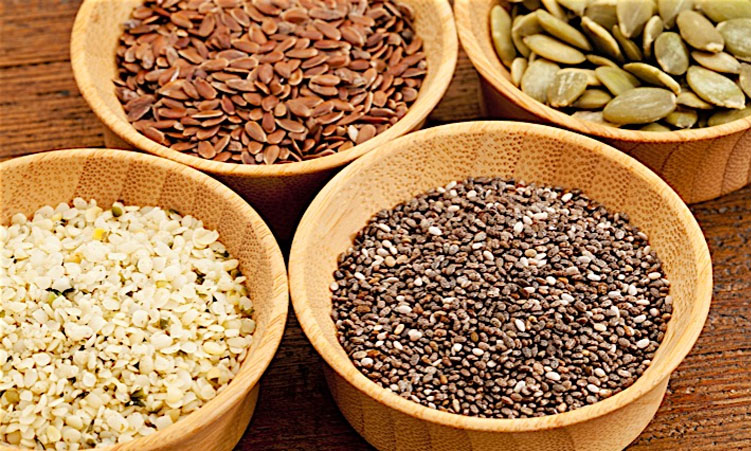
Only traditional seeds will be accepted at community seed banks to help preserve Namibia’s indigenous crops and plants for future generations.
This is according to the chief forester Mubita Chaka at the National Plant Genetic Resources Centre in the Ministry of Environment and Tourism.
Chaka spoke at a meeting at Oponona A village in the Uuvudhiya constituency of the Oshana region last week.
The meeting focused on plans to establish a community seed bank at Eengombe Agricultural Development Centre.
Chaka said indigenous seeds are better suited to local conditions and can withstand challenges such as climate change, floods and veld fires.
He said preserving these seeds will also help protect Namibia’s plant diversity. The seed banks will store both traditional crop seeds and seeds from wild plants.
Chaka said community seed banks will also help farmers exchange seeds.
“The role of community seed banks is to bridge the gap between farmers because sometimes one farmer has got some types of seeds, but the other doesn’t have them,” he said.
Chaka said genetically modified seeds will not be accepted, adding that genetically modified crops require fertile soils and often leave the soil lacking nutrients after harvesting, forcing farmers to use fertilisers.
“Farmers will be trained on how to preserve and to protect traditional seeds properly. Farmers have to make sure that seeds are properly cleaned and they are properly dried before they are stored,” he said.
He added that the community seed bank will be managed by a committee made up of people from villages in the Uuvudhiya constituency, with support from the ministry.
“The emphasis is that we do not want to lose any of our traditional plants. Over the years, we have been keeping the seeds in Windhoek, but we now want to bring this closer to the people. We have about 4 900 traditional seeds stored in Windhoek,” he said.
He said farmers who deposit seeds will have their names and villages recorded, while each seed collection will receive its own registration mark.
Chaka said seed fairs would also be organised once the seed bank is operational, allowing farmers to exchange seed varieties and learn what other farmers are producing.