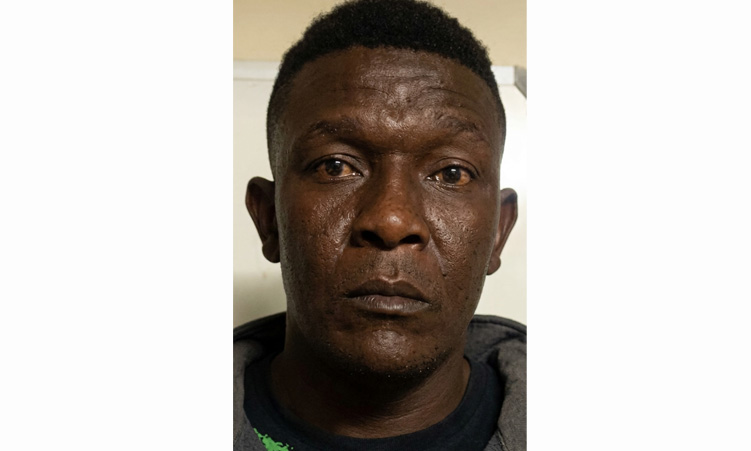






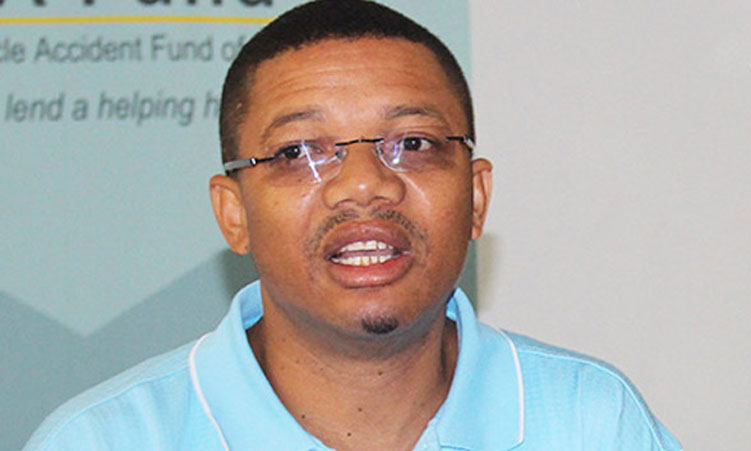
Former Roads Authority (RA) transport executive Sidney Boois says losing his job left him angry with his former employer.
Boois was dismissed in February, along with divisional manager Richard Milinga, following an internal disciplinary hearing into a vehicle procurement tender worth about N$16 million.
Boois says he was frustrated by the circumstances surrounding his dismissal and the allegations made against him.
He says he believes the accusations were unfounded but chose not to publicly attack his former employer while the matter was being handled through the proper channels.
“That anger is there with the employer, which is, in my case, a legitimate anger. I still have a reputation; I still have my character, I still have my life that must continue, meaning there are still opportunities out there.
So I could not pollute the same water in which I still need to swim,” Boois told The Namibian on Tuesday.
He said he trusted the legal and disciplinary processes to take their course.
“You rather leave it now with the process. I needed to trust the process moving forward,” he said.
Boois and Milinga later appealed the guilty findings in February.
Two months later, the Windhoek High Court struck an urgent application by the duo from the roll after they sought to return to their jobs.
In March, RA’s independent lawyer, Willem van Greunen of the Köpplinger Boltman van Greunen law firm, warned RA chief executive Hippy Tjivikua against dismissing the two executives.
Reports show Boois and Milinga were accused of inflating the price of 17 vehicles, intended for law enforcement and road safety operations, for a N$16-million procurement.
However, procurement documents show they had proposed buying the vehicles instead of renting them and that the quoted price included additional equipment and services.
Boois said losing his job affected him emotionally and financially after nearly 30 years of building his career.
“It had a toll on me because of the expectations that one has and how sudden it happened,” he said.
He added that the sudden loss of income had placed him under financial pressure and left him uncertain about how he would support his family.
“You have a salary and then that salary is all of a sudden gone. You have a lifestyle that you have pitched at a certain standard. All those things become a concern. So stress is the first layer, but stress is not supposed to mature, where it becomes harmful, where your sleep disorders come in,” he said.
WORK TRAUMA
Boois is also the founder of the 4×4 Initiative Foundation, a mentorship organisation for men and boys, which focuses on character building, mental health and educational support for vulnerable youth.
He said reading about mental well-being, relying on his Christian faith, applying the principles he teaches as a life coach and receiving support from his family helped him cope.
Boois also spoke about what he described as workplace trauma during the three years leading up to his dismissal.
He said he attended disciplinary meetings and hearings over that period but never received counselling or support through an employee assistance programme.
“Nobody dealt with me at my workplace as part of employee assistance programmes, but you are still here at our workplace.
He recounted testimony given by his former supervisor, who was asked: “At any time during these three years, did you see any sign from Mr Boois where he became careless or where he became reluctant with his work?”
According to Boois, the supervisor replied: “No, he’s still a star performer at work.”
Boois said his experience has motivated him to help employers and employees better understand workplace trauma and employee disengagement.
According to him, organisations should pay more attention to employees who are going through disciplinary processes because they continue to perform their duties while dealing with emotional strain.
The RA yesterday said it could only respond to The Namibian after 24 hours.