






MORE than 368 cases of breast cancer and 246 new cases of cervical cancer have been recorded on the Namibia National Cancer Registry (NNCR) – while all data has not even been cleaned up and processed.
The indication for the 2015 and 2016 statistics on cancers affecting women in Namibia, leads to the conclusion that more women in our country are now diagnosed with these two leading forms of cancer than ever before.
The statistics show that 373 Namibian women were diagnosed with breast cancer in 2014 – while nine men were positively diagnosed as well during the same year for breast cancer. Two hundred and fourty one cases of cervical cancer were reported in 2014.
The reality in Namibia is that on average more than 3 000 Namibians are diagnosed with cancer annually; and with a small population of just over two million, this is indeed shocking!
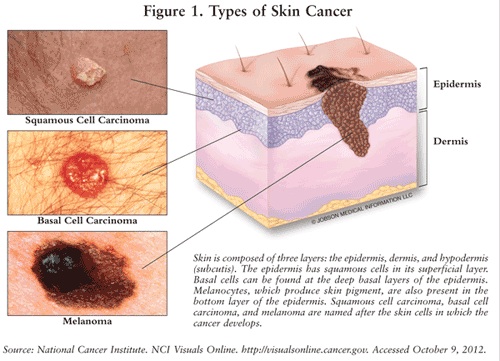
Skin, breast and cervical cancers are the most commonly diagnosed forms of the disease – and evidence shows that cervical cancer is on a very sharp rise. Too many Namibian women die from cancer unnecessarily!
You have to make the necessary lifestyle changes which are in your control, and try to prevent cancer:
• Know the early warning signs of cancer
• Go for screening tests
• Stop smoking. This prevents thousands of new cancer cases every year.
• Limit alcohol consumption.
• Eat five portions of fruit and vegetables daily.
• See your doctor if you have unusual bleeding or discharge.
• Seek help if normal bowel or bladder habits change.
Dietary factors, physical inactivity, being overweight and obesity are estimated to account for approximately 30% of cancers in Western countries. This proportion is thought to be about 20% in developing countries and is projected to increase.
“Energy balance” is defined as a balance between energy intake, in the form of food and drink, and energy output, in the form of physical activity. An imbalance between energy intake and energy expenditure lead to weight gain or loss.
Among the symptoms (but not necessarily only) are:
• Being overweight can lead to cancer later in life
• A lump or thickening in the breast or elsewhere is a bad sign
• Hoarseness or cough
• Indigestion or difficulty in swallowing
• Change in a wart or a mole
• Sudden loss of weight
We urge every individual to take control of factors that can possibly prevent cancer.
Breast cancer is the number one cancer found among women in Namibia. Most women diagnosed with breast cancer are older than 40 years. However, breast cancer can also occur in younger women.
• Family history – in about 10% of breast cancers, the patients are older than 40 and have a family occurrence of cancer
• Early menstruation – before teens
• Late menopause – after the age of 50