



CITY of Windhoek executives are against a proposal by a private company that cheaply bought a N$10 million plot from council in 2016 to sell it on to a state-owned agency – warning that it could set a dangerous precedent.
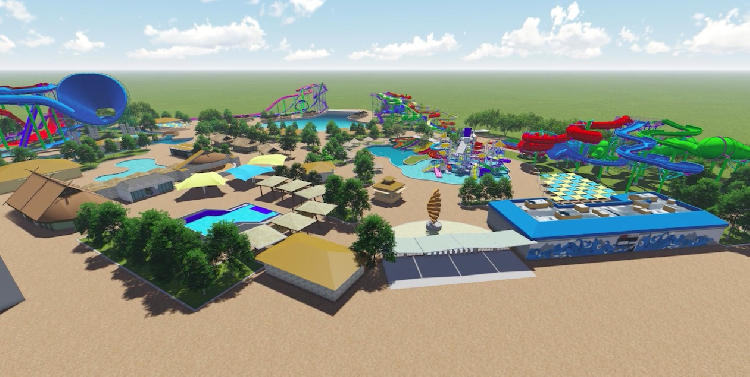
The City of Windhoek sold the land, measuring 10 hectares (roughly 10 football fields), to Street House Entertainment for N$10 million to set up an amusement and recreational park at Rocky Crest Extension 8.
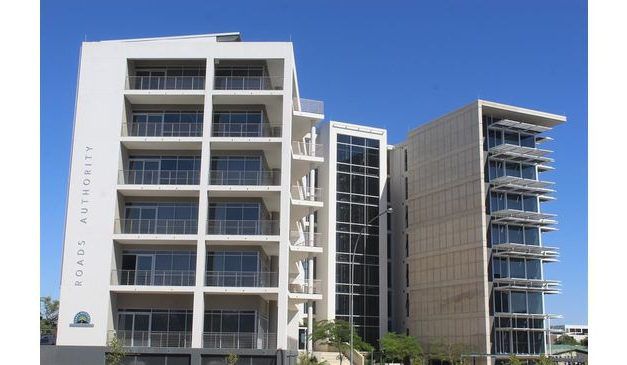
Now, Street House owner Roland Jacobs wants to sell the land to the Road Fund Administration (RFA), who plan to set up a driver testing and licensing centre that would be run by the Roads Authority near Rocky Crest.
However, Jacobs needs permission from the municipality to sell the land, since he bought it to set up a recreational centre, such as a water park.
City executives are worried that Street House Entertainment and its owner changed their goal from the initial plan.
Council documents indicate that the city’s chief engineer said: “the proposal from Street House Entertainment is not acceptable as it is not a special project anymore, and they will take money out of the property bought from council for less than what is market related”.
Jacobs, who ran Street House clothing stores across the country, believes that he needs to recoup what was spent on the project. He also said that the municipality dragged this matter out for over 10 years, and blamed them for their indecisiveness.
Jacobs said the economic environment has now changed from what he envisaged 15 years ago.
The matter was discussed at the city council two weeks ago.
Jacobs declined to comment when approached by The Namibian yesterday.
An April 2022 document showed council was set to reject the application by Street House Entertainment to sell the land for the Natis project.
City of Windhoek spokesperson Harold Akwenye said that the rejection was not adopted at the last council meeting because councillors wanted more of an explanation, before making a final decision.
Documents published by the municipality provide an overview of how this project has transitioned from a recreational centre to housing, and now a driving school centre.
SPECIAL PROJECT
Documents show that Street House proposed an amusement and recreational park project in 2006, which was provisionally approved in 2012, by the Windhoek City Council.
Street House claimed that the project would cost over N$415 million, which includes land costs (N$10 million), town planning, environmental assessment (N$2,5 million), bulk services (N$15 million) and a recreational park which would cost around N$400 million.
The deeds of transfer and sale agreement were subsequently signed in 2013 and 2016 under the “special projects policy” of council. However, the agreements included conditions that prohibited Street House from selling the land to a third party without the consent of the city council.
Another clause allowed the city to punish Street House with a payment of 20% if it attempted to sell the land without erecting buildings on it.
Council documents indicate that Street House Entertainment complied with the town planning requirement of having the land subdivided but failed to install bulk services as agreed.
In 2019, four years after signing the land deal, Street House approached the city council to ask the municipality to revise their development plan to recreational (50%) and residential (50%)
The company blamed the recession of the Namibian economy and the drought.
Street House proposed a plan to include new targets, such as keeping the recreational park (turning the water park to a dry park) and building houses at Rocky Crest.
“The idea is to create 223 stands with an average of 150 square metres, and to construct two bedroom free-standing units averaging 57 square metres,” the presentation said.
ABOUT-TURN
The housing plan was approved by the then environment commissioner, Theo Nghitila, however, Street House again made another u-turn.
Street House, through their lawyer André Swanepoel from Dr Weder, Kauta and Hoveka, wrote to the City of Windhoek in October 2020, asking the municipality to relax several clauses of the land agreement.
In that letter, Street House blamed the economic downturn, Covid-19 and a N$24 million bond taken out with Bank Windhoek by Street House, among others.
The lawyers said Street House was looking at investors to take over the project.
The city council offered Street House an opportunity to present their case in October 2020. Minutes from that meeting show that councillors were worried that the city would get a raw deal.
One of the officials who were against relaxing the rules was the then economic executive Fillemon Hambuda.