





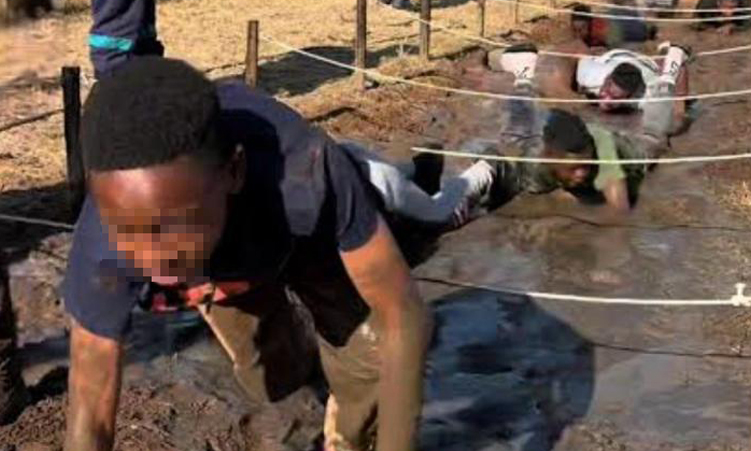
The National Organisation of Parents in Education has warned parents to do thorough background checks on youth boot camp businesses that are on the rise without regulation from the government.
A number of private individuals have been calling on parents to sign their children up for youth boot camps to assist in disciplining them.
“If your child is disrespectful, lazy, talks back, sleeps out, is suspended from school or drops out . . . smokes hubbly, choef or does anything not expected of a child, let’s help in restoring their minds,” reads one advert.
The camps cost between N$1 500 and N$2 500 for one to two weeks.
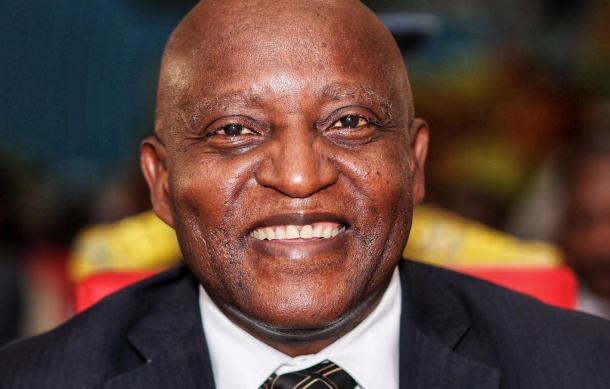
National Organisation of Parents in Education president Paulus Hawanga says they do not discourage such camps; however, the lack of regulation from the government is worrisome.
This comes after the Ministry of Gender Equality and Child Welfare said it is not regulating the camps as they are private entities “seeking to assist children with behavioural challenges and positive paths”.
Director for programmes and quality assurance at the ministry of education, Ayesha Wentworth, says the ministry does not have a mandate over discipline camps.
Hawanga yesterday told The Namibian that although the camps are private, the ministry should establish structures to monitor them.
“The ministry is mandated to protect the well-being of children, and not regulating these camps means they are failing children,” Hawanga said.
“They should have an established structure in the regions through the regional councillors, local authorities or traditional authorities that ensure the protection and care of children,” he said.
He urged parents to be responsible and mindful of their children’s social and psychological well-being when signing up for boot camps.
“We must be extra careful,” Hawanga said, adding that children from various backgrounds can negatively influence each.
Gender ministry spokesperson Lukas Haufiku told The Namibian that they do not recommend specific discipline camps, but encourage parents to ensure any interventions involving children prioritise their dignity, safety and well-being.
He says the ministry’s social workers provide psychosocial support services, family strengthening interventions, counselling and referrals where necessary.
“The ministry is committed to the protection of children’s rights and well-being,” he says.
Despite the lack of regulation, parents, like Lorna Doeseb from Swakopmund, say sending their children to youth camps ensures they experience a life outside their comfort zone.
Doeseb says she sent her son to a seven-day camp to experience life away from home.
“We are preparing him for university. We thought he had limited exposure as he only lived in school and home settings,” she says.
Since returning from the camp, Doeseb says her son has become more responsible.
“He does things by himself now, he doesn’t wait for me to do them for him and he can identify things that men can do in the house.
I see a lot of changes, and he has opened up as well,” she says.
She believes other parents could benefit from such a camp.
Another parent, Uiue Kapere, says her son’s attitude improved significantly.
“I don’t have to repeat myself anymore. He understands he is wrong, and he should not talk back to his mother,” she says.
Windhoek parent Esme Uritura says her son stopped stealing after spending nine days at the camp, although some behavioural problems remain.
INSIDE THE CAMPS
Change Discipline Camps in Namibia founder Juanita Gouws says her camp has hosted a number of children across the country.
“We constantly give feedback to parents about their children’s behaviour,” she says.
Rest Samuel of the Disciplinary Boot Camp says he was inspired by observing an increase in poor behavioural patterns among pupils, and by how stricter limits on corporal punishment leave teachers uncertain about how to handle discipline during his days as a teacher.
“We discipline, not punish, them. The camp targets children struggling with poor academic performance, aggression, substance abuse, bad company, phone addiction and lack of direction,” he says.
Children wake up early for physical exercise, counselling sessions, teamwork activities, cooking, cleaning, field work and leadership training to teach responsibility and self-discipline, guided by counsellors, life-skills teachers, security personnel and instructors with military backgrounds.
“We’ve seen children arrive angry and emotionally shut down, and leave calmer, respectful and motivated,” Samuel says.
Divaldo Lourenço describes his experience at a boot camp as transformational.
He says the camp’s campfire discussions around mental health, accountability and life-skills training changed him.
“I am now a man of values and quality, although there is still more room to learn,” he says.