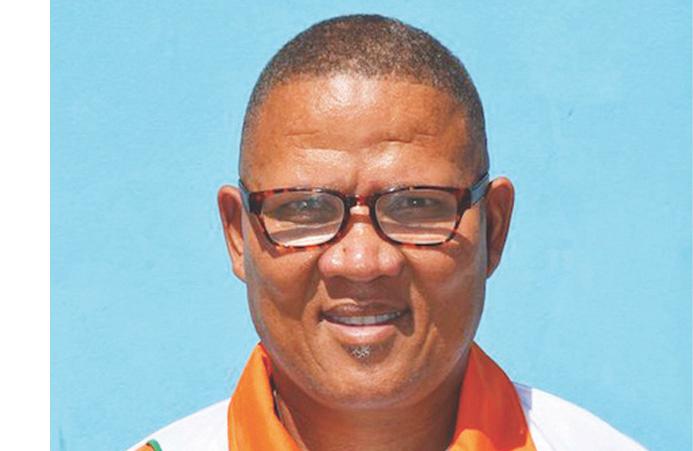



I MET August Johannes Mungunda in the early eighties through my father-in-law’s half-brother Ou Leo Nete at Mariental. They were neighbours and, as both of them were staunch supporters of Swapo, they preferred to spend long periods of time together. Ou Leo Nete predeceased him many years ago.
Whenever I visited my newly found family at Mariental, I linked up with them and we would spend some time together. These gatherings later became a habit and usually ended up in political discussions spearheaded by August Mungunda.It was during one of these interactions that August Mungunda asked me: ‘Berries, you are a journalist. So, tell me what I could do or say to have the living conditions of the people of Hardap in general and Mariental in particular improved’. At the time I was employed by Die Republikein and suggested that as a headmaster of the biggest black school at Mariental and community leader, he could make statements in the media to attract the attention of the authorities. But I also warned him that I could not guarantee that his statements would find space in the newspaper that I was working for, as it was a hostile paper to the struggle as it was known to him. The Namibian newspaper might be a better option, I advised. Surprisingly, Die Republikein under the editorship of veteran journalist Des Erasmus published the reports and even encouraged me to write more about social issues challenging the nation. The rest is history. August Mungunda would issue media releases and I would see to it that they were accommodated in the paper. The removal of the bucket system in the then Toevlugsoord township was a direct consequence of the statements he made in the media. One day he called me in Windhoek and said the Mariental municipality was busy with excavations to change over to a proper sewerage system for the township and our reporting might have contributed to it.However, he said, ‘I think the Security Branch is watching my movements very closely as one of their secret cars just drove past my school for the umpteenth time.’ August Mungunda became extremely unpopular with the apartheid regime due to his public pronouncements. Fortunately his academic achievements remained relevant to, and needed by, the education sector.August Mungunda was a fearless man. He was a man of high intellect. A brilliant person, who could not absorb the suffering of his people. This situation, in his own words, was aggravated by the fact that he had to deal with hungry and starving children on a daily basis in his life as an educator. He was a dedicated teacher who, against all odds, equipped himself with a degree to serve his people diligently. That in itself was a remarkable achievement indeed for a black man during the apartheid era.There were three things August Mungunda did not like. He did not like people to be dependent on hitch-hiking, to live permanently in other people’s houses and to budget with money that was in other people’s pockets.August Mungunda will be laid to rest from his home at Keetmanshoop tomorrow. His legacy will continue to inspire those of us whose roads crossed with him during his lifetime. August Mungunda was a true martyr of hope. May his soul rest in eternal peace.
In an age of information overload, Sunrise is The Namibian’s morning briefing, delivered at 6h00 from Monday to Friday. It offers a curated rundown of the most important stories from the past 24 hours – occasionally with a light, witty touch. It’s an essential way to stay informed. Subscribe and join our newsletter community.

The Namibian uses AI tools to assist with improved quality, accuracy and efficiency, while maintaining editorial oversight and journalistic integrity.
Stay informed with The Namibian – your source for credible journalism. Get in-depth reporting and opinions for
only N$85 a month. Invest in journalism, invest in democracy –
Subscribe Now!