



Witvlei farmers say they have been excluded from government resettlement programmes for decades, raising concerns over fairness, transparency, and political favouritism in land distribution.
A farmer and spokesperson for the Witvlei farming community in the Omaheke region, Stanley Gomxob, says not a single resident from the area has benefited from any land redistribution scheme over the past 30 years, despite repeated promises from regional leadership.
“Witvlei has been sidelined for far too long, and we feel we are not being treated as equal citizens,” he says.
Gomxob is also a qualified veterinarian.
He says the community’s frustration has reached boiling point, especially after government farms were reportedly bought in nearby areas with none allocated to Witvlei residents.
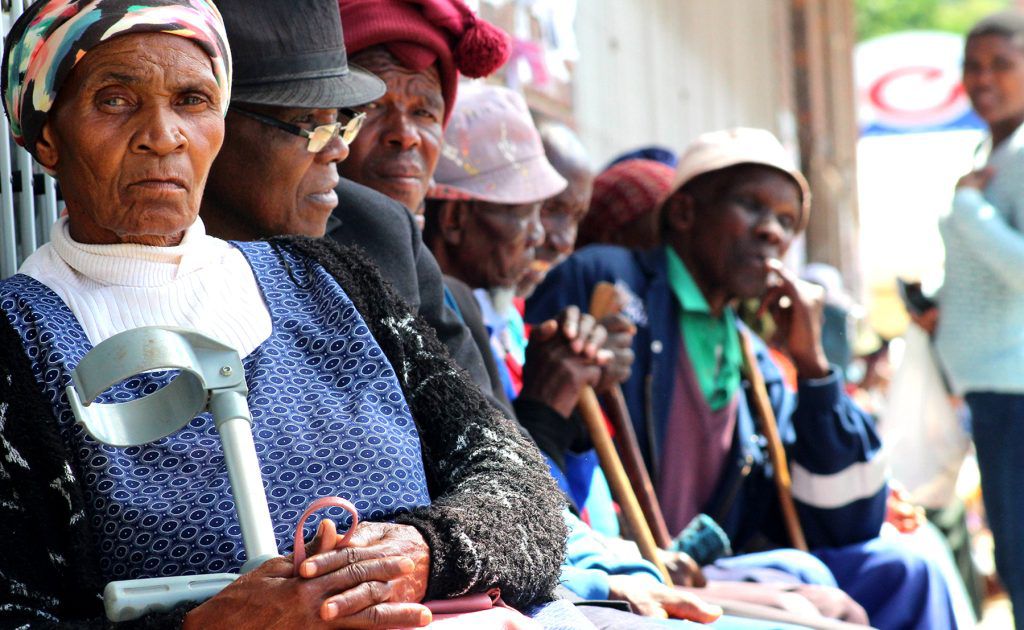
“There are people from other regions being resettled just a few kilometres outside Witvlei, while our elders, pensioners and struggling farmers continue to fight over a single camp of just 500 hectares shared by over 15 households,” the spokesperson says.
He says much of the available land at Witvlei has become unproductive due to overuse and degradation, and many residents have incurred massive water debts.
Some pensioners reportedly owe the local council over N$100 000, which sources water from NamWater.
“How can elders farm productively under such pressure? We are asking for land from the state, not from private owners,” he says.
Gomxob further raises concerns over a pattern of exclusion, questioning why land continues to be distributed to individuals in areas that already have sufficient communal land, while landless communities like that of Witvlei remain neglected.
According to Gideon Hoebeb, another farmer at Witvlei, the community’s struggle for resettlement dates back to 2012 when he first moved to the area.
He says the matter was initially taken up with the late constituency councillor, but resulted in “many promises and ugly words”.
“We later engaged the new constituency councillor on numerous occasions, but it was also empty promises,” Hoebeb says.
Landless People’s Movement (LPM) human rights desk leader Joyce Muzengua says landlessness is intrinsically linked to issues of dignity, which in turn exacerbate foundational socio-economic challenges.
She says the process of land redistribution in Namibia has been slow and lacks genuine intent to transform people’s lives.
“Marginalised populations remain landless and food insecure.
Land reforms should be leveraged as a means of poverty alleviation, but the prevailing system appears to benefit the affluent, who maintain privileged access to land resources.
“Our economy also suffers from a lack of social entrepreneurship, which is essential for equitable development. The neoliberal regulatory framework only widens socio-economic disparities,” Muzengua says.
She says the success rate among resettled farmers is low, with the majority of land going to individuals with political connections who often have no historical claims to land dispossession.
“This allocation strategy has contributed little to agricultural productivity and rural development,” she says.
‘ELITE-DRIVEN’
Political analyst Ndumba Kamwanyah says the resettlement programme has largely failed to meet its core objectives.
“While the idea was good and needed to correct historical injustices and improve livelihoods, in practice it has been elite-driven.
“Beneficiary selection lacks transparency, often favouring politically connected individuals over the truly landless or poor.
Many resettled farmers struggle due to lack of post-settlement support, no training, limited infrastructure, and poor access to credit or markets,” he says.
Kamwanyah says this has led to low productivity on many resettled farms, meaning food security and economic empowerment goals remain unmet.
“Inequality is still deeply entrenched. In short, the programme’s implementation has fallen short of its promise,” he says.
The Namibian reached out to the Ministry of Agriculture, Fisheries, Water and Land Reform, but did not receive a response by the time of going to print yesterday.