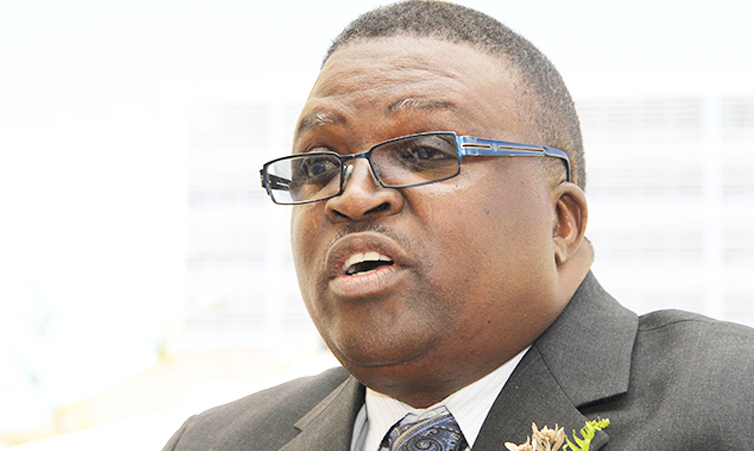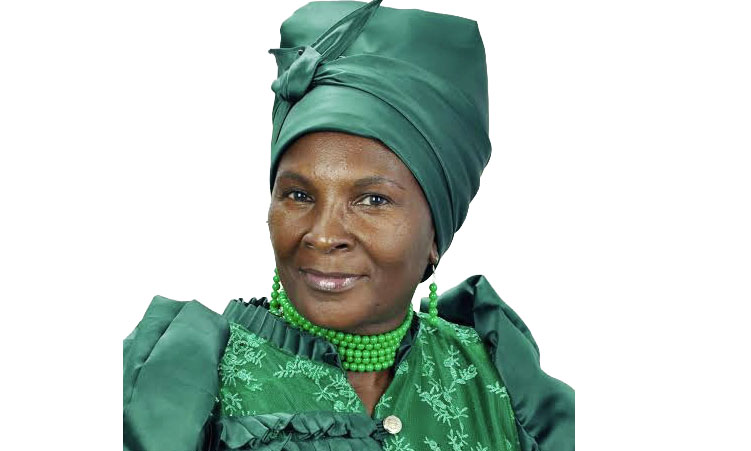
City of Windhoek councillor Fransina Kahungu says salaries should be paid in two instalments each month to help people manage their finances.
Kahungu, who also serves as secretary of the Swapo Party Women’s Council, says the proposal could encourage better financial planning, as many people overspend soon after receiving their salaries.
Speaking to The Namibian, she says being paid twice a month could help prevent people from running out of money before their next pay day. She adds that she plans to submit the proposal to parliament for consideration.
“You can only live within your means if you don’t have a long waiting period. Banks are even tired of us asking for overdrafts,” she says.
Kahungu says many people end up borrowing money from others instead of enjoying their salaries.
She gives an example of small businesses that sell and earn money on a daily basis, saying that process encourages them to keep going back to the market.
“We really need to beg the government and private companies to split our salaries. A lot of us are suffering.
“Getting paid two times will prevent it from finishing fast. The circulation of money will make us happy,” Kahungu says.
She encourages people to sign up for funeral cover and to start saving money to avoid seeking help from others who are already struggling.
“We must buy cars and houses we can afford because the moment you have a big house, you attract relatives which means more water and electricity bills to pay,” Kahungu says.
Consumer analyst Salomo Iipinge says splitting salaries would reduce demand for consumer loans because people would no longer have to wait as long between paydays, which he believes pushes consumers to cash loans.
He says credit lending would also be reduced because lenders would be unable to lend more than consumers could afford to repay.
“It is a good idea … It depends on consumer behaviour patterns, but I don’t think dividing it is the ultimate solution,” he says.
Economist Lamek Odada urges financial literacy so people can learn how to budget and live within their means instead of splitting salaries.
“Salaries are taxed and they may be taxed twice. Whether you divide it, these people have needs. What about the commitment they made to pay their bills,” he says.
He says it could also have implications on employers as they will be charged every time they send out money.
He adds that banks will benefit because they may have to charge twice depending on how much they get.
“Employers will not accept. Will they want to double pay social security, pension funds and medical aid. It complicates everything,” he says.